
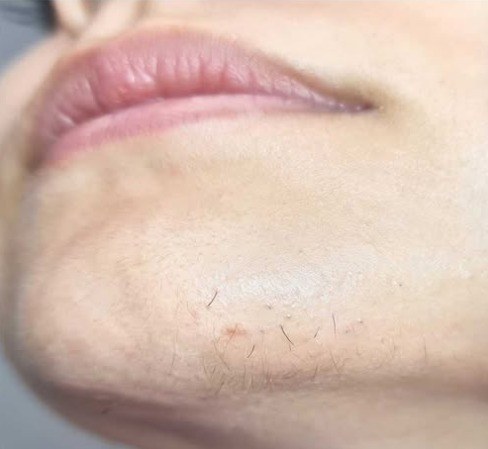
For many women, noticing a chin hair—or a few—can be surprising and sometimes unsettling. From fine, barely visible strands to darker, coarser hairs, facial hair carries social stigma, even though it’s far more common than many realize. While usually harmless, chin hair can occasionally signal hormonal or medical issues worth attention.
Hormones are often the main culprit. Androgens, a group of hormones including testosterone, naturally exist in women in smaller amounts than men. When these levels rise or the body becomes more sensitive to them, hair growth on the chin, jawline, or upper lip can become noticeable.
Life events can trigger hormonal shifts. Menopause, for example, often increases facial hair while thinning scalp hair. Polycystic ovary syndrome (PCOS), one of the most common hormonal conditions in women, can lead to excess hair growth, irregular periods, acne, or weight gain. Other conditions like adrenal gland disorders, Cushing’s syndrome, and thyroid issues may also present with facial hair as an early warning sign. Sudden or pronounced chin hair should prompt a medical check-up.
Genetics also play a key role. Family traits and ethnicity influence how much facial hair women grow. For some, a few chin hairs are simply natural and harmless.
Medications and lifestyle factors matter too. Steroids, hormone treatments, or certain drugs for conditions like epilepsy can increase hair growth. Stress, weight fluctuations, and nutrition also affect hormone levels, potentially contributing to more noticeable chin hair.
Emotionally, chin hair can have a real impact. Beauty standards idealize smooth skin, and even a single whisker can trigger self-consciousness or anxiety. Many women seek removal not because of health concerns, but to meet societal expectations.
Read Part 2