
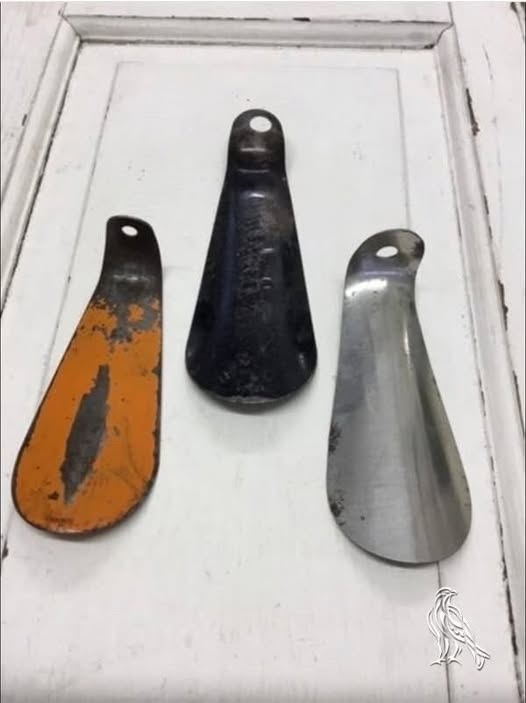
The Shoe Horn Remains a Practical Everyday Tool With Centuries of History
It may appear simple at first glance, but the shoe horn has remained useful for generations because it solves a common problem in a direct and practical way. This small everyday tool helps the foot slide into a shoe smoothly while protecting the back of the footwear from being bent, crushed, or worn down too quickly.
Although modern footwear accessories are now widely available, the shoe horn has a much older history. For centuries, it has served one main purpose: making it easier to put on shoes without damaging them.
The tool is not complicated, but its usefulness has allowed it to remain relevant through many changes in footwear, materials, and household habits. From early versions made of natural materials to later examples crafted from metal, plastic, silver, and other durable substances, the shoe horn has continued to provide the same basic benefit.
A Simple Tool With a Long History
The history of shoe horns can be traced back as far as the 15th century. Long before shoes became as flexible or comfortable as many are today, people used shoe horns to guide the foot into footwear more easily.
Early shoe horns were often made from materials that were available and practical. Animal horn, bone, and wood were among the common choices.
These materials were useful because they were strong enough to withstand repeated use and smooth enough to help the foot move into the shoe without catching. Their natural shape and texture made them suitable for a tool designed to protect both the shoe and the wearer’s comfort.
At a time when footwear could be stiff, narrow, or difficult to put on, the shoe horn offered a simple solution. It helped reduce strain on the back of the shoe and allowed the wearer to avoid forcing the foot into place.
This made the tool valuable in everyday life. Even though it was small, it helped preserve shoes and made dressing easier.
Why Early Shoe Horns Were Useful
Shoes in earlier centuries were not always designed with the same level of flexibility found in many modern styles. Some were rigid, narrow, or shaped in ways that made them difficult to put on without assistance.
For people wearing shoes that were stiff or expensive to replace, protecting the structure of the footwear mattered. A damaged heel could reduce the comfort, appearance, and life of the shoe.
The shoe horn helped prevent this damage by creating a smooth surface between the heel and the back of the shoe. Instead of pressing the heel directly against the shoe’s back edge, the foot could slide down the curved tool.
This reduced the chance of bending or folding the heel counter. It also helped the shoe keep its shape over time.
In that way, the shoe horn was both a comfort tool and a preservation tool. It made the process of putting on shoes easier while helping the shoes last longer.
Materials Used in the Earliest Designs
The earliest shoe horns were often made from animal horn, bone, or wood. These materials were accessible and well suited to the job.
Animal horn was especially practical because it could be shaped into a smooth, curved form. That curve allowed the tool to guide the foot naturally into the shoe.
Bone could also provide strength and smoothness. When properly shaped, it offered a firm surface that could withstand repeated pressure.
Wood was another useful option. It was available, workable, and could be carved into the needed shape.
Each of these materials served the same function. They helped the foot enter the shoe while protecting the back of the footwear.
The choice of material often depended on what was available and how refined the finished item needed to be. Some early examples may have been very plain, while others could have been shaped with greater care.
A Practical Answer to Stiff Footwear
The usefulness of the shoe horn becomes clear when considering the footwear of earlier times. Shoes could be harder to slip into than many of the softer styles common today.
When a shoe is stiff, the heel may not easily pass over the back edge. Without a shoe horn, the wearer may need to push harder, pull the shoe, or force the foot downward.
This can cause the back of the shoe to collapse. Once the heel counter bends or folds, the shoe can lose some of its support and shape.
The shoe horn prevents this by acting as a guide. It supports the back of the shoe while giving the heel a smooth path into place.
This made it especially useful when shoes were narrow or firm. It also helped when shoes were costly enough that owners wanted to avoid unnecessary wear.
How the Design Became More Refined
Over time, shoe horns became more refined in both material and appearance. As metalworking improved, craftsmen began producing versions made from brass, steel, and other durable materials.
Metal shoe horns offered several advantages. They could last longer, resist breakage, and provide a polished look.
Brass and steel also gave the tool a sense of permanence. Unlike more fragile materials, these metals could withstand regular use in daily routines.
The shift toward metal did not change the basic purpose of the shoe horn. It still helped the foot slide into the shoe while protecting the heel area.
What changed was the durability and finish of the object. A metal shoe horn could be both stronger and more visually refined than a simple wooden or bone version.
From Household Tool to Polished Accessory
As shoe horns became more developed, some were made not only for function but also for appearance. While many remained plain and practical, others were designed with decoration in mind.
Some shoe horns were made from silver. Others included carvings or elegant handles.
For wealthier families, a shoe horn could serve as more than a simple household tool. It could be a stylish object as well as a useful one.
This shows how even a practical item could take on a decorative role. A tool used in daily dressing could also reflect taste, care, and refinement.
Still, the decorative versions did not replace the original function. Whether plain or ornate, the shoe horn continued to help protect the shoe and guide the foot.
The 19th and 20th Centuries Brought Wider Access
By the 19th and 20th centuries, shoe horns were being produced from plastic and other modern materials. This made them more affordable and easier for ordinary households to own.
Plastic allowed the tool to be made cheaply and widely. It also made shoe horns lighter and more accessible.
As production methods changed, the shoe horn moved beyond wealthier homes and became a common household object. More people could keep one near the door, in a closet, or with their shoes.
This wider availability helped the shoe horn remain part of everyday routines. The tool no longer needed to be made from costly or specially worked materials to be useful.
Even as materials changed, the shape and purpose stayed familiar. A curved surface, a smooth finish, and enough strength to support the heel remained the essential features.
The Purpose Has Stayed the Same
The main purpose of the shoe horn has always remained consistent. It helps keep the back of a shoe from bending, folding, or wearing out too quickly.
When someone forces a foot into a shoe without support, the heel counter can be crushed. Over time, this repeated pressure may cause the shoe to lose its shape.
A shoe horn reduces that problem by giving the heel a smooth path downward. The curved tool is placed inside the shoe, and the foot slides along it into position.
This makes the movement easier and cleaner. It also protects the structure of the shoe.
The benefit is especially noticeable with shoes that are stiff, narrow, or difficult to slip on. It can also help preserve shoes that the owner wants to keep in good condition.
How a Shoe Horn Works
The function of a shoe horn is straightforward. The user places the curved part of the tool inside the shoe, against the back.
The heel then slides down along the smooth surface. As the foot enters the shoe, the tool prevents the back of the shoe from collapsing under pressure.
Once the foot is in place, the shoe horn can be removed. The shoe remains on the foot, and the heel counter is protected from being crushed.
This process is simple, but it is effective. It turns a potentially awkward movement into a smoother one.
The shoe horn does not need moving parts or complicated design. Its usefulness comes from its shape, smoothness, and strength.
Why the Shoe Horn Still Matters
Even with modern shoes and newer accessories, the shoe horn continues to have value. Many shoes can still be difficult to put on without bending the back.
Some footwear remains stiff when new. Other shoes may be narrow or structured in a way that makes the heel harder to slide into place.
In these cases, a shoe horn provides the same benefit it offered centuries ago. It helps the wearer put on shoes more easily and helps the footwear keep its form.
The tool also supports careful shoe care. Preserving the back of the shoe can help maintain comfort, appearance, and durability.
Because it is small and simple, the shoe horn does not require much space. Yet it can make a daily routine easier.
A Quiet Example of Practical Design
The shoe horn may not seem exciting, but its long use shows the strength of practical design. It exists because it solves a specific problem well.
From the 15th century to modern households, the same basic idea has continued. A curved, smooth tool helps the foot enter the shoe while protecting the heel area.
The materials have changed over time. Animal horn, bone, wood, brass, steel, silver, plastic, and other modern materials have all been used.
The level of decoration has also varied. Some shoe horns were plain and made for daily function, while others were polished, carved, or fitted with elegant handles.
Despite those changes, the tool’s role has remained steady. It helps prevent the back of the shoe from bending, folding, or wearing out too quickly.
An Everyday Object With Lasting Use
The shoe horn is a reminder that even the simplest tools can have lasting value. Its history stretches back centuries, yet its purpose remains easy to understand.
It helps people put on shoes with less effort. It also protects footwear from unnecessary damage.
That combination of convenience and preservation explains why the shoe horn has endured. It made sense in the 15th century, when shoes could be stiff and costly to replace, and it continues to make sense in modern homes.
Whether made from horn, bone, wood, brass, steel, plastic, silver, or another material, the shoe horn keeps serving the same practical function. It guides the heel into the shoe and helps the shoe keep its shape.
Its appearance may be modest, but its usefulness is clear. For centuries, this small tool has quietly made daily life easier, one pair of shoes at a time.