
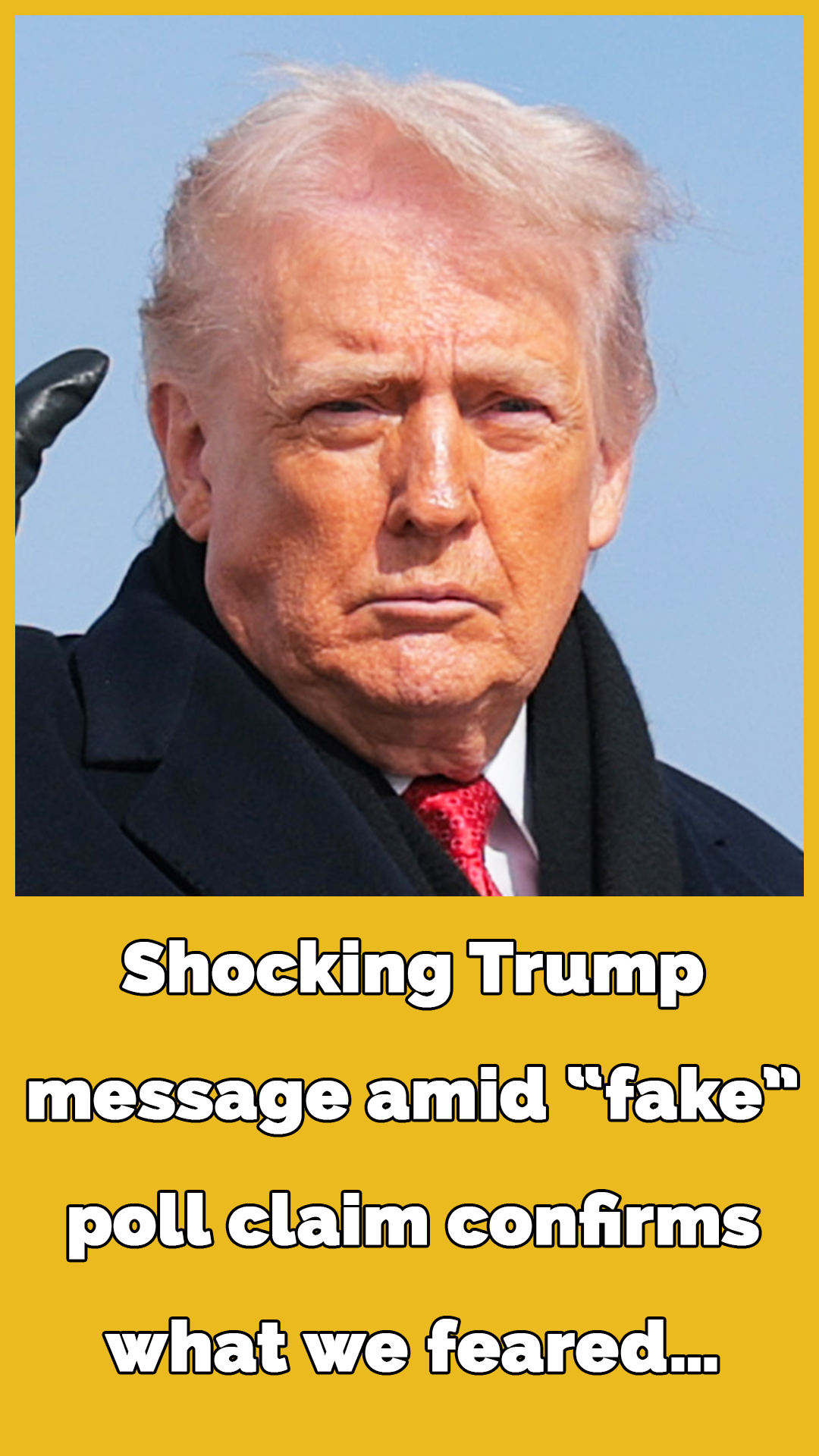
President Donald Trump is confronting declining approval ratings as he approaches the midterm elections, according to multiple recent polls. While his administration highlights successes in economic indicators such as inflation and food prices, public sentiment suggests a growing portion of Americans are dissatisfied with his performance.
The first year of Trump’s second term has been marked by high-profile controversies and challenging policy issues. Federal immigration enforcement, the ongoing fallout from the Epstein investigation, and diplomatic tensions involving Greenland have all contributed to a complex political environment. These developments appear to be reflected in polling data, as many voters express frustration with the president’s handling of domestic and international matters.
Several surveys conducted in early January 2026 indicate that Trump’s overall approval rating is below the 50 percent mark. An AP-NORC poll, conducted through January 8, 2026, found that 59 percent of U.S. adults disapprove of his performance, while only 40 percent approve. The survey also explored public opinion on specific policy areas:
Economy: 37 percent approval, 62 percent disapproval
Immigration: 38 percent approval, 61 percent disapproval
Foreign policy and trade negotiations: 37 percent approval, 61 percent disapproval
The AP-NORC poll cautioned that all survey results include a margin of error and can vary across different demographic groups. Other surveys show comparable results. A New York Times poll conducted with Siena University placed Trump’s approval at roughly 40 percent, with respondents citing dissatisfaction with the economy and national direction.
Additional polling from the Wall Street Journal indicated a 45 percent approval rating, while a Reuters/Ipsos survey reported 41 percent. RealClearPolitics’ aggregation of national polls showed Trump averaging 42 percent approval, with 55 percent of respondents disapproving.
Trump Criticizes Polling Practices
In response to the declining numbers, Trump has launched a broad critique of the media and polling organizations. Posting on Truth Social, he described certain news outlets as publishing “misleading polls” and reiterated claims regarding the 2020 election.
“Fake and Fraudulent Polling should be, virtually, a criminal offense,” Trump wrote. “As an example, all of the Anti Trump Media that covered me during the 2020 Election showed Polls that were knowingly wrong; They knew what they were doing, trying to influence the Election, but I won in a Landslide, including winning the Popular Vote, all 7 of the 7 Swing States, the Electoral College was a route, and 2,750 Counties to 525.”
He continued his criticism, specifically mentioning major news outlets: “Even the Polls of FoxNews and The Wall Street Journal have been, over the years, terrible! There are great Pollsters that called the Election right, but the Media does not want to use them in any way, shape, or form. Isn’t it sad what has happened to American Journalism, but I am going to do everything possible to keep this Polling SCAM from moving forward!”
Republican pollster Daron Shaw noted that while Trump maintains strong support among party loyalists, opposition from Democrats has become more entrenched, contributing to the low approval ratings reported in surveys.
Public Sentiment and Midterm Implications
The declining approval numbers come as Trump and congressional Republicans prepare for the 2026 midterms. Political analysts suggest that while low presidential approval can influence voter turnout and party performance, Trump’s base remains engaged, potentially mitigating broader impacts on Republican candidates.
Despite the controversies and unfavorable polling, Trump continues to emphasize achievements highlighted by his administration, including economic performance, job growth, and policy reforms. Supporters often cite these metrics in defense of the president’s overall record, even as public surveys indicate widespread concern across a range of issues.
Trump’s press activities have included bilateral meetings with international leaders and domestic visits to economic and industrial sites. On December 29, 2025, he met with Israeli Prime Minister Benjamin Netanyahu at his Mar-a-Lago club in Palm Beach, Florida, to discuss regional security and U.S.-Israel relations. In early January 2026, he addressed House Republicans at a retreat in Washington, D.C., focusing on legislative priorities, and toured the Ford River Rouge Complex in Dearborn, Michigan, emphasizing economic initiatives and industrial development.
These public engagements are part of a broader effort to reinforce his messaging and maintain visibility amid mixed public opinion. Analysts note that while such activities can help shape perception, overall approval ratings remain heavily influenced by voters’ evaluation of domestic and foreign policy performance, economic conditions, and social issues.
Observers Highlight Polarization
The Trump presidency continues to be characterized by significant political polarization. While approval among Republicans remains relatively stable, opposition among Democrats and independent voters has hardened. The president’s rhetoric criticizing polls and media coverage further reflects a contentious dynamic between his administration and various news organizations.
Political commentators suggest that Trump’s response to polling data may resonate with his core supporters, reinforcing a narrative of media bias and electoral integrity. At the same time, the public debate surrounding poll accuracy, media reporting, and presidential performance is likely to intensify in the months leading up to the midterm elections.
As the nation looks toward upcoming elections, the president’s approval ratings serve as a critical measure of public sentiment. While he faces challenges in addressing both policy criticisms and perception issues, Trump’s continued engagement in public events and media commentary demonstrates a proactive strategy to influence voter attitudes and maintain political influence.