
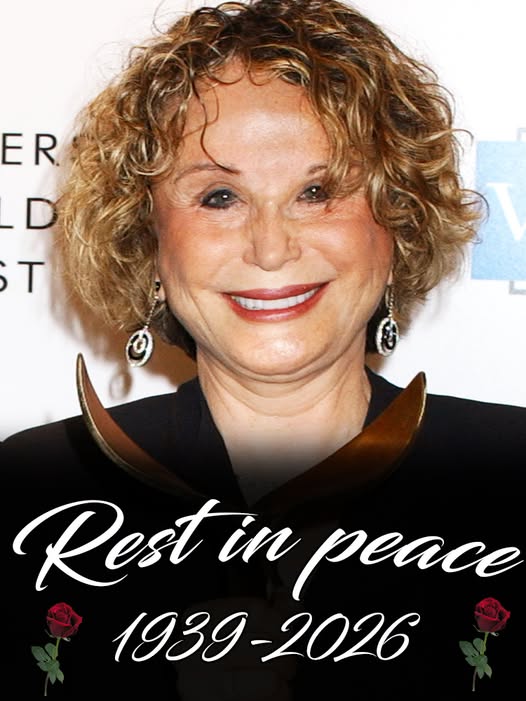
The Young and the Restless Actress Ellen Weston Dies at 87
Ellen Weston, the actress known to daytime television audiences for her role as Suzanne Thurston on The Young and the Restless, has died at the age of 87.
Weston passed away on May 28 at Cedars-Sinai Medical Center in Los Angeles. Her death was confirmed by her friend and manager, Susan Zachary.
During a career that lasted more than six decades, Weston became a familiar presence across soap operas, classic television series, and later behind-the-scenes work as a writer and producer.
Her work reached viewers through several major television productions, and her life was remembered not only for her professional accomplishments, but also for the loyalty, warmth, and strength she showed to those close to her.
A Long Career in Television
Born on April 19, 1939, in New York City, Ellen Weston entered the entertainment world during an era when television was becoming one of the most powerful forms of storytelling in American homes.
Over the years, she built a career that crossed different genres and formats, from soap operas to comedy, drama, and action-adventure programming.
For many viewers, her best-known role came on The Young and the Restless, where she portrayed Suzanne Thurston from 1979 to 1981.
Her time on the series placed her within one of the most recognizable daytime dramas on television. Soap opera audiences came to know her through performances that contributed to the emotional and character-driven storytelling that defines the genre.
Before joining The Young and the Restless, Weston had already appeared in another major daytime drama. She starred as Robin Fletcher on Guiding Light, a role that helped establish her presence among soap opera viewers.
She later joined Another World, further connecting her career to a television format known for long-running characters, layered relationships, and devoted audiences.
Remembered by Friends
Weston’s friends remembered her with deep affection after her passing. Their statement emphasized the personal role she played in the lives of those around her.
In the statement, Weston was described by her friends as “beyond a loyal friend — she was a fierce advocate for every single one of us.”
The tribute presented her as someone who was not only present in moments of happiness, but also dependable during difficult times.
“She was our consigliere dispensing advice, wisdom, compassion, and care in equal measure — especially when we most needed an ear, a shoulder, and a true confidante,” the statement said.
Those words reflected the image of a person whose friendships were active, protective, and deeply meaningful. She was remembered as someone who listened, guided, supported, and offered comfort when it was needed most.
The statement also described Weston as someone who cared about how she lived and how she carried herself. Her friends recalled her style, energy, and continued curiosity even late in life.
“She took excellent care of herself, always tastefully put together with gorgeous outfits, the perfect makeup, and more. Up until the very end, she was still dancing and taking new classes,” it continued. “The latest was a pottery class taught by a dear friend that ended a month before her passing.”
That memory added a vivid personal dimension to the announcement of her death. It showed Weston as someone who remained engaged with life, movement, creativity, and learning until her final weeks.
Her Role on The Young and the Restless
Weston’s portrayal of Suzanne Thurston on The Young and the Restless remains one of the roles most closely associated with her name.
She appeared on the series from 1979 to 1981, a period when daytime television continued to hold a major place in daily viewing habits.
Soap operas depend heavily on performers who can bring emotional weight, consistency, and nuance to stories that unfold over extended periods. Weston’s work placed her within that tradition.
Her performance as Suzanne Thurston became part of a larger body of work that connected her to generations of viewers who followed daytime television closely.
The Young and the Restless gave her one of her most recognizable credits, but it was only one chapter in a much broader television career.
Her work across multiple daytime dramas showed her versatility and her ability to move through different fictional worlds while maintaining a strong screen presence.
Work Across Classic Television
Beyond soap operas, Weston appeared in a number of well-known television shows that remain part of classic TV history.
Her credits included Get Smart, Bewitched, Wonder Woman, Mannix, and The Bob Newhart Show.
Those appearances placed her across several styles of television entertainment. She worked in comedy, fantasy, action, and drama, contributing to programs that reached broad audiences.
Get Smart and Bewitched represented popular comedy formats with distinctive tones and memorable characters. Wonder Woman brought her into the world of superhero and adventure television.
Mannix connected her to crime drama, while The Bob Newhart Show reflected a different style of character-driven comedy.
Appearing across such varied productions demonstrated Weston’s range as a performer. She was able to take part in different kinds of storytelling during a long period of change in television.
Her career reflected both the endurance and flexibility required of working actors who move between guest roles, recurring parts, and long-running daytime work.
A Career Beyond Acting
Ellen Weston was not limited to work in front of the camera. Later in her career, she became active behind the scenes as a writer and producer.
That transition showed another side of her creative abilities. Rather than only performing stories written by others, she contributed directly to shaping television projects.
Among the projects she worked on was And the Beat Goes On: The Sonny and Cher Story.
Her involvement in writing and producing allowed her to apply the experience she had gained as an actress to the structure, character development, and emotional rhythm of television storytelling.
For performers, moving into writing or producing can represent a meaningful expansion of creative influence. It allows them to bring their understanding of performance, pacing, dialogue, and audience connection into the production process.
Weston’s later success behind the scenes added depth to her professional legacy. She was not only remembered as an actress who appeared in familiar shows, but also as a creative figure who contributed to television from another side of the industry.
Return to Guiding Light as a Writer
Weston’s connection to Guiding Light did not end with her earlier acting role as Robin Fletcher.
In the early 2000s, she returned to the daytime drama as a writer, bringing her career full circle in an important way.
Her return to the series in a writing capacity showed how her understanding of the soap opera form had developed across decades. She knew the genre as a performer and later contributed to it as part of the storytelling process.
Writing for a soap opera requires attention to character history, emotional continuity, pacing, and long-term narrative development. The work demands consistency while also finding new ways to keep stories engaging.
Weston earned praise for her storytelling abilities during this stage of her career. That recognition reflected the respect she gained not only for appearing in television dramas, but for helping shape them.
Her dual connection to Guiding Light, first as an actress and later as a writer, remains one of the notable threads running through her professional life.
A Six-Decade Legacy
Weston’s career spanned more than six decades, an achievement that reflects persistence, adaptability, and sustained creative commitment.
Few performers remain connected to the entertainment industry for that length of time. Her work across acting, writing, and producing showed an ability to grow with the medium.
Television changed significantly over the course of Weston’s career. Formats evolved, audiences shifted, and the industry moved through many different eras.
Through those changes, Weston remained part of the creative world. She appeared in well-known programs, joined major soap operas, and later contributed to television storytelling from behind the scenes.
Her career demonstrated the value of versatility. She could perform, write, and produce, and she left behind credits that showed a broad range of experience.
For viewers who knew her from The Young and the Restless, she remained connected to daytime drama. For others, her classic television appearances and later writing work formed additional parts of her legacy.
A Life of Style, Movement, and Curiosity
The personal memories shared by Weston’s friends painted a picture of someone who remained vibrant and engaged throughout her life.
They remembered her as someone who took pride in presenting herself with elegance and care. Her clothing, makeup, and sense of style were described as part of the way she moved through the world.
But the tribute also emphasized more than appearance. It described a person who kept dancing, learning, and taking new classes even near the end of her life.
Her recent pottery class, which ended a month before her passing, became a meaningful detail in the remembrance. It suggested that Weston continued seeking creativity, connection, and personal growth.
That detail helped show the fullness of her life beyond her screen credits. She was remembered not only for the roles she played, but for the energy she carried into her friendships and daily experiences.
For those who knew her personally, that may be among the most lasting memories: a woman who remained curious, stylish, loyal, and active until very late in life.
Survived by Her Son
Ellen Weston is survived by her son, Jon.
Her passing marks the end of a long life in and around television, but her work remains part of the history of several well-known productions.
From her performances in daytime dramas to appearances on classic television shows and later success as a writer and producer, Weston built a career that crossed many parts of the industry.
Her friends remembered her as a loyal advocate, a trusted confidante, and a source of wisdom and compassion. Those personal qualities stand alongside her professional achievements as part of the legacy she leaves behind.
For audiences, she will be remembered through the characters she portrayed and the stories she helped shape.
For those closest to her, she will be remembered as someone who offered care, advice, style, creativity, and friendship in generous measure.
Ellen Weston’s death at 87 closes a chapter in the history of daytime and classic television, but her contributions across more than six decades remain part of the medium she helped build and enrich.