
From Sheffield Streets to Global Stages: The Life and Legacy of Joe Cocker
Early Years in an Industrial City
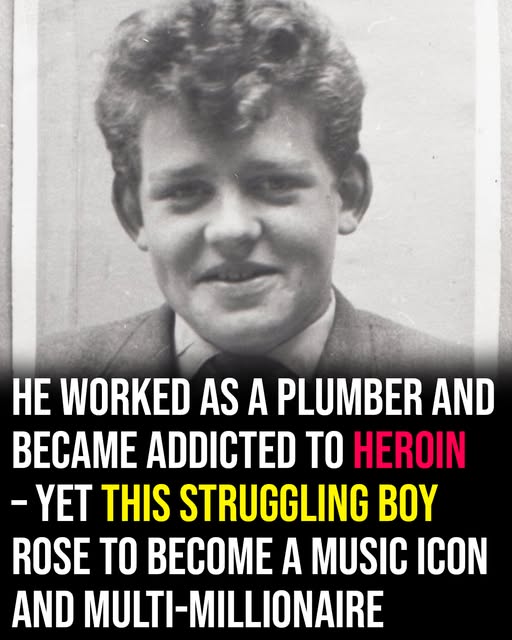
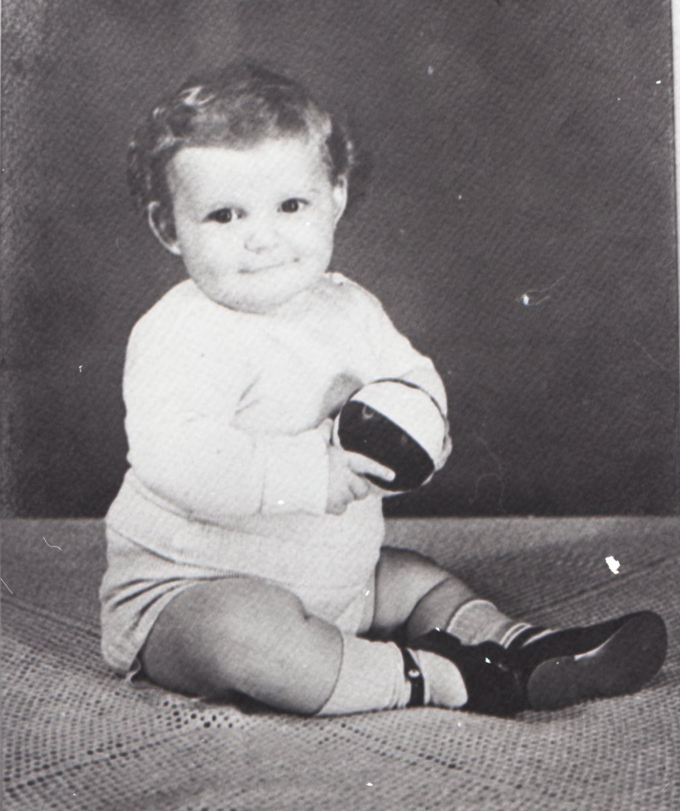
Before becoming a globally recognized voice in rock music, Joe Cocker was a young boy growing up in the industrial heart of Sheffield, a city defined by its steel production and heavy pollution.
Born during World War II, he entered a world shaped by hardship and resilience, where daily life was marked by the presence of smoke-filled skies and soot-covered streets.
His father worked as an aircraftman in the Royal Air Force, while his mother managed the household, creating a stable but modest environment.
Though he was given the name John at birth, it was a nickname that would later define his identity and career. The origin of that nickname remains uncertain, with differing accounts suggesting it came from a childhood game or was inspired by a local figure.
Growing up in 1950s Sheffield meant constant exposure to industrial surroundings, where buildings were darkened by years of pollution, and the air carried the weight of factory emissions.
A Desire to Escape and Find Purpose
From an early age, he did not dream of becoming a star. His primary goal was to leave behind the environment he had known all his life.
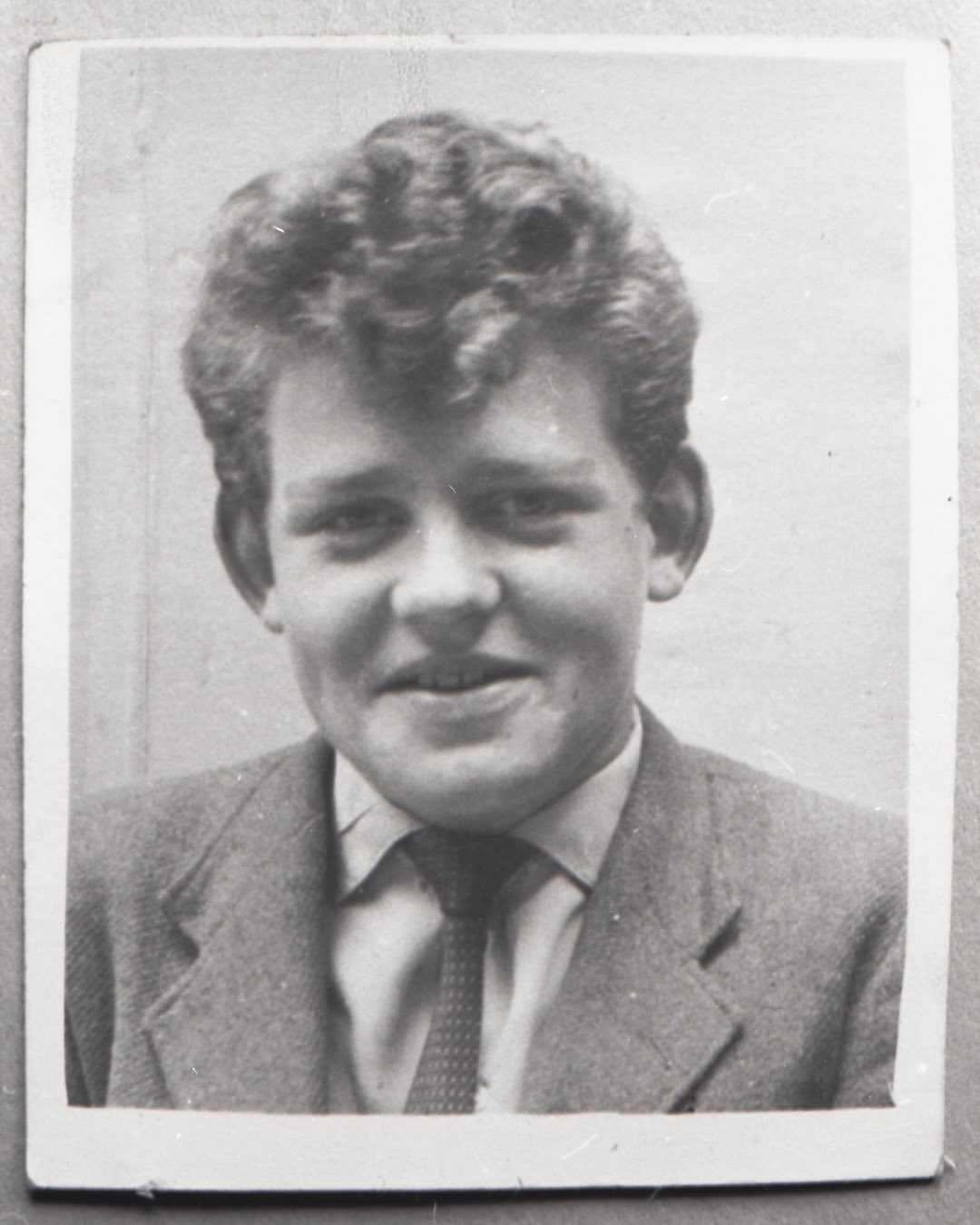
At 16, he left school with little encouragement, stepping into the workforce as an apprentice gas fitter while quietly nurturing a growing passion for music.
His days were spent learning a trade, but his nights were devoted to performing in local venues, chasing something beyond the limits of his surroundings.
“His voice had hardly broken and there was no way you could recognize his talent but his enthusiasm was undeniable and he had that desire to perform which was there throughout his career,” his brother told The Star.
Despite the lack of early recognition, his determination never faded.
“I thought he was going to take up gas fitting as a career. I even got him a lot of books on the subject, and he was interested in gas for a time, but there was always the music. He told me he didn’t want a job where he worked for years and years and then got presented with a gold watch at the end,” his mother once shared.
Struggles in the Early Music Career
His journey into music was far from smooth. Performing in small venues, he often played to audiences who paid little attention, more focused on their drinks than the stage.
He borrowed equipment, funded recordings with his own earnings, and faced repeated rejection from record labels.
Still, he continued, driven by the belief that music was his only true calling.
In 1964, he was given his first opportunity to record professionally, traveling to London to produce a cover of a song by The Beatles.
Despite the effort, the release failed to make an impact, and he was paid only $1.50 for the session.
“Decca were very professional. That’s why they dropped me,” he later joked.
After leaving his job at the gas board, he took on work packing goods while continuing to pursue music, even taking on drumming roles when needed.
Breakthrough and Rise to Fame
Several years after his initial setback, he was given another chance, and this time, the outcome was different.
His rendition of “With a Little Help from My Friends” achieved significant success, climbing charts in both the United Kingdom and the United States.
The song reached No. 1 in the UK, marking a turning point in his career.
“The day it happened, I got a telegram,” he later recalled. “THANKS YOU ARE FAR TOO MUCH, JOHN AND PAUL.”
This success opened doors to international audiences and led to his first tour in the United States in 1969.
Shortly afterward, his live album Mad Dogs & Englishmen reached No. 2 on American charts, further cementing his growing reputation.
Defining Moment at Woodstock
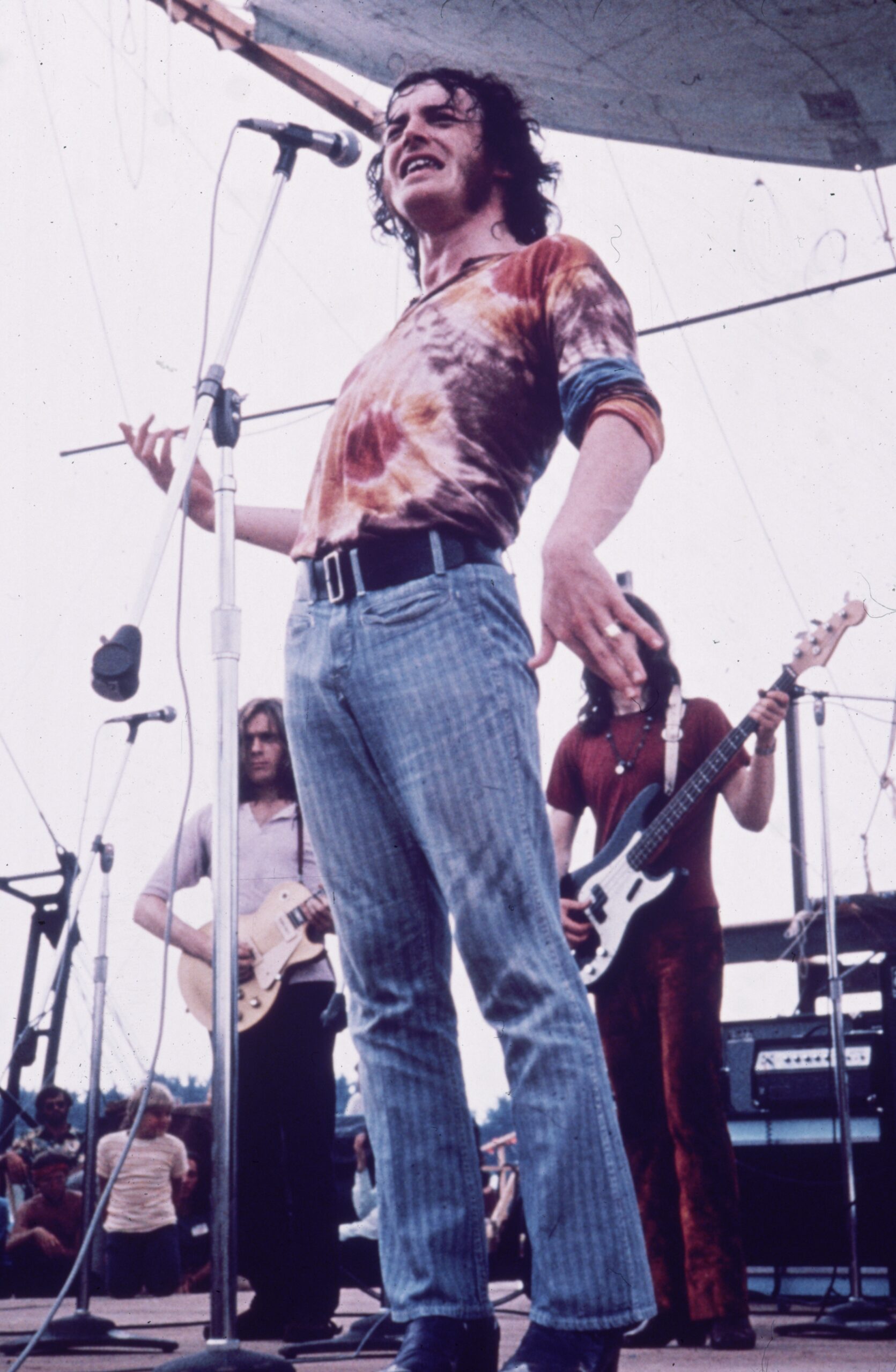
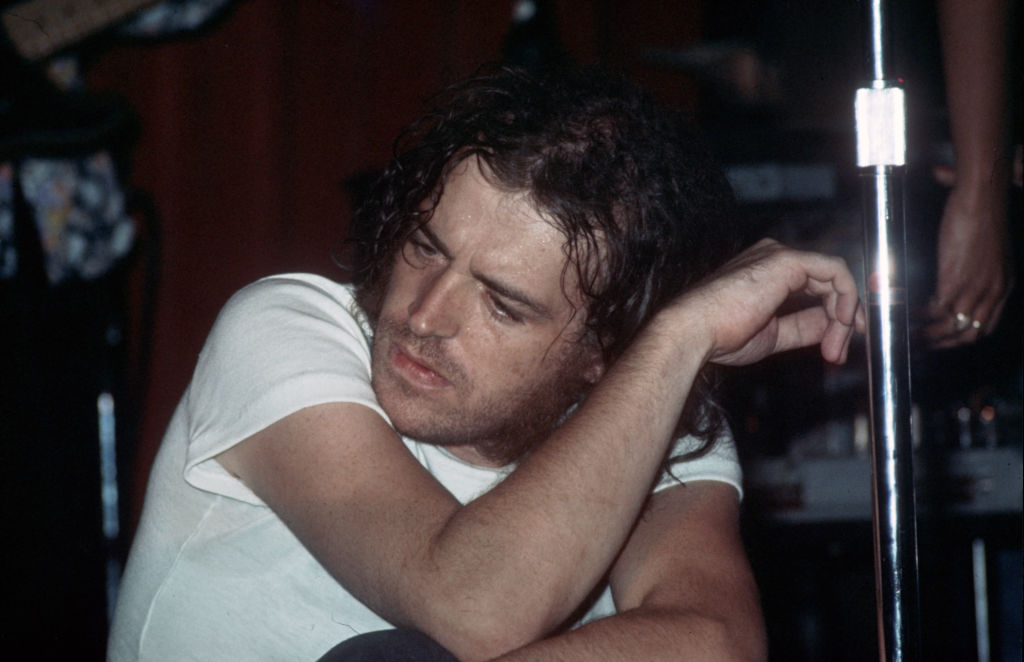
His performance at Woodstock in August 1969 became one of the most memorable moments of the era.
Taking the stage in a tie-dyed shirt and jeans, he delivered a powerful and emotionally charged version of his breakthrough song.
His raw vocal style, combined with intense physical expression, created a performance that stood out among the festival’s many acts.
The performance was marked by unfiltered emotion, with movements and expressions that reflected the depth of his connection to the music.
It became a defining moment, capturing the attention of a massive audience and solidifying his place in music history.
Reflecting on the experience, he later said, “Were we epic? I dunno… I was wearing a tie-dyed shirt, and when I took it off after, the colors had stained my chest in the exact same pattern.”

Relentless Touring and Personal Struggles
Following his rise to fame, he maintained an intense touring schedule, performing across major events and international stages.
However, the demands of constant travel and performance began to take a toll on his health.
During this period, substance use became deeply intertwined with life on the road.
Alcohol, heroin, cocaine, and other substances became part of his daily routine, leading to increasing instability.
He later described his experiences with addiction, acknowledging the risks and consequences.
“I started taking heroin seriously, even though I’d thought it was the big taboo. I flirted with addiction, but I couldn’t handle it on that level. It was too powerful and intense. I never used the works, I snorted heroin. It made me feel fearless. I’d be driving from London to Sheffield with mates and be speeding like a lunatic down the motorway. They’d be terrified, shouting at me to slow down. I didn’t bat an eyelid,” he admitted.
Career Setbacks and Public Incidents
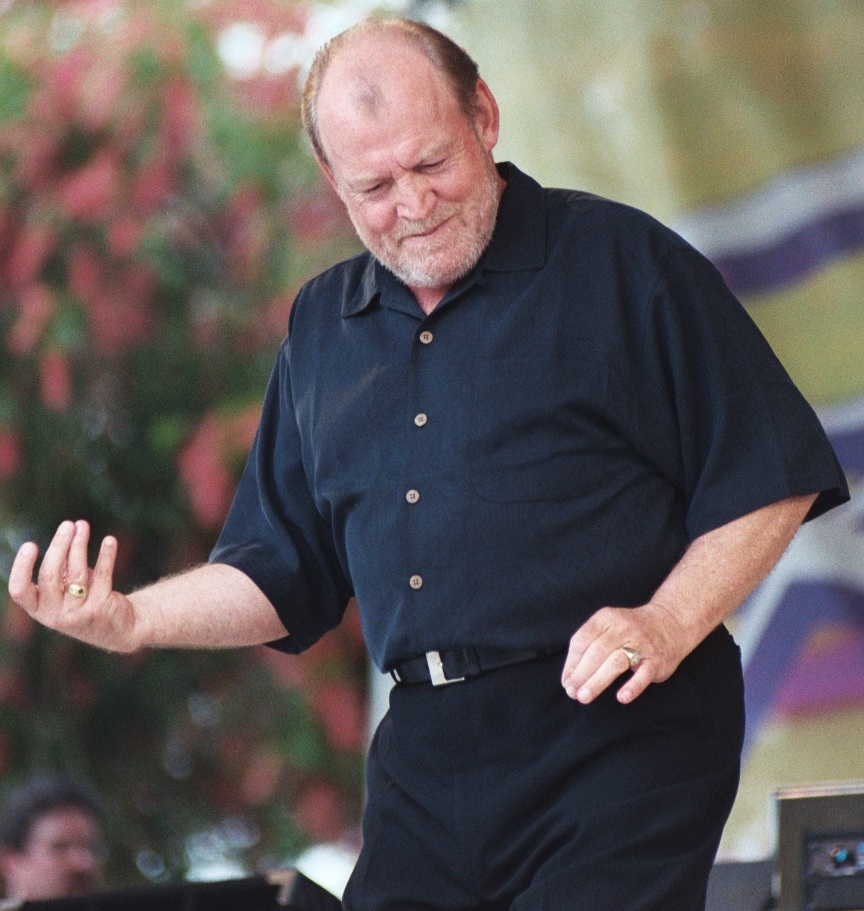
By the mid-1970s, his career faced significant challenges. Health issues and substance use affected his ability to perform consistently.
There were instances where he was unable to complete shows, and his public image became increasingly troubled.
During a tour in Australia, he was arrested for possession of cannabis and later detained again following an altercation at a hotel.
He recalled one experience, saying, “They put me in a cell with a bank robber, and an Aborigine who was alleged to have murdered someone. The bank robber seemed like a nice bloke. Said he had all my albums.”
Even amid these struggles, he managed to achieve further success, including a hit with “You Are So Beautiful,” which reached No. 5 on the US charts.
Moments of Crisis and Comeback
Despite continued success, there were moments when his struggles became overwhelming.
During a performance in Los Angeles in 1974, he experienced a breakdown on stage after consuming alcohol and drugs.
“Somebody should have kept an eye on me,” he said. “But some dealer found me backstage and filled me up with cocaine. I hadn’t performed live in a couple of years. I drank a whole bottle of brandy, and then went out and got through two songs, and then I sat down on stage with a total mental block.”
Over time, he began to regain control of his life and career, gradually rebuilding his reputation.
Major Success and Lasting Hits
One of his most notable achievements came with the song “Up Where We Belong,” a duet with Jennifer Warnes.
The track reached No. 1 in the United States and earned a Grammy Award in 1983, becoming a defining song of its time.
Reflecting on his journey, he once said, “I suppose my journey from 16-year-old gas fitter to today is a bit staggering. On my last trip to Australia, some old cat said: ‘You’ve led a life.’ Not a good one, mind. Not even a bad one. Just a life. Looking back, if I hadn’t made it I doubt I’d have stayed as a gas fitter. I’d still be singing in pubs and wondering what might have been.”
Personal Life and Stability
In 1978, he moved to a ranch in California, where he met Pam Baker, who would later become his wife.
Their relationship, which led to marriage in 1987, marked a turning point, bringing stability to his personal life.
She played a key role in helping him manage his struggles and build a more settled lifestyle.
Together, they established a quieter life in Colorado, away from the intensity of his earlier years.
Continued Career and Later Years
Through the 1980s and 1990s, he continued to release albums and perform, maintaining a presence in the music industry.
Works such as Unchain My Heart, One Night of Sin, Night Calls, and Have a Little Faith received attention and contributed to his enduring legacy.
He also appeared at major events and continued touring, demonstrating his lasting appeal.
Even in later years, he remained committed to music, releasing albums and performing for audiences around the world.
Final Years and Passing
Joe Cocker passed away on December 22, 2014, in Colorado at the age of 70 after being diagnosed with lung cancer.
His history of heavy smoking, which he ended in 1991, was noted as a contributing factor to his illness.
At the time of his death, his estimated net worth was around $60 million, reflecting a long and varied career.
Legacy of a Distinctive Voice
Joe Cocker is remembered as one of the most distinctive voices in rock music, known for his emotional delivery and unique vocal style.
His contributions to music have continued to resonate, earning him recognition long after his passing.
In November 2025, he was posthumously inducted into the Rock and Roll Hall of Fame, an acknowledgment of his lasting impact on the industry.
A Life Defined by Passion and Perseverance
His story reflects a journey marked by determination, struggle, and transformation.
From the industrial streets of Sheffield to international stages, he remained driven by a deep connection to music.
Through challenges and triumphs alike, his voice carried the experiences of a life lived fully, leaving behind a legacy that continues to inspire.