
Tattoos are among the oldest forms of human expression, with evidence of their practice stretching back thousands of years and spanning nearly every inhabited continent. Far from being mere decoration, they have historically served as markers of identity, social standing, spiritual belief, rites of passage, and personal storytelling.
Archaeological discoveries have revealed the presence of tattoos in civilizations as diverse as ancient Egypt, Polynesia, and Indigenous communities across the Americas. These early examples demonstrate that tattooing has long been intertwined with human culture, ritual, and self-expression.
One of the most striking historical finds is the mummified body of Ötzi the Iceman, who lived more than 5,000 years ago. His skin bears evidence of prehistoric tattooing, including lines and crosses thought to have therapeutic or symbolic purposes. In ancient Egypt, tattoos carried meanings related to fertility, protection, and social status, particularly among women, blending aesthetic appeal with spiritual significance.
Polynesian Traditions: Tattoos as Identity and Spirituality
In Polynesian cultures, tattooing evolved into an intricate art form deeply connected to community and social hierarchy. Patterns were never arbitrary; each line, spiral, and geometric motif conveyed information about lineage, rank, and obligations within society.
Young men and women underwent lengthy tattooing rituals as rites of passage, enduring intense pain to demonstrate courage, resilience, and readiness for adult responsibilities. Beyond their social functions, Polynesian tattoos also held spiritual importance, serving as protective talismans and establishing a connection with ancestral power.
Indigenous Practices in the Americas
Across the Americas, Indigenous peoples employed tattoos for ceremonial, medicinal, and social purposes. Communities such as the Inuit, Haida, and Maya used tattoos to communicate relationships with nature, spiritual beliefs, and societal roles.
For instance, Inuit women’s facial tattoos marked milestones in marriageability or survival skills. In Mesoamerican societies, tattoos often signified religious devotion or reflected an individual’s status within the community. These designs were highly meaningful, serving as visible markers of life events, accomplishments, or spiritual journeys.
Tattoos as Cultural and Social Signifiers
Historically, tattoos were rarely purely decorative. In many cultures, they conveyed explicit social, religious, or political meanings. A tattoo might indicate a warrior’s rank, tribal membership, or provide protection against malevolent forces. Placement, pattern, and design were carefully chosen to reflect the wearer’s identity and accomplishments.
Tattoos also emerged in subcultural and underground contexts, including prisons, gangs, and marginalized communities. Here, tattoos functioned as visual codes, expressing loyalty, experience, and resilience. Symbols such as teardrops, spiderwebs, or the five-dot pattern communicated complex messages about personal history, survival, or defiance of societal norms. While some modern tattoo wearers adopt these designs for aesthetics, their historical meanings remain significant.
Symbolism and Personal Meaning
Tattoos frequently embody profound symbolism, capturing social, political, or personal narratives. Numbers often carry specific meaning, marking loyalty, commemoration, or life-changing events. For example, the number 13 can represent rebellion or affiliation with biker culture, while sequences of dates may memorialize lost loved ones or transformative experiences.
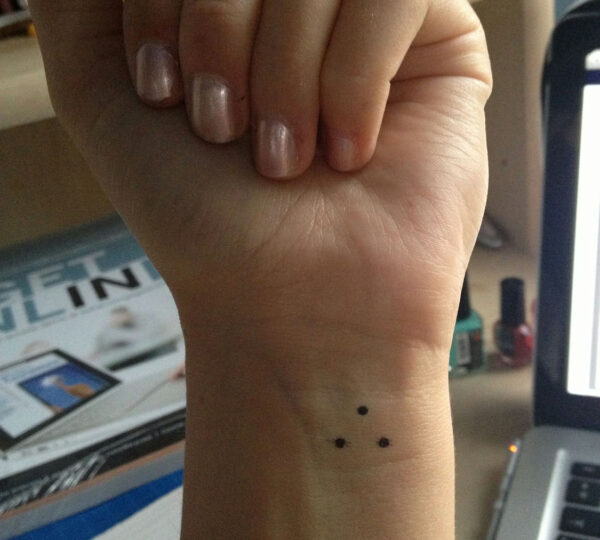
Common motifs like skulls, snakes, or daggers are highly context-dependent. A skull may signify mortality, resilience, or defiance, while a snake can symbolize rebirth, wisdom, or protection. Smaller symbols, such as three dots arranged in a triangle, are often interpreted as “mi vida loca” (“my crazy life”), representing rebellion, survival, or life on the fringes of conventional society. The five-dot tattoo, reminiscent of dice, historically indicated periods of imprisonment, endurance, and survival.
These symbols carry layered, culturally specific meanings, extending far beyond mere aesthetics. For insiders, they represent lived experience and communal identity. For outsiders, understanding this context fosters respect and appreciation.
The Evolution of Tattoo Culture
Tattoo meanings have evolved over centuries. Designs once deeply tied to specific communities can acquire new significance in contemporary society. Tribal patterns that originally indicated clan membership may now be chosen for their aesthetic appeal by individuals with no direct connection to the culture of origin.
Similarly, symbols that once marked subcultural or criminal affiliations may now be repurposed as personal art or statements of individuality. This evolution highlights the dynamic nature of tattoo culture, demonstrating that design meanings are fluid and influenced by social change, cultural exchange, and individual experiences.
Understanding tattoos requires attention to both historical context and personal significance rather than judging solely by appearance.
Global Tattoo Traditions
Tattoo practices differ widely across the globe, reflecting distinct cultural histories and traditions:
Japan: The Japanese art of Irezumi features large, elaborate designs that often cover the back, arms, or entire body. Historically associated with specific groups, including the Yakuza, these tattoos carry deeper symbolic meanings, representing courage, protection, and mythological or natural elements. Motifs such as koi fish, dragons, and cherry blossoms symbolize perseverance, transformation, and the ephemeral nature of life.
Polynesia: In Polynesian culture, tattoos—or tatau—serve as markers of identity, social rank, and spiritual connection. Rituals can last days, requiring endurance and resilience. Motifs often draw from nature, including waves, sharks, and turtles, symbolizing spiritual protection and ancestral linkage.
Indigenous Americas: Tattoos were used for ceremonial, medicinal, and social purposes. In Native American and South American communities, designs indicated achievements in hunting, spiritual journeys, and protection, reflecting close ties to the natural and spiritual worlds.
Western Societies: In Western cultures, tattoos transitioned from subcultural symbols of sailors, bikers, and countercultural groups to widely accepted forms of personal art, fashion, and commentary. While mainstream adoption has increased, elements of historical symbolism—rebellion, resilience, or commemoration—continue to influence design choices.
Tattoos as Personal Storytelling
One of the most compelling aspects of tattoo culture is its narrative function. Many people choose tattoos to memorialize loved ones, significant events, or personal transformations. Others mark survival of trauma, life lessons, or milestones.
For example, someone who has recovered from a serious illness might select a symbol representing strength or rebirth. Parents may honor children through names, birth dates, or symbolic motifs. Veterans often commemorate service with insignia or emblems. In this way, tattoos function as living archives, recording personal experiences, values, and beliefs.
Beyond the personal, tattoos can serve as social statements, advocating for causes, representing cultural pride, or memorializing collective experiences, including historical struggles or societal milestones.
Respectful Appreciation and Awareness
Approaching tattoos with cultural sensitivity and awareness is essential. Misinterpreting or assuming the meaning of a design based solely on appearance can lead to stereotyping, cultural appropriation, or misunderstanding. Recognizing historical, social, and personal contexts allows for an informed, respectful appreciation of tattoos’ deeper significance.
Modern tattoo culture blends artistry, identity, and heritage. Tattoos are far more than decorative—they are visual expressions of memory, experience, and communication. Understanding this enhances appreciation of their cultural and personal depth.
Contemporary Trends and Innovations
Tattoo styles have expanded dramatically, ranging from minimalist line work and watercolor effects to hyper-realistic portraits and full-body compositions. Artists often blend global influences, combining motifs from Japan, Polynesia, Indigenous Americas, and Western traditions to create personalized designs.
Digital technology and social media have further transformed tattoo culture. Artists and clients now share designs worldwide, enabling cross-cultural dialogue and inspiring innovation. Tattoo conventions, competitions, and exhibitions have elevated body art as a legitimate art form, recognized alongside painting, sculpture, and graphic design.
Despite evolving techniques, the core essence of tattooing endures: a desire to express, commemorate, and connect. Whether marking personal growth, honoring ancestry, or telling a story of resilience, tattoos embody the universal human impulse to communicate visually and permanently.
Tattoos as Cultural Bridges
Tattoos link individuals to heritage and community. Designs passed through generations or inspired by ancestral practices maintain cultural continuity. When approached respectfully, motifs from other cultures can foster storytelling, cross-cultural understanding, and appreciation.
Communities of tattoo enthusiasts, both online and offline, celebrate shared artistry, exchange techniques, and preserve cultural knowledge. These networks transform body art into a dynamic cultural conversation, honoring history while embracing innovation.
Conclusion: Tattoos as Living Art
Tattoos remain one of humanity’s most enduring forms of self-expression, combining artistry, identity, and narrative. They celebrate individuality, commemorate life events, preserve cultural heritage, and reflect resilience.
By understanding their origins, symbolism, and personal meanings, tattoos can be appreciated as more than surface adornments—they are living records of human experience. They embody memory, identity, and connection, illustrating the richness and complexity of life across time and cultures.
Whether chosen for aesthetics, cultural significance, or personal storytelling, tattoos are a profound and universal form of human expression. Their permanence reflects the ongoing desire to communicate, remember, and connect, ensuring that tattoos will remain vital cultural and personal symbols for generations.