
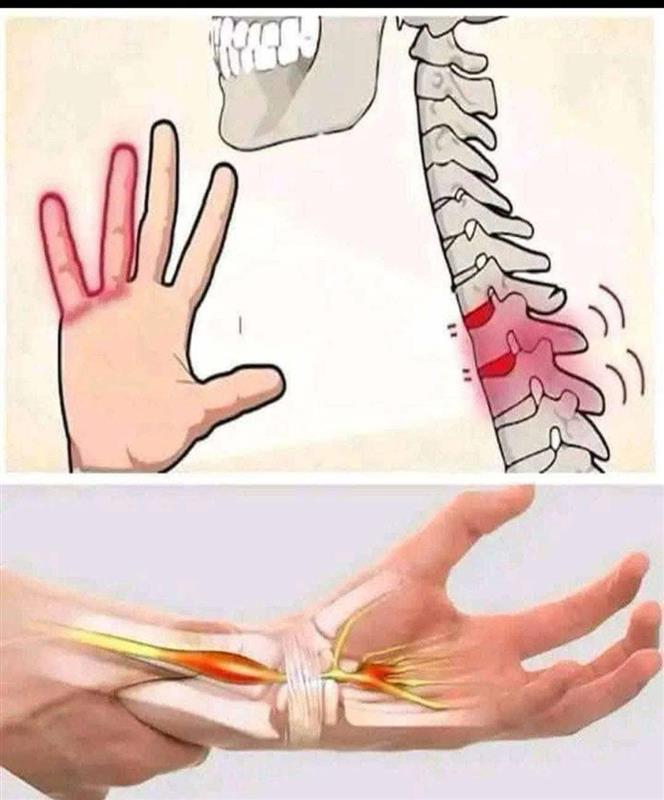
Waking up with tingling in your hands, fingers, or arms is a sensation most of us have experienced at one point or another. That fleeting numbness or prickling feeling, often described as “pins and needles,” can feel strange and unsettling — but what exactly is happening in your body?
What Causes Tingling Sensations?
Medically, this sensation is known as paresthesia, and it can present as tingling, numbness, or even a burning feeling in various parts of the body, including hands, feet, legs, or arms. According to the National Institute of Neurological Disorders and Stroke, paresthesia is not inherently painful but can be uncomfortable and may appear unexpectedly.
The most common reason for temporary tingling is transient paresthesia, which happens when pressure is applied to a nerve for an extended period. For example, sleeping on your arm or remaining in a single position for too long can compress nerves and reduce blood flow, causing your limb to “fall asleep.”
Other causes, beyond posture, include:
Nerve injury
Herniated spinal discs
Carpal tunnel syndrome
Neurological conditions such as multiple sclerosis
Vascular injuries or reduced circulation
While temporary tingling is usually harmless, chronic or recurring episodes may indicate an underlying condition that requires medical attention.
How to Relieve Tingling Quickly
If your hand or arm is tingling, the key is to restore circulation to the affected area. Some practical steps include:
Stretching the limb: Gently moving your fingers, hands, or arms encourages blood flow.
Massaging the area: Light massage can help release pressure on the nerve and restore sensation.
Shaking out your limb: This helps stimulate circulation and can quickly reduce the “pins and needles” feeling.
Temporary paresthesia usually resolves within a few minutes once the pressure is relieved. However, frequent tingling or persistent symptoms may require further evaluation.
When Tingling Could Signal Something Serious
While most tingling is short-lived, it can sometimes indicate chronic or serious conditions, particularly when linked to nerve damage or neurological disorders. Some potential causes include:
Stroke or mini-stroke
Multiple sclerosis
Encephalitis or inflammation of the brain
Tumors pressing on nerves
Vascular injuries affecting blood flow
Chronic nerve compression, such as carpal tunnel syndrome
Certain signs suggest that medical attention is warranted. See a doctor promptly if your paresthesia:
Begins suddenly or follows a head injury
Affects an entire arm or leg
Is accompanied by weakness, paralysis, or difficulty moving
Includes confusion, dizziness, or trouble speaking
Is associated with severe or sudden headaches
Occurs on both sides of the body or worsens gradually
Appears linked to repetitive activities
Persists or recurs frequently
Early evaluation is critical, particularly if neurological conditions, tumors, or vascular issues are suspected.
Prevention and Lifestyle Considerations
For most people, paresthesia can be minimized with healthy habits and awareness of posture and repetitive movements. Tips include:
Regular movement: Avoid sitting or lying in the same position for long periods.
Proper ergonomics: Keep wrists and arms supported during typing or repetitive tasks.
Stay hydrated: Adequate fluid intake helps maintain blood flow.
Exercise: Regular activity promotes circulation and nerve health.
Manage stress: Chronic tension can exacerbate nerve compression in some cases.
By incorporating these habits, you can reduce the frequency of “falling asleep” limbs and support overall nerve health.
Key Takeaways
Tingling in hands or arms is usually harmless and temporary, caused by pressure on a nerve.
This sensation is medically called paresthesia, which may feel like numbness, tingling, or burning.
Relief often comes from stretching, massaging, or moving the affected limb.
Persistent, severe, or recurring tingling can indicate serious conditions such as nerve damage or neurological disorders.
Seek medical advice if symptoms are sudden, affect entire limbs, or are accompanied by other concerning signs like weakness or confusion.
Understanding why tingling occurs and recognizing the warning signs can help you address minor discomforts while also identifying potential health concerns before they escalate.