
Decoding the Numbers on an Egg Carton: What They Actually Tell You
More Than Just Random Codes
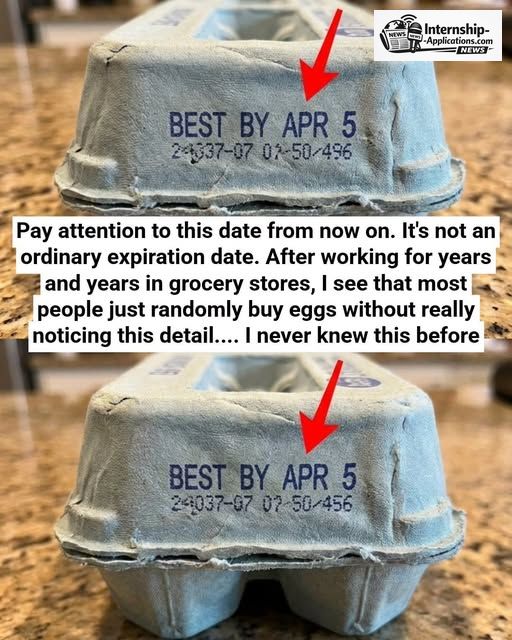
Egg cartons are covered with numbers, letters, and labels that many shoppers overlook. While most people focus on the expiration or “sell by” date, there is additional information printed on the carton that can provide a clearer picture of when the eggs were packed, where they came from, and what level of quality they meet.
Understanding these markings can make shopping easier and help you choose eggs that are as fresh as possible. Once you know what each code represents, comparing cartons becomes a simple way to make a more informed purchase.
The Julian Date Explained
One of the most useful pieces of information on an egg carton is the Julian date. This three-digit number indicates the day of the year when the eggs were packed.
The numbering begins with 001 for January 1 and continues through 365, or 366 during a leap year, ending on the final day of December. For example, a carton marked with 032 means the eggs were packed on the thirty-second day of the year, while a carton marked 250 indicates they were packed much later in the calendar.
Unlike the larger “sell by” date printed on many cartons, the Julian date provides a direct reference to the actual packing day. Comparing these numbers allows shoppers to identify which cartons were packed more recently.
Why Packing Dates Matter
Freshness can influence both the texture and appearance of eggs. Eggs packed more recently generally have firmer egg whites and yolks that maintain their shape better during cooking.
As eggs age, natural changes occur inside the shell. The whites become thinner, and the yolks may spread more easily when cracked into a pan. While older eggs may still be suitable for many uses, shoppers looking for maximum freshness often compare Julian dates before making a selection.
Choosing a carton with a more recent packing date is a simple way to increase the likelihood of bringing home fresher eggs.
The Plant Number and Why It Matters
Another important code printed on egg cartons is the plant number. This identifies the facility where the eggs were processed and packed.
Although many shoppers rarely pay attention to this number during routine grocery trips, it becomes especially useful if a product recall is announced.
Recall notices often identify affected eggs by both their packing date and plant number. Having that information printed on the carton allows consumers to determine quickly whether the eggs in their refrigerator are included.
This identification system helps make food safety notifications more precise and easier to follow.
Understanding USDA Egg Grades
Egg cartons may also display a USDA quality grade. These grades evaluate the interior and exterior quality of the eggs rather than their nutritional value.
Grade AA eggs represent the highest quality. They typically have firm whites, well-rounded yolks, and clean, unbroken shells. These characteristics often make them an excellent choice for frying or poaching, where appearance is especially important.
Grade A eggs are also considered high quality and are commonly found in grocery stores. They perform well in most cooking and baking applications.
Grade B eggs usually have thinner whites and flatter yolks. While they may not look as appealing when served on their own, they can still be suitable for products where appearance is less important.
Looking Beyond Marketing Labels
Many egg cartons feature descriptive phrases designed to attract attention. While these labels may sound appealing, they do not always communicate the same type of information as the official packing codes and quality grades.
Marketing terms can vary from one product to another, making them less useful when evaluating freshness.
For shoppers who want objective information, the Julian date, plant number, and USDA grade provide details based on standardized systems rather than promotional language.
Making Smarter Choices at the Store
Taking a few extra moments to examine an egg carton can help you compare products more effectively.
Checking the Julian date allows you to identify when the eggs were packed, while the plant number provides traceability if safety notices are issued. Looking at the USDA grade also offers insight into the expected quality of the eggs inside the carton.
These markings work together to provide information that goes beyond the more noticeable “sell by” date printed on the packaging.
A Few Numbers That Make a Big Difference
The small codes printed on an egg carton may seem insignificant at first, but they offer valuable information about freshness, quality, and origin.
Understanding the Julian packing date, recognizing the purpose of the plant number, and knowing the meaning of USDA grades can help shoppers make more informed decisions each time they buy eggs.
Rather than relying solely on the most prominent date displayed on the carton, taking a closer look at these additional markings provides a clearer picture of what is inside. With just a little knowledge, those small numbers become practical tools for choosing eggs with greater confidence.