
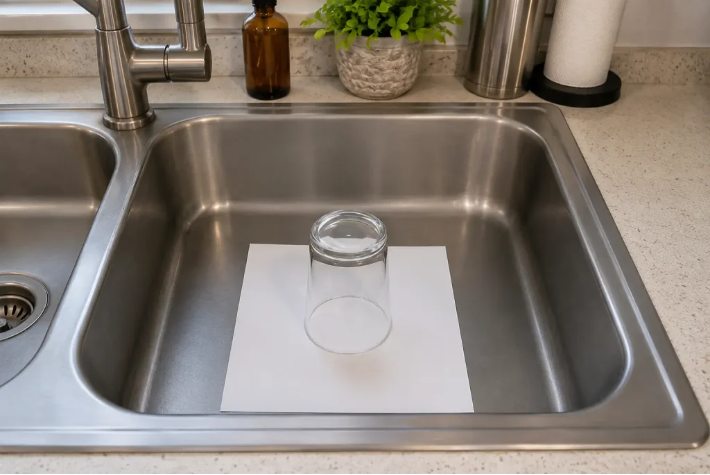
Should You Cover Your Sink Drain Before Traveling? Here’s What Makes the Biggest Difference
A Popular Vacation Tip Making the Rounds Online
Preparing for a vacation usually involves a long list of tasks before leaving home. Many people double-check that doors and windows are locked, empty the trash, unplug selected appliances, and make sure important travel documents are packed.
Recently, another suggestion has gained widespread attention online. Countless social media posts encourage homeowners to place an upside-down drinking glass, a plastic bag, or even a shower cap over sink drains before heading out on a trip.
The idea is simple. Covering the drain is said to block unpleasant sewer odors while also preventing insects from entering the home during an extended absence.
Although the advice has been widely shared, plumbing professionals say the method does not solve the problem in the way many people believe.
How Your Plumbing Already Protects Your Home
Most modern plumbing systems are designed with built-in protection against sewer gases and unwanted pests. A key part of that protection is the P-trap, which is installed beneath sinks, bathtubs, and showers.
If you have ever looked beneath a sink, you have likely noticed a curved section of pipe shaped like the letter “U.” This component serves an important purpose beyond simply directing wastewater.
Each time water flows down the drain, a small amount remains inside the curve of the pipe. That trapped water forms a barrier between the inside of the home and the sewer system.
As long as water remains in the P-trap, sewer gases cannot easily travel back through the drain and into the room. The same water barrier also helps discourage drain flies and other tiny insects from coming through the plumbing.
This simple but effective design means most homes already have a reliable defense without requiring additional coverings over the drain opening.
Why Covering the Drain Doesn’t Solve the Main Problem
At first glance, placing an upside-down glass over the drain may seem like a practical solution. However, it does not create a completely airtight seal.
Even if tape is added around the edges, tiny gaps can still allow air to move, reducing the effectiveness of the method.
More importantly, the source of sewer odors is not the drain opening itself. The real issue occurs only if the water inside the P-trap disappears.
Without that water seal, sewer gases have a pathway back into the home. Simply placing an object over the drain does not replace the protective barrier that the plumbing system depends on.
When Sewer Odors Are Most Likely to Appear
For most households, unpleasant smells do not develop after being away for only a few days or even several weeks.
The water trapped inside a properly functioning P-trap usually remains in place during ordinary vacations, continuing to block odors and insects throughout that time.
Problems generally arise only when a drain has remained unused for several months. During a very long period without water flowing through the pipe, the water inside the trap may eventually evaporate.
Once that protective seal disappears, sewer gases can move back into the home until the trap is refilled.
A Simple Step Before Leaving Home
Rather than covering every drain with household items, a much easier approach is to run fresh water through each plumbing fixture before leaving.
Allowing water to flow through every sink, shower, and bathtub for about thirty seconds is generally enough to refill each P-trap.
This quick task restores the water barrier that keeps sewer gases from entering living spaces while also helping prevent insects from traveling through the drain system.
Checking every drain throughout the home usually takes only a couple of minutes, making it one of the simplest preparations before a trip.
Additional Steps That Can Help Protect Your Home
If you plan to be away for several days or longer, there are other practical measures that may provide greater peace of mind than placing covers over sink drains.
If possible, turning off the home’s main water supply can reduce the risk of significant water damage caused by an unexpected leak or a burst pipe while no one is present.
Unplugging smaller kitchen appliances such as coffee makers and toasters can also be worthwhile. Doing so reduces standby electricity use and offers added protection from electrical surges.
Adjusting the thermostat instead of switching it off entirely is another helpful precaution. Maintaining a moderate indoor temperature can help reduce the likelihood of frozen pipes during colder weather while limiting excessive humidity during warmer months.
Understanding Why the Internet Tip Became Popular
The upside-down glass method has attracted attention because it appears to offer a quick and inexpensive solution using common household items.
Simple ideas often spread quickly online, especially when they seem easy enough for anyone to try without special tools or knowledge.
However, the effectiveness of a home maintenance tip depends on whether it addresses the actual cause of the problem. In this case, the plumbing system’s water-filled P-trap already performs the job that many people assume the glass is accomplishing.
Because the protective barrier exists below the drain opening rather than above it, covering the sink provides little additional benefit under normal conditions.
Making Vacation Preparation More Effective
A few minutes of preparation before leaving home can help reduce the chances of returning to unpleasant surprises.
Refreshing the water in every sink, shower, and bathtub is a simple habit that supports the plumbing system’s built-in protection. Combined with turning off the main water supply when appropriate, unplugging selected appliances, and maintaining a reasonable indoor temperature, these basic steps provide practical safeguards while the home is unoccupied.
Although covering sink drains with glasses or other household items has become a popular online recommendation, it does not replace the function of the P-trap or offer the same level of protection.
For most vacations, ensuring that every drain has fresh water is a far more reliable way to help keep sewer odors and unwanted insects from becoming an issue. With a few simple preparations completed before departure, homeowners can return to a house that feels just as clean and fresh as when they left.