
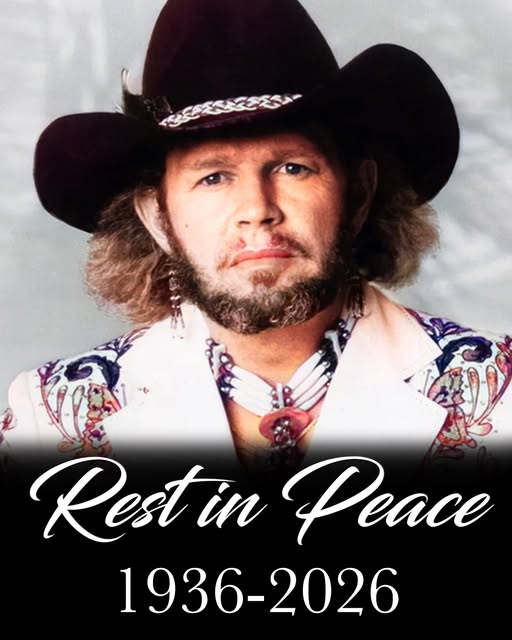
David Allan Coe, Outlaw Country Singer and Songwriter, Dies at 86
A Distinctive Voice in Country Music
Country music has lost one of its most recognizable and uncompromising voices.
David Allan Coe, the outlaw country figure known for songs including “You Never Even Called Me by My Name,” has died at the age of 86.
His death was confirmed on Wednesday, April 29. At the time his passing was confirmed, no cause of death had been announced.
Coe’s career stretched across decades and included commercial success, devoted fans, controversy, legal troubles, and a lasting place in the history of outlaw country.
He was known for a musical identity that blended country, blues, and rock, along with a deep, raspy baritone voice that made his recordings instantly recognizable.
For many listeners, Coe represented a rough-edged version of country music that stood apart from the cleaner, more controlled traditions of Nashville.
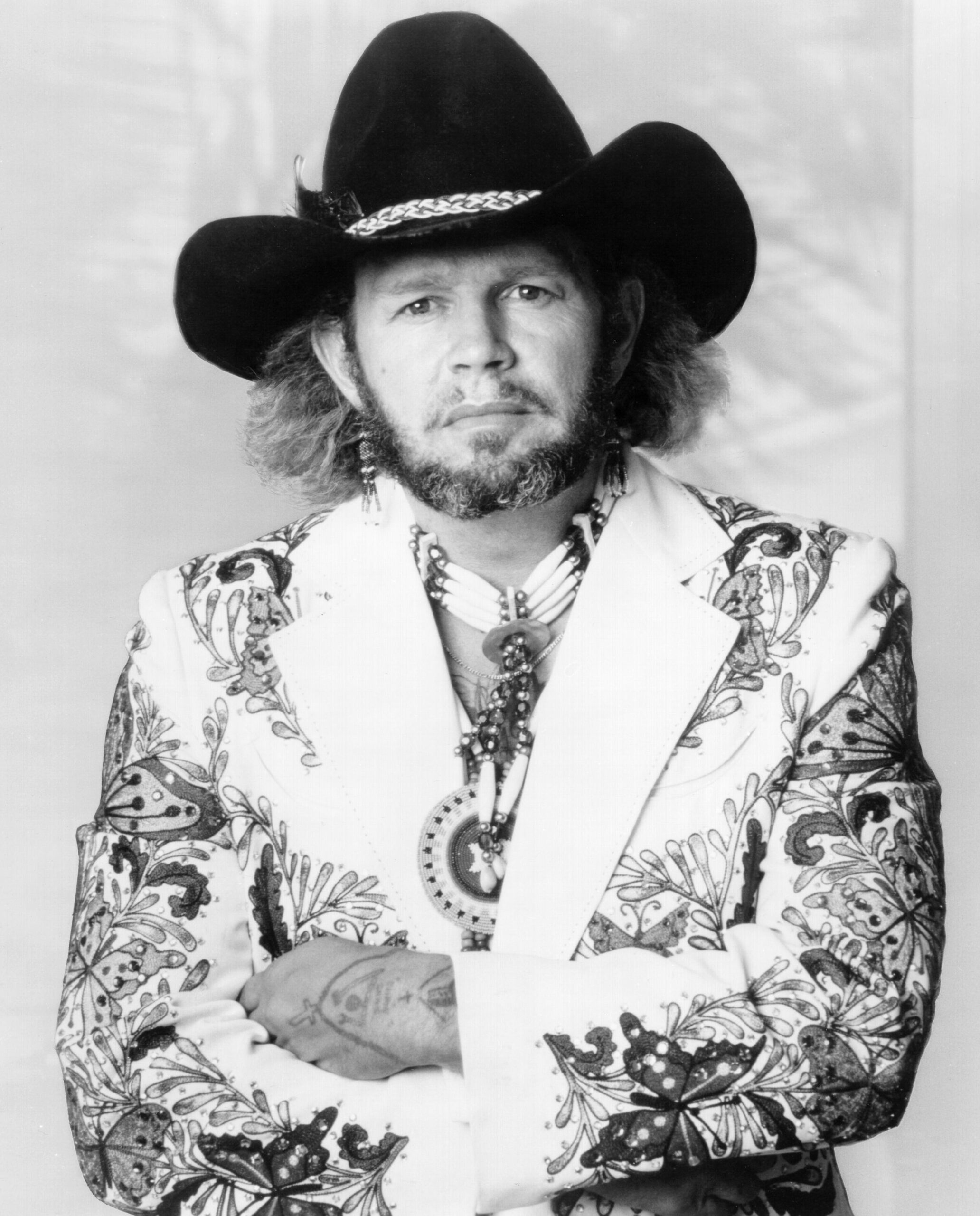
Early Life in Akron
David Allan Coe was born on September 6, 1939, in Akron, Ohio.
His early life was far from ordinary. He spent much of his youth moving in and out of correctional facilities, experiences that later became part of the public image surrounding him.
Those years helped shape the rebellious outsider identity that followed him throughout his career.
In time, that image became closely connected to his music. Coe did not present himself as a polished country star or a conventional entertainer.
Instead, he built a persona around struggle, defiance, rough experience, and life outside accepted boundaries.
That background became one of the forces behind the outlaw country label often attached to his name.
A Move to Nashville
Coe arrived in Nashville in 1967, but success did not happen immediately.
Like many artists who came to the city hoping to make a name in country music, he had to work his way into the industry.
His first major breakthrough came not as a performer, but as a songwriter.
In 1973, Tanya Tucker took “Would You Lay With Me (In a Field of Stone)” to No. 1, giving Coe an important early success and opening doors for his own recording career.
That achievement helped establish him as a serious writer and led to a deal with Columbia Records.
It also showed that his work could connect with major country audiences, even before he became widely known as a recording artist in his own right.
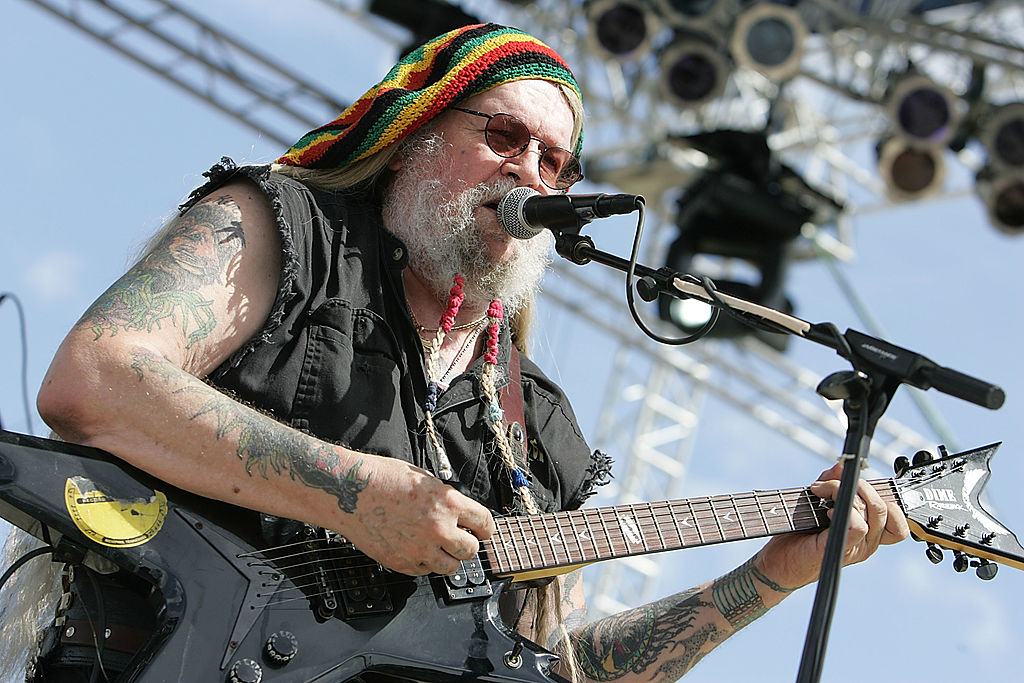
Stepping Into the Spotlight
By 1974, Coe moved further into the public eye with the release of his debut album The Mysterious Rhinestone Cowboy.
The album helped introduce him as a performer with a distinctive personality and style.
He was not simply another country singer chasing mainstream acceptance. His presentation was bold, unusual, and connected to the outsider image that would define much of his career.
A year later, he released Once Upon a Rhyme, the album that included his signature song, “You Never Even Called Me by My Name.”
The song became one of the defining tracks of his career and one of the most widely remembered pieces in his catalog.
Its humor, self-awareness, and country music references helped make it a standout recording.
The Signature Song
“You Never Even Called Me by My Name” became strongly associated with Coe’s public identity.
The song is remembered not only for its melody and delivery, but also for its spoken-word section and its playful commentary on country music itself.
In the track, Coe famously calls it “the perfect country and western song.”
That line became one of the most recognizable moments in the recording and reflected the mixture of sincerity and humor that marked parts of his work.
The song also included a self-referential lyric that helped build his own legend.
He sang, “But the only time I know I’ll hear ‘David Allan Coe’ / Is when Jesus has His final judgment day.”
That willingness to place his own name and mythology into his music became one of the traits that made him memorable.
A Self-Made Outlaw Image
Coe’s songs often leaned into his reputation as an outsider.
He wrote and performed with a style that placed him near the center of outlaw country, a movement connected to artists who pushed against the smoother conventions of mainstream Nashville.
His self-referential approach appeared in songs such as “Longhaired Redneck,” “Willie, Waylon and Me,” and “Son of the South.”
These songs helped build an image of Coe as someone who understood country music tradition but also challenged its boundaries.
His identity was tied to defiance, humor, pride, and a willingness to provoke.
For fans, that made him authentic and unforgettable. For critics, it sometimes made him difficult and controversial.
Musical Style and Sound
David Allan Coe’s music did not fit neatly into only one category.
His sound drew from country, blues, and rock, creating a style that felt raw and forceful.
His voice was one of his most important qualities. The deep, raspy baritone gave his songs a weathered tone that matched the themes of rebellion, regret, humor, and survival that often appeared in his work.
That vocal quality helped separate him from other performers of his era.
Even when singing songs with humor or irony, Coe carried a sense of lived experience. His delivery made listeners feel that the stories were coming from someone who understood hardship and defiance firsthand.
This blend of sound and identity helped him remain a distinctive figure in country music.
Commercial Success in the 1970s
Coe’s biggest commercial success came during the 1970s.
During that decade, he became known as both a performer and songwriter, building a body of work that connected with listeners drawn to outlaw country’s rougher edge.
His records from this period helped define his reputation and gave him songs that remained central to his live shows for years.
While some country artists built careers on polished radio hits, Coe’s strongest appeal came from his ability to sound unpredictable and self-made.
He projected the image of a man who had lived outside ordinary rules and turned that experience into music.
That image was not separate from the songs. It became part of how fans understood them.
A Comeback With Castles in the Sand
Although the 1970s brought his greatest commercial impact, Coe continued to prove his staying power in later years.
In 1983, he returned strongly with Castles in the Sand.
The album included “The Ride,” a song that became a fan favorite and helped introduce him to listeners who followed his career beyond his early peak.
The comeback showed that Coe’s appeal had not disappeared with the passing of the outlaw country movement’s most commercially visible years.
He remained a performer capable of drawing attention and connecting with a loyal audience.
For many fans, “The Ride” became another essential part of his legacy, standing alongside the better-known songs that first made him famous.
A Songwriter Behind Other Major Hits
Coe’s influence was not limited to his own recordings.
He also wrote “Take This Job and Shove It,” which became a No. 1 hit for Johnny Paycheck.
The song became a blue-collar anthem, capturing frustration, defiance, and the desire to reject mistreatment at work.
Its title alone became part of popular culture, remembered well beyond its original chart success.
That song’s impact helped demonstrate Coe’s skill as a writer. He could create material that fit another artist while still carrying the rebellious spirit that defined his own work.
The success of “Take This Job and Shove It” added another major achievement to his career and expanded his influence within country music.
A Devoted Stage Performer
Even in his later years, Coe never fully stepped away from performing.
He continued releasing music and appearing on stage for fans who remained devoted to his work.
His concerts kept him connected to the audience that embraced his outsider image and celebrated his best-known songs.
For many artists, aging brings a retreat from the stage. Coe, however, remained tied to live performance as part of his identity.
The stage gave him a place to keep the songs alive and to maintain direct contact with listeners who had followed him for decades.
That endurance became part of his reputation. He was not only a figure from country music’s past, but an artist who continued performing long after his biggest commercial hits.
A Complex and Controversial Legacy
David Allan Coe’s legacy is not simple.
Alongside his influence and achievements, he faced major criticism for controversial material released during his career.
Albums such as Nothing Sacred, released in 1978, and Underground Album, released in 1982, included racial slurs and misogynistic language.
Those recordings generated heavy backlash and remained a lasting source of criticism.
Coe later defended the work as parody, but that explanation did not erase the controversy surrounding the material.
For many listeners and critics, those albums complicated any discussion of his place in country music. His career cannot be understood only through his hits or his outlaw image. It also includes the criticism and offense caused by parts of his catalog.
Controversy That Never Fully Faded
The backlash over Coe’s most controversial work followed him for years.
Even as fans celebrated his songwriting and stage presence, critics continued to point to the language and themes in those albums.
That tension became part of the way his career was discussed.
Some supporters focused on his humor, rebellion, and willingness to push boundaries. Others argued that certain material crossed lines that could not be excused as provocation or parody.
This divide made Coe one of the more complicated figures in outlaw country history.
His legacy includes important contributions to songwriting and performance, but it also includes the consequences of work that many found deeply offensive.
Legal Trouble Later in Life
Coe also faced legal problems later in life.
In 2015, he pleaded guilty to obstructing IRS laws.
The following year, he was sentenced to three years of probation and ordered to pay nearly $1 million in back taxes.
The case added another difficult chapter to a life already marked by conflict, rebellion, and public scrutiny.
Legal trouble had been part of his early history, and the later tax case reinforced the complicated nature of his public image.
Even as he remained a respected figure among many outlaw country fans, his life outside music continued to draw attention.
Personal Life and Family
David Allan Coe’s personal life included several marriages.
In 2010, he married his sixth wife, Kimberly Hastings.
He is survived by Kimberly and his children.
His family life, like his career, existed alongside the public stories that surrounded his music, legal issues, and reputation.
Through decades of fame, controversy, and performance, Coe remained a figure whose personal and professional identity were often closely linked.
His name carried associations with outlaw country, rebellion, songwriting, controversy, and survival.
An Artist Who Shaped Outlaw Country
David Allan Coe’s influence on outlaw country remains significant.
He helped define a strand of country music that valued rough edges, personal mythology, and resistance to polished convention.
His songs reflected humor, defiance, self-awareness, and a willingness to embrace an outsider role.
At his best, he wrote music that connected deeply with people who felt ignored, frustrated, or drawn to country music’s rebellious side.
Songs such as “You Never Even Called Me by My Name,” “Longhaired Redneck,” “Willie, Waylon and Me,” “Son of the South,” “The Ride,” and “Take This Job and Shove It” helped secure his place in the genre’s history.
His contributions as both a performer and songwriter ensured that his impact extended beyond one recording or one decade.
A Career Marked by Reinvention
Coe’s career included several phases.
He began as a songwriter looking for a place in Nashville, became a recording artist with a bold public image, found commercial success in the 1970s, returned with renewed attention in the 1980s, and continued performing into his later years.
Each stage added to the larger story of his life.
His ability to remain visible across decades showed resilience and a strong connection with his audience.
Even when his chart success slowed, his reputation endured. Fans continued to attend shows, listen to his recordings, and regard him as a central figure in outlaw country.
That staying power is one of the reasons his death has drawn strong attention from country music listeners.
The End of an Era
David Allan Coe’s death at 86 marks the passing of a major figure from a raw and rebellious period in country music.
He was not a conventional star, and his career was never free of controversy.
That complexity is part of the story. Coe’s music, image, and public life all carried contradictions.
He could be humorous, self-aware, influential, provocative, and divisive. He could write songs that became anthems while also releasing material that drew serious criticism.
His career reflected both the power and the risks of building a persona around rebellion.
For country music, his passing closes another chapter in the history of outlaw artists who challenged Nashville’s traditional boundaries.
A Legacy Both Celebrated and Debated
David Allan Coe leaves behind a legacy that will continue to be discussed from multiple perspectives.
His fans will remember the voice, the songs, the stage presence, and the outsider spirit that made him one of country music’s most unmistakable figures.
Critics will also remember the controversial recordings and public issues that complicated his reputation.
Both parts of that history are essential to understanding his career.
He was a songwriter whose work reached No. 1 through other artists, a performer whose own songs became outlaw country staples, and a public figure whose choices often sparked debate.
His death brings renewed attention to a life that was never simple, never quiet, and never easily separated from the myths he helped create around himself.
Remembering David Allan Coe
David Allan Coe’s story began in Akron, moved through a difficult youth, and eventually carried him to Nashville, where he built a career that influenced generations of country fans and performers.
His voice, described as a deep and raspy baritone, gave his songs a rugged identity that matched his reputation.
His writing helped produce major hits, and his recordings became part of the outlaw country songbook.
At the same time, his legacy remains marked by controversy, criticism, and legal trouble.
That combination makes him one of the most complex figures in country music history.
David Allan Coe died at 86, leaving behind songs that continue to be played, debated, remembered, and examined as part of the larger story of American country music.