
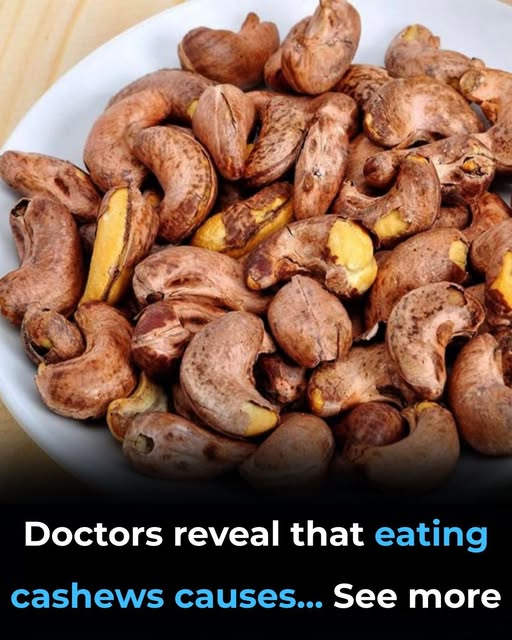
Cashews are more than a tasty snack—they’re nutritional powerhouses packed with essential vitamins, minerals, and healthy fats. Including cashews in a balanced diet can support overall health, particularly heart, bone, and metabolic wellness. Here’s what science reveals about these versatile nuts.
Nutritional Power of Cashews
Cashews contain a variety of nutrients that contribute to overall well-being:
Healthy Fats: Rich in monounsaturated fats, cashews help support heart health and maintain healthy cholesterol levels.
Magnesium: Essential for muscle function, nerve signaling, and bone strength.
Copper and Zinc: Crucial for immune system support, metabolism, and antioxidant defense.
Protein and Fiber: Plant-based protein aids muscle maintenance, while fiber supports digestion and satiety.
Research consistently shows that regular nut consumption, including cashews, is associated with:
Lower risk of heart disease
Improved cholesterol profiles
Better blood sugar control
Reduced inflammation
The American Heart Association recommends consuming four to five servings of nuts per week as part of a heart-healthy diet, highlighting the role of cashews in cardiovascular wellness.
When Cashews May Require Caution
While generally safe for most people, there are specific situations where cashews should be consumed carefully:
1. Allergies
Cashews are tree nuts and a common allergen. Reactions can range from mild hives to life-threatening anaphylaxis. Anyone with a tree nut allergy should avoid cashews entirely.
2. Digestive Issues
Cashews contain fermentable fibers that may cause gas or bloating in sensitive individuals, particularly those with irritable bowel syndrome (IBS). Limiting intake to small portions—about a quarter cup per serving—can help prevent discomfort.
3. Oxalate Content
Cashews have moderate oxalate levels, which may increase the risk of calcium-oxalate kidney stones in susceptible individuals. People with a history of oxalate stones should monitor their intake and stay well-hydrated. For most people, this is not a concern.
4. Raw Cashews Are Toxic
Truly raw cashews contain urushiol, the same compound found in poison ivy. All cashews labeled as “raw” in stores have been steamed or roasted to remove this toxin, making them safe to eat. Unprocessed raw cashews should never be consumed.
Common Myths About Cashews
Several misconceptions surround cashews, but research does not support these claims:
“Cashews cause weight gain” → False. Moderate nut consumption is linked to better weight management because they promote satiety.
“Cashews raise cholesterol” → False. Cashews may actually help lower LDL (“bad”) cholesterol while supporting HDL (“good”) cholesterol.
“Cashews cause acne” → Unproven. Acne is influenced by multiple factors, and there is no strong evidence linking cashew consumption to breakouts.
How to Include Cashews in Your Diet
Incorporating cashews is simple and versatile:
Snack on a small handful (about ¼ cup) for a nutrient-packed treat.
Add chopped cashews to salads, stir-fries, or oatmeal for added texture and flavor.
Blend into sauces, nut butters, or plant-based milks for creamy consistency.
Eating cashews in moderation allows you to enjoy their nutritional benefits without overconsumption or digestive issues.
Cashews are more than just a snack—they’re a heart-healthy, nutrient-rich addition to any balanced diet, offering essential minerals, protein, and healthy fats while fitting easily into meals and recipes.