
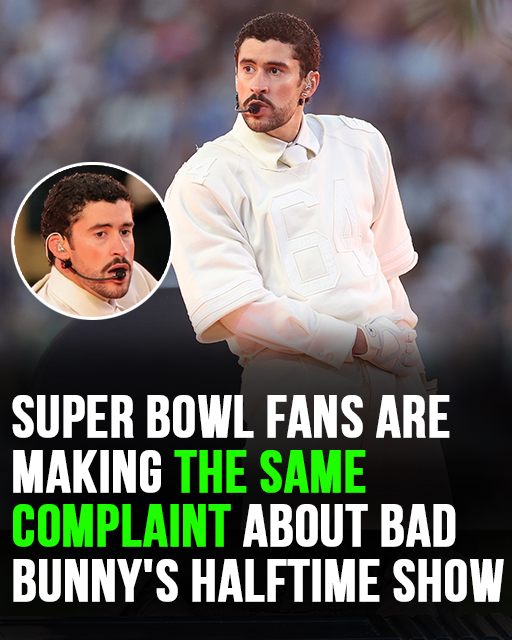
Bad Bunny’s Super Bowl LX Halftime Show Ignites Debate Over Language, Culture, and Tradition
Bad Bunny closed the Super Bowl LX halftime show with a performance that blended explosive energy, bold visuals, and a clear cultural message. The global music star stepped onto one of the most visible stages in entertainment under intense scrutiny, following weeks of public debate about his selection for the event.
From the opening sequence to the final moments, the performance unfolded with confidence and precision. Supporters saw exactly what they expected: a fast-moving, visually striking show that stayed firmly rooted in the artist’s identity. At the same time, the event reignited broader arguments about language, representation, and what audiences expect from the Super Bowl halftime tradition.
The halftime show quickly became one of the most discussed moments of the night, drawing reactions that extended far beyond music or choreography.
Unusual Scrutiny Before Kickoff
Every Super Bowl halftime show attracts attention, but Bad Bunny’s appearance came with heightened scrutiny well before the game began. Discussion surrounding the performer intensified weeks ahead of Super Bowl LX, setting the stage for a polarizing reception.
A central focus of the controversy was the expectation that Bad Bunny would perform primarily in Spanish. For some critics, this detail alone became a point of contention.
Those reactions were amplified by the artist’s decision the previous year to cancel certain U.S. performances over concerns related to potential ICE raids at his shows. That decision resurfaced during halftime discussions, with critics questioning both his suitability for the event and the broader implications of his presence.
As a result, anticipation for the halftime show became intertwined with cultural and political debate rather than remaining focused solely on entertainment.
Pushback and a Parallel Event
Opposition to Bad Bunny’s selection extended beyond online commentary. Turning Point USA publicly expressed disapproval of his involvement in the halftime show.
The organization specifically objected to the possibility of a Spanish-language performance during the Super Bowl broadcast. In response, it organized a separate event described as an “All-American” alternative.
That event featured Kid Rock as the main performer and positioned itself as a counterpoint to the official halftime show.
The move highlighted how sharply divided opinions had become, transforming what is traditionally framed as a unifying entertainment segment into a cultural flashpoint.
A Performer With Global Reach
Despite the controversy, Bad Bunny entered the halftime show as one of the most successful music artists of his generation. His global popularity, record-breaking tours, and widespread recognition positioned him as a powerful draw for audiences worldwide.
Supporters pointed to his ability to sell out stadiums and dominate charts as evidence that his selection reflected the evolving landscape of popular music.
That global influence ensured that the halftime show would be closely watched, regardless of differing opinions.
Even before the first note was played, it was clear that his appearance would dominate post-game conversation.
A High-Energy Showcase in Santa Clara
The halftime show took place at Levi’s Stadium in Santa Clara, California, where Bad Bunny delivered a set designed to command attention from the outset.
The performance emphasized movement and momentum, driven by rapid choreography and bold stage design. The pacing left little room for pause, keeping the stadium atmosphere charged throughout.
A surprise appearance by Lady Gaga added another layer of spectacle. Her involvement elevated the moment and expanded the show’s star power.
Together, the performers delivered a presentation that many viewers described as electrifying, reinforcing the halftime show’s reputation as a cultural centerpiece of the Super Bowl.
Language Becomes the Focal Point
While production values and energy drew praise from many fans, the dominant point of contention quickly centered on language.
As expected, Bad Bunny performed primarily in Spanish. For supporters, this choice reflected authenticity and artistic integrity.
For detractors, it became the defining issue of the performance. Social media platforms filled with real-time reactions from viewers who expressed frustration over their inability to understand the lyrics.
Within minutes, online discussion shifted away from choreography and visuals, focusing almost entirely on language.
Immediate Online Reactions
As the halftime show aired, critical commentary spread rapidly across social platforms. Some viewers framed their responses around confusion or irritation rather than artistic judgment.
One viewer wrote, ““Couldn’t understand anything he was saying. Is there going to be a translator on stage with him?””
Another comment read, “Should I turn subtitles on in English? Unsure what to do here.”
These remarks reflected a broader sentiment among viewers who felt disconnected from the performance due to the language barrier.
Wider Cultural Concerns Surface
Beyond individual complaints, some reactions framed the issue as a larger cultural concern.
One comment stated, “I understand that America is a melting pot of different countries but having Bad Bunny perform at the Super Bowl entirely in Spanish makes no sense.”
This response suggested that for certain viewers, expectations of the halftime show were closely tied to English-language performance norms.
Such remarks illustrated how entertainment events can become platforms for debates about national identity and inclusion.
More Blunt Expressions of Discontent
Other reactions were more direct and emotionally charged.
One particularly critical comment read, “Literally the worst @NFL#SuperBowl halftime shows of all time. My kids asked me why I was watching “the Spanish channel”.”
This response highlighted how strongly some viewers reacted to the performance’s language choice.
The framing suggested that the departure from English-language norms disrupted their expectations of the Super Bowl broadcast.
Nuanced Criticism Among Viewers
Not all negative reactions carried hostility toward the artist himself.
Some viewers made a distinction between their personal language limitations and the quality of the performance.
One comment read, “I guess if I spoke Spanish, I could’ve enjoyed halftime. No hate towards Bad Bunny. I just don’t speak Spanish.”
This response reflected a more measured perspective, acknowledging the artist’s appeal while expressing personal disconnect.
Such comments demonstrated that reactions varied widely in tone, even among those who did not enjoy the performance.
A Performance Reflecting Cultural Shifts
The intense reaction to Bad Bunny’s halftime show underscored how entertainment events can mirror broader cultural conversations.
Language, representation, and visibility became central themes, whether viewers embraced or rejected them.
For supporters, the performance symbolized the global reach of modern music and the growing presence of non-English-language artists on mainstream stages.
For critics, it raised questions about accessibility and tradition within one of the most widely watched events in American sports.
Debate That Outlasted the Game
As Super Bowl LX concluded, discussion around the halftime show showed no sign of slowing.
Online conversations continued long after the final whistle, with supporters praising the show’s energy and authenticity while detractors revisited their objections.
The performance became a focal point in broader discussions about who the Super Bowl is for and how its traditions evolve over time.
In that sense, the halftime show extended its impact well beyond its allotted minutes.
A Moment That Defined the Night
What remained undeniable was the level of attention the performance commanded.
Few halftime shows generate such sustained and polarized discussion, and even fewer do so primarily around language and cultural identity.
Whether viewed as groundbreaking or controversial, Bad Bunny’s appearance ensured that Super Bowl LX would be remembered for more than the action on the field.
The halftime show became a reflection of modern pop culture, where global influence and diverse expression increasingly share space with long-standing expectations.
In the end, the performance did exactly what the halftime show often does at its most impactful: it sparked conversation, challenged assumptions, and left a lasting impression that extended far beyond the final note.