
The Return of the Hip: How the Bum Roll Is Reshaping Modern Fashion
The hips have reentered the fashion spotlight with striking clarity, and their presence is neither subtle nor accidental. Across runways, red carpets, editorial spreads, and digital platforms, exaggerated hip silhouettes are asserting themselves as a defining visual statement. What was once a hidden structural element buried beneath layers of fabric has returned as a visible, intentional feature that invites attention and debate.
Central to this resurgence is the bum roll, a padded accessory with roots in 16th-century dress. Historically designed to sit beneath gowns and support heavy skirts, the bum roll shaped clothing according to the ideals of its era without ever being seen. In contemporary fashion, that logic has been reversed. The bum roll is no longer concealed. It is displayed, emphasized, and deliberately framed as part of the overall design.
This shift reflects a broader trend in which fashion revisits historical forms and reinterprets them through a modern lens. Yet the bum roll’s return stands out because of how openly it challenges assumptions about beauty, proportion, and authenticity. By moving from invisibility to prominence, it transforms from a functional undergarment into a cultural statement.
The Historical Roots of the Bum Roll
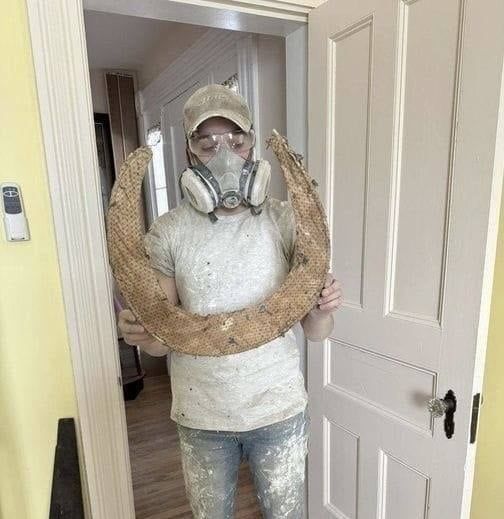
The bum roll first appeared in European fashion during the late Renaissance, particularly in the 1500s. It was worn primarily by women of higher social status and consisted of a padded roll, often crescent-shaped or cylindrical, tied around the waist and positioned over the hips.
The purpose of this accessory was to push skirts outward, creating a wide, bell-shaped silhouette. This exaggerated form was not merely aesthetic. It carried social significance. Large skirts required substantial amounts of fabric, which was expensive and therefore associated with wealth and status.
The resulting silhouette became a visual marker of privilege. Broad hips and expansive skirts communicated access to resources and alignment with contemporary ideals of femininity. Clothing, in this context, was a social language as much as a personal one.
Unlike corsets, which compressed and reshaped the body itself, the bum roll worked externally. It altered the outline of garments rather than the anatomy beneath them. Its function was structural and architectural, providing support and shape without permanently affecting the wearer’s body.
As fashion evolved, the bum roll gradually fell out of favor. Other structural garments such as panniers, crinolines, and bustles replaced it, each reflecting changing tastes and ideals of proportion. Over time, the bum roll became largely absent from everyday dress, surviving mainly in costume design and historical reenactments.
From Concealment to Visibility
The modern reemergence of the bum roll coincides with a renewed interest in exaggerated silhouettes and sculptural fashion. In recent years, designers have increasingly moved away from understated minimalism toward bold forms that emphasize volume, padding, and unconventional proportions.
Oversized shoulders, dramatic sleeves, cinched waists, and structured hips have all gained prominence. Within this context, the bum roll fits naturally, offering a way to reshape the body’s outline through construction rather than tailoring alone.
What distinguishes contemporary interpretations from historical ones is visibility. Instead of being hidden beneath layers of fabric, the padding is now intentionally revealed. Designers integrate hip padding into fitted dresses, sheer materials, molded garments, and detachable components that draw attention to the hips.
The result is a silhouette that feels both referential and modern. It nods to history while embracing current conversations about artifice, performance, and self-expression.
Temporary Transformation and Choice
One reason the bum roll resonates today is its alignment with fashion’s growing emphasis on reversible transformation. Padding allows wearers to experiment with shape without permanence. Much like wigs, makeup, or prosthetic elements, it offers a way to explore different identities and forms temporarily.
This flexibility reframes the relationship between clothing and the body. Rather than striving to achieve a fixed ideal, fashion becomes a tool for exploration. The bum roll, in this sense, is less about enforcing a specific silhouette and more about offering options.
The wearer can choose the degree of exaggeration. The padding can be subtle or dramatic, integrated or detachable. This range allows individuals to engage with the silhouette on their own terms, making it participatory rather than prescriptive.
Challenging Ideas of Beauty and Naturalness
The visible construction of modern bum rolls has sparked discussion about beauty standards and the illusion of natural form. Historically, structural garments were designed to create the appearance of an idealized body while concealing the means by which that illusion was achieved.
Contemporary designers take a different approach. By making padding and structure obvious, they draw attention to the artificial nature of silhouette manipulation. This transparency changes the conversation.
Rather than suggesting that certain body shapes are inherently desirable, visible padding acknowledges that fashion has always relied on design and construction. The emphasis shifts from appearing natural to recognizing clothing as an art form.
In doing so, the bum roll becomes a commentary on how ideals are built. It highlights that silhouettes are created, not discovered, and that beauty standards are shaped by culture, technology, and choice.
Debate and Diverging Interpretations
As with many bold fashion movements, the revival of the bum roll has generated mixed reactions. Some critics view exaggerated hip padding as impractical or excessive, questioning its relevance outside conceptual or editorial settings.
There are also concerns that revisiting historical silhouettes could echo outdated ideas about femininity or objectification. From this perspective, emphasizing hips may feel like a return to restrictive or reductive norms.
Others interpret the trend differently. Supporters argue that by making construction visible, designers undermine traditional beauty standards rather than reinforcing them. The emphasis on artifice becomes a form of critique.
This divergence underscores fashion’s role as a cultural mirror. A single garment can carry multiple meanings depending on context, intention, and execution. The modern bum roll occupies this ambiguous space, inviting interpretation rather than offering a definitive message.
Expanding Beyond Gendered Silhouettes
One of the most notable aspects of the bum roll’s contemporary use is its appearance beyond traditional women’s fashion. Designers have begun incorporating exaggerated hip structures into gender-neutral collections and menswear as well.
This expansion challenges the idea that curves or padded hips belong exclusively to female bodies. By applying these forms across different genders, fashion questions long-standing associations between shape and identity.
Volume in clothing often translates to presence. Wide silhouettes take up space and command attention. In this sense, exaggerated hips carry symbolic weight, suggesting confidence, defiance, or authority.
Through this lens, the bum roll becomes a statement about visibility and self-definition. It raises questions about who is allowed to occupy space and how clothing communicates power.
From Runway Experiment to Everyday Influence
While the most dramatic expressions of the bum roll appear in high-fashion contexts, its influence extends beyond the runway. Elements of the trend have filtered into ready-to-wear collections and everyday styling.
Subtle hip padding and structured tailoring offer restrained interpretations. These designs enhance proportion without overt exaggeration, making them more accessible for daily wear.
At the other end of the spectrum, some designers embrace full theatricality, using pronounced padding to transform the body into a sculptural form. Both approaches coexist, reflecting the versatility of the silhouette.
Modern materials play a crucial role in this evolution. Foam, mesh, neoprene, and recycled textiles give contemporary bum rolls a distinctly modern character, aligning them with current experimentation in fabric technology.
The Body as a Shaped Surface
At its core, the bum roll’s revival reinforces the idea that the body in fashion is not fixed. Clothing, padding, and structure continuously reshape how the body is perceived.
Rather than concealing perceived flaws or chasing a singular ideal, exaggerated silhouettes embrace transformation. They acknowledge that fashion has always altered posture, proportion, and outline.
Just as shoes change gait and makeup shifts facial emphasis, padding reshapes the body’s silhouette. The difference now is transparency. The process is visible, and the choice is explicit.
Each iteration of the bum roll represents a deliberate decision. It can enhance subtly, transform dramatically, or provoke intentionally. The wearer controls the narrative.
Revisiting History to Address the Present
The return of the bum roll illustrates a recurring pattern in fashion. Styles rarely disappear entirely. Instead, they resurface, recontextualized by new values and perspectives.
What once symbolized wealth and hierarchy now serves as a medium for creativity and commentary. By revisiting historical garments, designers engage in a dialogue between past and present.
The bum roll’s transition from hidden undergarment to visible feature exemplifies this process. It is not about recreating history, but about reinterpreting it.
In its modern form, the bum roll becomes a way to question how bodies are shaped, who defines beauty, and how clothing communicates meaning.
Conclusion
The contemporary revival of the bum roll is more than a passing trend. It reflects fashion’s ability to reinterpret history, challenge conventions, and spark conversation.
By bringing exaggerated hips back into view, designers encourage a reconsideration of long-held assumptions about form, authenticity, and identity. The bum roll now exists across a wide spectrum, from conceptual runway pieces to subtle everyday adaptations.
Its return demonstrates that innovation often begins with reexamination. Even elements once relegated to the past can gain new relevance when viewed through a modern lens.
Today’s bum roll is not a relic. It is a statement, shaped by contemporary materials, evolving values, and a renewed willingness to question how fashion defines the body.