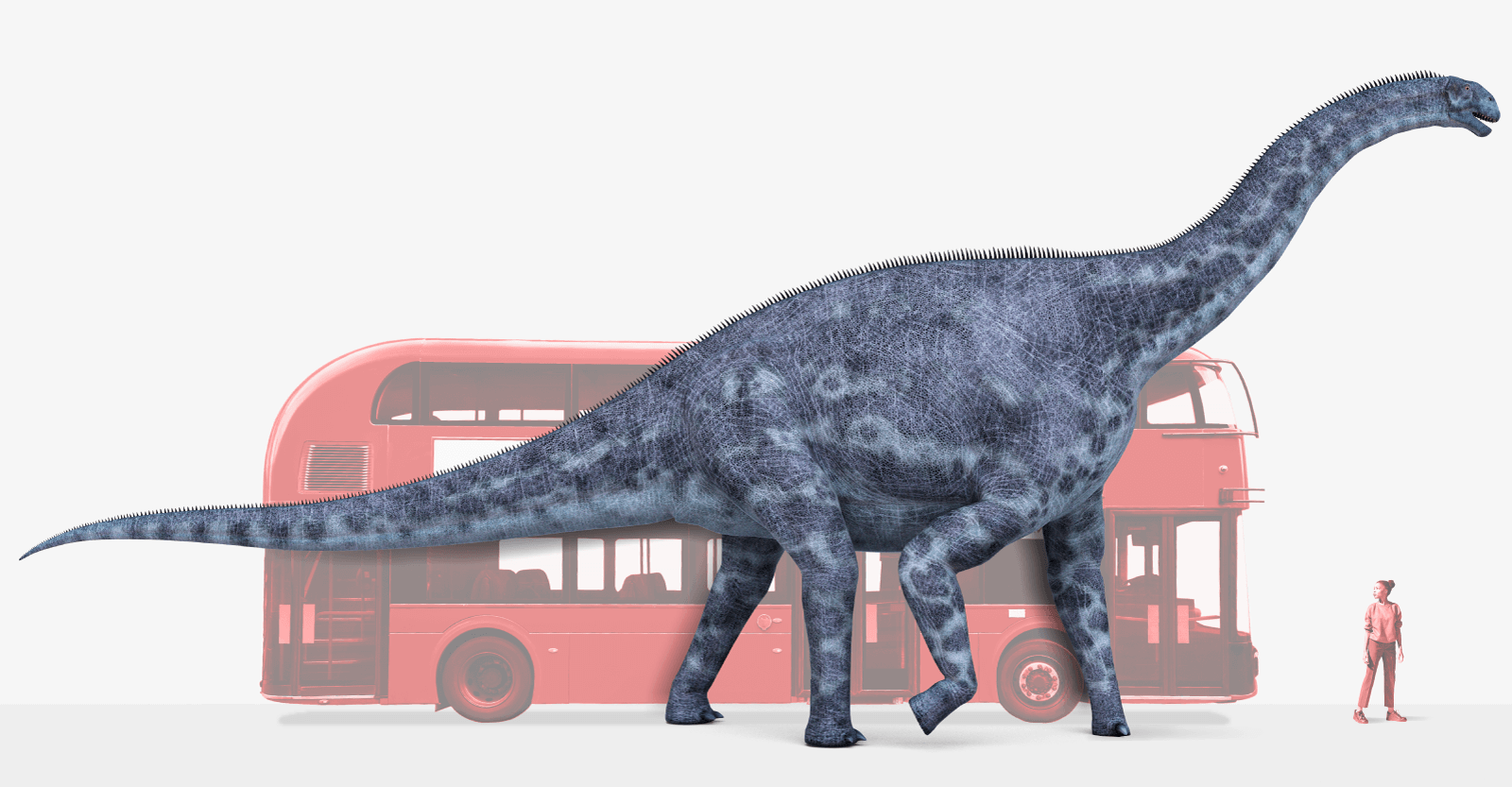
A rare and extraordinary discovery has been unearthed in Oxfordshire, where palaeontologists have revealed one of the longest dinosaur trackways ever found. Beneath layers of ancient limestone at Dewars Farm Quarry, researchers uncovered a vast network of fossilized footprints dating back 166 million years, offering a direct link to the colossal creatures that once roamed Britain during the Jurassic Period.
Teams of scientists from across the United Kingdom spent the summer carefully excavating the site, uncovering massive imprints left by sauropod dinosaurs—gigantic, long-necked plant eaters believed to be of the species Cetiosaurus. These animals, which could grow up to 18 meters long, once moved in herds across what was then a tropical landscape near the equator.
Emma Nicholls of Oxford University’s Museum of Natural History described the scale of the find as “breathtaking,” noting that each footprint measures roughly one meter across. The sauropod trackway stretches an astonishing 220 meters across the quarry floor, forming what scientists are calling a “dinosaur superhighway.” The impressions show a steady, deliberate walking pace, with back feet falling precisely into the hollows made by the front ones—evidence of a smooth and methodical gait.
Smaller three-toed prints found nearby were made by Megalosaurus, a nine-meter-long predator and one of the earliest carnivorous dinosaurs discovered in England. The coexistence of the two species’ tracks suggests they once shared this terrain, possibly within days or weeks of one another.
Excavation at Dewars Farm Quarry has transformed this industrial site into one of the UK’s most scientifically important palaeontological locations. As researchers continue to uncover new layers of rock, they are quite literally walking in the footsteps of ancient giants—preserved for over 160 million years beneath the Oxfordshire countryside.