
Dark Neck Patches May Signal Early Health Issues
Common Misconceptions About Skin Changes
Many people notice dark patches on the back of their neck and assume they are simply dirt or grime. They scrub harder, try different soaps, or even worry about hygiene. Yet doctors warn that these patches could indicate a deeper health concern.
Often, people do not realize the significance of these skin changes until years later. These subtle signs may be one of the earliest indicators that the body is struggling to regulate blood sugar.
Recognizing Acanthosis Nigricans
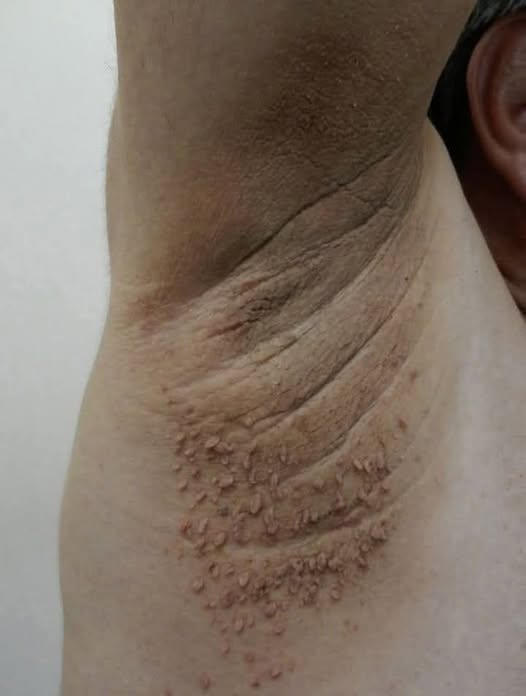
The skin condition behind these patches is called Acanthosis Nigricans. It appears as dark, thick, velvety skin and is often mistaken for dirt. Common areas affected include the back of the neck, under the arms, the groin, and skin folds or creases.
Unlike ordinary dirt or dead skin, these patches do not disappear with washing or scrubbing because they are not caused by hygiene issues. Instead, they often reflect changes happening inside the body.
Why Doctors Take Notice
Acanthosis Nigricans is frequently associated with insulin resistance, a condition in which the body’s cells do not respond properly to insulin. This can make blood sugar regulation more difficult and, over time, increase the risk of developing prediabetes, Type 2 diabetes, metabolic syndrome, and obesity-related complications.
In some cases, these skin changes appear years before a diabetes diagnosis. Doctors consider the presence of these patches an important warning sign that warrants medical evaluation.
Impact on Children and Teenagers
The condition is not limited to adults; children and teenagers can also develop Acanthosis Nigricans. Overweight children with dark patches are at a higher risk of eventually developing Type 2 diabetes.
Parents are advised to monitor for signs such as patches that appear suddenly, darken over time, feel thick or velvety, and do not improve with normal washing. Early evaluation can help identify potential problems before they progress.
Other Conditions to Consider
Not all dark patches indicate diabetes. Other conditions, such as Terra Firma-Forme Dermatosis (TFFD), can appear similar but are harmless. TFFD typically improves when gently cleaned with 70% isopropyl alcohol.
Because appearances can be misleading, only a healthcare professional can determine the true cause. Self-diagnosis based on online images can be inaccurate and potentially delay proper care.
Symptoms to Watch For Alongside Skin Changes
Dark neck patches may require urgent attention if accompanied by symptoms such as increased thirst, frequent urination, unexplained fatigue, blurred vision, or unexpected weight changes. These signs could indicate underlying blood sugar problems that need testing and evaluation.
Recommended Actions
Early detection can make a significant difference. Healthcare professionals often recommend checking blood sugar levels, maintaining a healthy weight, following a balanced diet, staying physically active, and monitoring any changes in the skin.
Simple blood glucose screenings are available at many pharmacies and clinics, allowing for prompt assessment if there are concerns.
Understanding the Significance
While a dark patch on the neck is not always a sign of diabetes, it may signal underlying health issues. Conditions like Acanthosis Nigricans are important to recognize because they provide early clues about blood sugar regulation and metabolic health.
Ignoring persistent skin changes can delay diagnosis and treatment, making early evaluation the safest approach.
Key Takeaways
If you notice unusual skin changes that do not go away with routine cleaning, seek medical advice. A quick checkup can offer answers, peace of mind, and, if necessary, early intervention before more serious complications arise.
Often, your skin may reveal health problems before other symptoms become apparent, providing a valuable early warning system.