
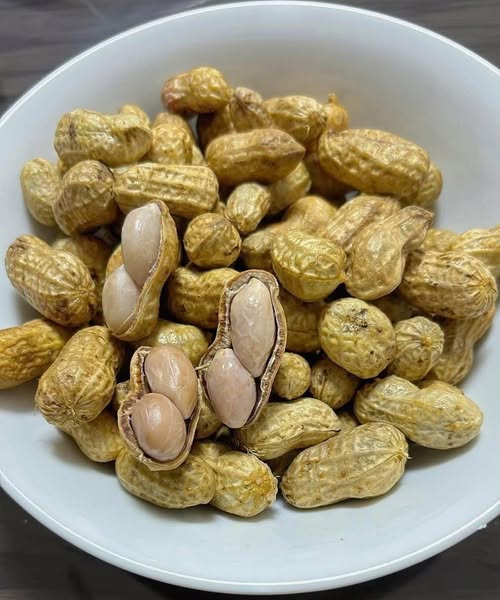
Peanuts May Support Healthy Aging After 60 When Eaten in Moderation
A Simple Food With Important Nutrients
As people age, the body begins to change in ways that can affect energy, strength, mobility, heart health, and daily comfort. After the age of 60, many adults notice changes in metabolism, muscle mass, blood pressure, blood sugar control, and overall resilience.
These changes often lead people to search for expensive supplements, special diets, or heavily promoted health foods. Yet one simple and affordable food is often overlooked: peanuts.
Peanuts are commonly treated as an ordinary snack, but they contain a useful mix of nutrients that may support healthy aging when eaten in sensible portions. Their combination of healthy fats, plant-based protein, fiber, vitamins, and minerals can make them a practical part of a balanced diet for many older adults.
They are not a miracle food and cannot replace medical care, physical activity, or an overall healthy lifestyle. However, when prepared properly and eaten in moderation, peanuts can contribute to several areas of health that become especially important later in life.
Why Nutrition Changes After 60
The years after 60 often bring gradual shifts in the way the body uses and stores energy. Metabolism may slow, appetite may change, and maintaining muscle can become more difficult.
Blood pressure and blood sugar regulation may also become more sensitive with age. These changes can increase the importance of choosing foods that provide steady energy and meaningful nutrition.
Older adults may also need to pay closer attention to protein, fiber, healthy fats, and minerals. These nutrients help support strength, digestion, heart function, and overall well-being.
Peanuts are valuable because they provide several of these nutrients in one affordable food. A small serving can add protein, fats, fiber, magnesium, phosphorus, vitamin E, and niacin to the diet.
This does not mean peanuts should be eaten without limits. Their benefits are strongest when they are part of a balanced eating pattern and consumed in appropriate amounts.
Support for Heart and Blood Vessel Health
Cardiovascular health becomes one of the major concerns after age 60. As the heart and blood vessels age, the risk of high blood pressure, cholesterol problems, heart disease, and stroke can increase.
Diet can strongly influence these risks. Some foods may worsen cardiovascular strain, while others can support healthier circulation when included wisely.
Peanuts contain monounsaturated and polyunsaturated fats. These are often described as healthy fats because they can be better for the heart than saturated fats commonly found in fatty meats and many processed foods.
When healthy fats are used in place of less beneficial fats, they may help support better cholesterol balance. In particular, they may help reduce LDL cholesterol levels as part of an overall heart-conscious diet.
Unlike unhealthy trans fats, the fats found naturally in peanuts can fit into a dietary pattern that supports circulation. They may also help reduce inflammation linked with cardiovascular disease.
For older adults, this makes peanuts a useful option when replacing snacks that are high in refined carbohydrates, unhealthy fats, or excess sodium. The key is choosing natural or minimally processed forms.
The Role of Magnesium in Healthy Aging
Peanuts also provide magnesium, an essential mineral involved in hundreds of bodily functions. Magnesium supports muscles, nerves, blood pressure regulation, and normal heart activity.
The heart itself is a muscle, and magnesium plays a role in muscle contractions. This makes it important for healthy cardiovascular function.
Magnesium also contributes to maintaining stable blood pressure levels. Many older adults do not consume enough of this mineral, which may contribute to fatigue, muscle cramps, or additional cardiovascular strain.
Including small portions of peanuts regularly can help add magnesium to the diet in a natural way. This may be especially useful for people who struggle to get enough minerals from meals alone.
Peanuts should not be viewed as the only source of magnesium, but they can contribute to daily intake. When combined with a varied diet, they can help support the mineral balance the body needs with age.
Brain Health and Cognitive Support
Cognitive health is another concern for many adults later in life. Memory changes, slower thinking, and the possibility of neurodegenerative disease can become sources of worry.
No single food can fully prevent cognitive decline. Still, nutrition is one of many factors that may support long-term brain function.
Peanuts contain vitamin E, an antioxidant that helps protect cells from oxidative stress. Brain cells, like other cells in the body, can be affected by oxidative damage over time.
Oxidative stress happens when unstable molecules known as free radicals damage tissues. This process is associated with aging and disease processes.
By providing vitamin E, peanuts can contribute to antioxidant intake. This may help support cellular protection as part of a broader healthy lifestyle.
Peanuts also contain niacin, known as vitamin B3. Niacin plays a role in nervous system health and energy metabolism.
Adequate niacin intake may help support healthy brain function over time. Combined with movement, sleep, social connection, and mental activity, nutrient-rich foods such as peanuts can support overall cognitive wellness.
Helping Maintain Stable Blood Sugar
Blood sugar regulation becomes increasingly important after age 60. The risk of insulin resistance and type 2 diabetes rises with age, especially for people who are inactive, overweight, or genetically predisposed.
Foods that cause sharp blood sugar spikes can contribute to energy crashes and may worsen metabolic health over time. Choosing snacks that digest more slowly can help support steadier energy.
Peanuts have a relatively low glycemic index. This means they do not usually cause rapid increases in blood glucose when eaten in moderate portions.
Their effect on blood sugar is linked to their combination of healthy fats, fiber, and protein. These nutrients slow digestion and help the body release energy more gradually.
For older adults, this can be useful between meals. A small serving of peanuts may help reduce hunger and limit the desire for highly processed snacks that contain sugar and refined carbohydrates.
For people managing diabetes or prediabetes, balanced snacks with protein and fiber can be especially important. Peanuts may fit into that approach when portion size and individual dietary needs are considered carefully.
Protein for Muscles and Strength
Muscle loss is one of the most important physical challenges associated with aging. Sarcopenia, the gradual decline in muscle mass and strength, can affect mobility, balance, and independence.
When muscle loss progresses, everyday tasks can become harder. Climbing stairs, carrying groceries, standing from a chair, or walking safely may require more effort.
Protein intake plays an important role in helping slow this decline. The body needs protein for muscle repair, maintenance, and recovery.
Peanuts provide plant-based protein. They are not a full replacement for other high-quality protein sources such as fish, eggs, dairy, or legumes, but they can help support total daily protein intake.
Many older adults unintentionally eat too little protein. Appetite may decrease, meals may become smaller, or chewing difficulties may limit food choices.
Peanuts and natural peanut butter can offer a simple way to add protein without complicated preparation. This can be especially helpful for seniors who want convenient nutrition during the day.
Easy Ways to Add Protein and Calories
Natural peanut butter can be especially useful for older adults who have difficulty chewing whole nuts. It provides similar nutrients in a softer form.
Peanut butter can be spread on whole-grain toast, stirred into oatmeal, blended into smoothies, or added to yogurt. These simple additions may increase protein and calorie intake for seniors who struggle to eat enough.
Maintaining adequate calorie intake matters because low appetite can lead to weakness and unintended weight loss. For some older adults, a nutrient-dense food that is easy to eat can be helpful.
Muscle health also affects more than strength. It supports posture, balance, metabolism, recovery from illness, and overall resilience.
Adding peanuts or peanut butter to meals should still be done with moderation. They are calorie-dense, so the goal is to support nutrition without excessive intake.
Minerals That Support Bone Health
Bone health becomes another major concern with age. Bones naturally lose density over time, making fractures more likely after falls or accidents.
Calcium and vitamin D often receive the most attention when people discuss bone strength. However, other minerals also play important roles.
Peanuts contain phosphorus and magnesium. Both contribute to maintaining healthy bones.
Bone density depends on several nutrients working together. It is not maintained by one mineral alone.
Magnesium contributes to bone formation, while phosphorus helps maintain the structure of bones and teeth. Together with calcium, vitamin D, and physical activity, these nutrients can support stronger skeletal health.
Peanuts alone cannot prevent osteoporosis. Still, they can contribute to a dietary pattern that supports bone resilience over time.
Why Portion Control Matters
Despite their nutritional value, peanuts should be eaten thoughtfully. They are calorie-dense, which means a small amount contains a relatively high number of calories.
Eating too many peanuts may contribute to unwanted weight gain if total daily calorie intake becomes too high. This can be an important concern for older adults managing weight, blood pressure, joint pain, or metabolic health.
A moderate serving is usually a small handful, or about 28 grams per day. This amount can provide nutrients without adding excessive calories.
Portion control also makes peanuts easier to include consistently. A small daily serving can be more useful than eating a large amount occasionally.
Moderation is especially important when peanuts are eaten as snacks. It is easy to keep eating from a large container, so measuring or portioning them in advance can help.
Choosing the Healthiest Peanut Options
The type of peanuts matters. Some varieties are much healthier than others.
Salted peanuts may contain large amounts of sodium. Too much sodium can worsen high blood pressure or fluid retention in sensitive individuals.
Unsalted or lightly salted peanuts are generally better choices for people paying attention to heart health. They provide the benefits of peanuts without adding unnecessary sodium.
Fried peanuts or heavily processed peanut snacks may be less beneficial. Products coated in sugar, artificial flavorings, or unhealthy oils can reduce the value of peanuts as a healthy food.
Natural peanut butter is often a better option than highly processed spreads. The healthiest versions do not contain added sugars, hydrogenated oils, or excessive sodium.
Reading labels can help older adults choose products that support their goals. Simple ingredients are usually preferable.
Allergies and Safety Concerns
Peanut allergies are an important concern. They can be severe and may be life-threatening.
Any older adult with a known peanut allergy should avoid peanuts completely. No potential benefit is worth the risk of an allergic reaction.
In rare cases, people may develop sensitivities later in life. Any unusual reaction after eating peanuts should be taken seriously and discussed with a healthcare provider.
Symptoms such as swelling, breathing difficulty, rash, severe digestive discomfort, or sudden illness require immediate attention. Safety must always come before dietary benefits.
Peanuts may also be unsuitable for some people with specific medical conditions or dietary restrictions. Individual health needs should guide food choices.
Chewing and Digestive Considerations
Some older adults have dental issues, swallowing difficulties, or digestive sensitivities that make whole peanuts uncomfortable. Hard nuts may be difficult to chew safely for those with missing teeth, dentures, or jaw problems.
In these cases, smooth natural peanut butter may be a better option. It provides many of the same nutrients in a softer and easier-to-consume form.
Peanut butter can be added to foods that are already familiar and easy to eat. Toast, oatmeal, yogurt, and smoothies can all work well.
For people with swallowing problems, texture should be considered carefully. Peanut butter can be thick, so it may need to be mixed into softer foods or thinned within a smoothie.
Digestive comfort also matters. Anyone who experiences discomfort after eating peanuts should adjust the amount, preparation method, or timing.
Affordable and Easy to Use
One reason peanuts are especially useful is accessibility. Many foods promoted for health are expensive, difficult to find, or hard to include in ordinary meals.
Peanuts are widely available, affordable, shelf-stable, and easy to store. This makes them practical for people who want better nutrition without complicated shopping or meal planning.
Healthy aging does not always require dramatic lifestyle changes. Often, small habits practiced consistently create the biggest long-term benefits.
A modest serving of peanuts can be added to breakfast, snacks, salads, or simple meals. Peanut butter can also be used in quick, familiar ways.
Because peanuts are easy to keep at home, they may help older adults make better snack choices. Having a nutrient-dense option available can reduce reliance on processed foods.
Consistency Matters More Than Perfection
The larger lesson behind foods like peanuts is that healthy aging depends on consistency. No single food can stop aging, prevent every disease, or guarantee a long life.
However, daily choices add up over time. Eating nutrient-rich foods, staying active, drinking enough water, sleeping well, managing stress, and maintaining social connection all support better quality of life.
Peanuts can be one small part of that pattern. They offer healthy fats, plant protein, fiber, vitamins, and minerals in a form that is simple and affordable.
For many older adults, this kind of practical food may be more useful than expensive trends. A healthy diet is easier to maintain when it includes foods that are accessible and enjoyable.
The goal is not perfection. The goal is building habits that can be repeated comfortably for months and years.
When to Seek Professional Guidance
Older adults should speak with healthcare professionals before making major dietary changes, especially if they manage chronic health conditions. This is particularly important for people with kidney disease, severe hypertension, digestive disorders, or diabetes requiring a specialized nutrition plan.
Medications, allergies, weight, appetite, chewing ability, and overall health can all influence whether peanuts are appropriate. Individual needs vary widely.
For some people, peanuts may be a helpful food. For others, they may need to be limited or avoided.
Professional guidance can help ensure that peanuts fit safely into the person’s overall nutrition plan. This is especially important when health conditions require careful control of sodium, calories, protein, or minerals.
A Practical Food for Everyday Aging
The appeal of peanuts is not based on flashy promises. Their value comes from practicality and nutrient density.
They provide healthy fats that may support the heart, antioxidants that contribute to cellular protection, protein that supports muscles, minerals that help bones, and fiber that supports steadier energy.
In a world constantly searching for the next miracle food, simple choices can sometimes be the most realistic. Peanuts are already available on grocery store shelves and can be used in many everyday meals.
For adults over 60, a small portion may support better nutrition when included thoughtfully. The healthiest approach is moderation, simple preparation, and attention to individual needs.
Healthy aging is rarely built through dramatic changes alone. It often comes from ordinary actions repeated consistently: walking, staying connected, eating balanced meals, sleeping well, and choosing nourishing foods when possible.
In that broader lifestyle, a small handful of peanuts may seem minor. Over time, however, simple habits like this can contribute meaningfully to strength, vitality, and overall well-being.