
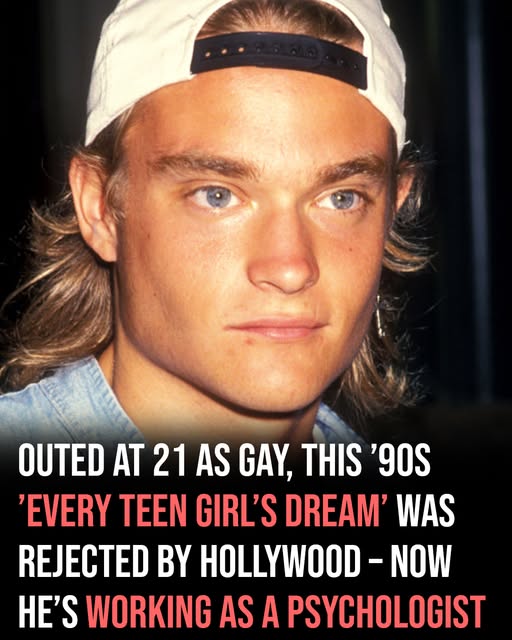
Chad Allen’s Journey From 1980s Teen Idol to Clinical Psychologist
A Familiar Face From 1980s Television
Chad Allen was once one of the most recognizable young faces on American television. During the 1980s, his smile, talent, and boyish charm made him a favorite of magazines, viewers, and casting directors.
To the public, he appeared to be a confident young star moving easily from one successful role to another. Behind that image, however, he was a child trying to understand himself while living under the expectations of fame.
Before reaching the age when most teenagers begin driving, Allen was already working full-time in Hollywood. His childhood unfolded across television sets, auditions, interviews, and photo shoots instead of the ordinary routines many children experience.
The world saw a polished young performer. Inside, he was still a boy asking questions about identity, pressure, purpose, and the difference between the person people saw and the person he was becoming.

Growing Up in Front of the Camera
Born in 1974, Allen began acting at a young age. He was only eight years old when he landed his first role, portraying an autistic boy in St. Elsewhere.
To help him understand the character, his mother explained that children with autism often live in inner worlds of their own. Allen later remembered connecting with that idea in a personal way.
“And I understood that. I would sit there and have this whole world going on in my head. I’d be following the patterns on the wall, and in my head there was an imaginary war going on between the shapes,” he once reflected.
That early role introduced him to the demands of acting while he was still very young. It also showed that he had an ability to enter imaginary spaces and build emotional life around a character.
He later appeared as a guest in an early episode of Airwolf. That performance earned him a nomination for ”Best Young Actor: Guest in a Series.”
The recognition helped increase his visibility. Soon, Allen became a regular presence in television roles that placed him in front of millions of viewers.
Life as a Working Child Actor
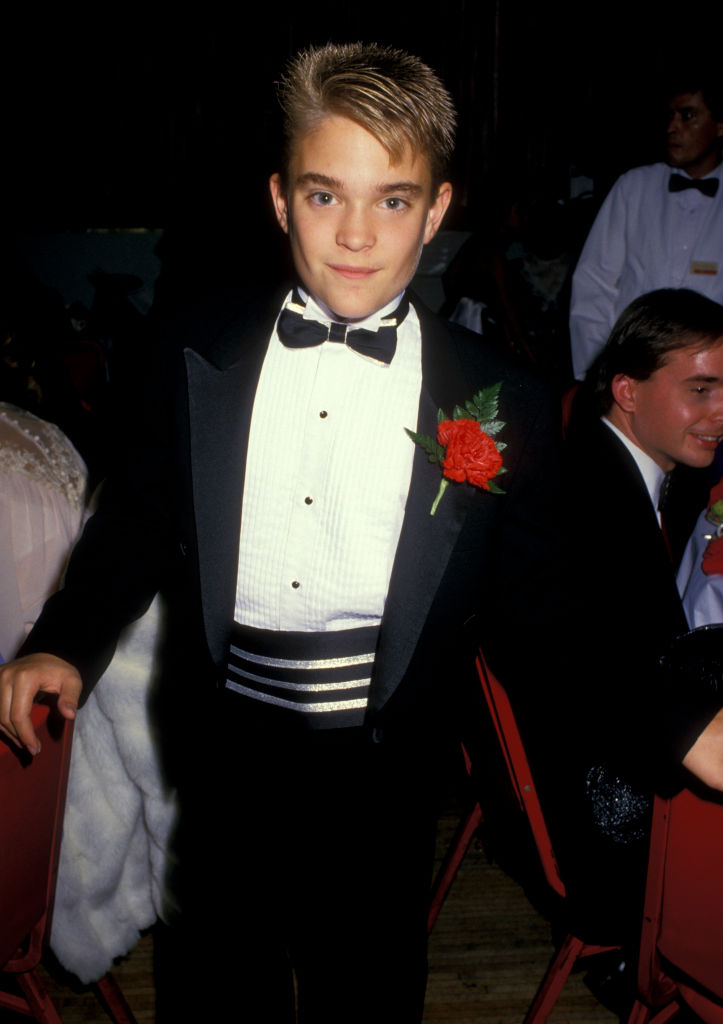
As his career grew, Allen appeared in family dramas including Our House and My Two Dads. While other children focused on classrooms, playgrounds, and homework, his daily life centered on scripts, studio schedules, and professional expectations.
He learned lines instead of focusing on a traditional school routine. He moved between sets, rehearsals, and production demands while still trying to grow up.
For a young performer, acting could feel like play at first. Allen understood how to pretend, and that skill became the foundation of his early success.
“I played pretend, and I was good at playing pretend… and all of a sudden people were making a lot of money, and I didn’t want to do it anymore,” he recalled years later.
The statement reflected the conflict that developed as his childhood talent became part of a business. What began as imagination and performance gradually became tied to money, branding, and public expectation.
Allen loved acting, but the system around him became difficult to manage. The more successful he became, the less freedom he appeared to feel.
The Cost of Becoming a Teen Idol
By the time Allen reached his teenage years, fame had begun shaping his identity. Publicists, photo shoots, interviews, and magazine coverage turned him into an image that others could package and promote.
He was no longer only a young actor. He had become a teen idol, a public figure with a carefully polished persona.
The boy audiences adored was transformed into something closer to a brand. That experience left Allen questioning where the public image ended and where his real self began.
“He was very well put together, and I wanted to get to know him,” he once said of his public persona.
The comment revealed how separate that image felt from his private identity. The person presented to audiences seemed composed and complete, but Allen himself was still searching for clarity.
Normal teenage experiences were difficult to access. Time that might have been spent with classmates, friends, dances, and ordinary routines was instead absorbed by the demands of Hollywood.
Walking Away at Sixteen
At 16, Allen made a major decision. He stepped away from Hollywood because he wanted the chance to live more like a normal teenager.
Leaving the industry at that point was a bold move. He was already known, already working, and already part of a system that expected him to continue.
But Allen needed distance from the machinery of teen stardom. He wanted to understand himself away from the public identity that had been built around him.
He enrolled in high school and joined the drama club. He later said he was drawn to it mostly “because it was for the rejects, the gay kids, very uncool”.
That environment gave him a different relationship with performance. Theater did not feel the same as the polished world of teen celebrity.
“I discovered that I liked the world of the theater, which was so different from the world of the teen star.”
For Allen, theater offered a sense of community and creative exploration that stood apart from the commercial pressure of magazine covers and television publicity.
A Private Struggle Behind Public Success
Allen had been raised in a devout Catholic home, where discipline and faith were important parts of his upbringing. Yet as fame, adolescence, and adulthood collided, he began facing serious personal struggles.
Addiction became one of the most dangerous challenges in his life. The pressure of public identity and private pain contributed to a period in which drinking took control.
“At the end of the day, I was alone, and I couldn’t stop drinking…
The isolation became severe. At one point, Allen found himself alone in his Malibu condo, cut off from others and close to death.
His situation had spiraled beyond control. The image of the confident actor no longer matched the reality of a young man in deep trouble.
A close friend, actress Heather Tom, eventually walked away. Her decision became a painful turning point and forced Allen to confront the path he was on.
Choosing Recovery
The loss of that friendship, even temporarily, helped Allen recognize the seriousness of his situation. He had to choose between continuing in destruction or seeking a different way forward.
He entered recovery, and the process changed the direction of his life. Sobriety was not only about stopping destructive behavior; it also opened the door to helping others.
Allen discovered that service and support could be deeply healing. Helping others became more than an act of kindness; it became transformative for him as well.
Recovery gave him a new kind of purpose. It began to move him away from the approval of audiences and toward a more grounded understanding of survival, honesty, and connection.
Still, his public life remained complicated. At 21, while starring in Dr. Quinn, he faced another painful and defining moment.
Outed While Starring on Dr. Quinn
In 1996, a U.S. tabloid published photos of Allen kissing another man in a hot tub at a party. The images were sold by someone who claimed to be a friend of the couple.
The publication of the photos placed Allen’s private life into public view without his consent. The images were paired with fabricated rumors, intensifying the pressure around him.
“So I was scared. Just scared,” he said.
Allen did not want to lie about who he was. At the same time, he did not want his identity turned into a public headline or used as a spectacle.
”There were certainly plenty of people in my life who didn’t know I was gay, because they never cared to ask or weren’t close enough to me, but there were plenty of people who already knew,” he said.
The situation forced him into a public conversation he had not chosen. Lawyers, managers, and executives discussed how to respond, but Allen refused to participate in a strategy that required him to deny himself.
Support, Pain, and Consequences
The cast of Dr. Quinn supported Allen during that difficult period. He remained on the family-friendly show, but after the series ended, professional opportunities became harder to find.
Once the show wrapped, he described the aftermath as difficult. The entertainment industry did not respond to his public outing with ease or openness.
“My dad couldn’t look me in the eye. And that hurt. Because a boy always wants his dad’s acceptance. And I knew I’d been lying to them”, the actor shared.
His mother also struggled to process the news. Unsure how to react, she cried and said she had always assumed he was too cute not to have a girlfriend.
The personal fallout was painful. Allen had to face not only the public exposure of his private life but also the reactions of the people closest to him.
The professional consequences were serious as well. His career changed after the tabloid outing, and he later spoke plainly about what happened.
”I couldn’t get an audition for a pilot after that,” he shared in 2008.
Letters That Changed the Meaning of Visibility
Although the outing brought pain, fear, and professional setbacks, something unexpected happened afterward. Letters began arriving from young gay men across the country.
They thanked Allen for being visible. For people who felt alone, his public identity mattered, even though the circumstances that made it public had been painful.
Allen responded to those letters by hand. Writing back became meaningful for him because it helped him understand that he was not alone either.
”It helped me, actually, all this pressure I was getting to identify myself, identify myself. It just meant so much to know I wasn’t going through it alone either. After all, what is it [loving men]? There’s so much attached to it, but at the end of the day, it’s love. I’ll take it. Whatever it looks like,” he explained.
Those exchanges gave him a deeper understanding of the impact of visibility. Even though he had not chosen the way his private life became public, he saw that honesty could reach people who needed it.
The letters helped transform a painful public episode into something that carried meaning beyond his own experience.
Leaving Hollywood for a Different Calling
After decades connected to acting, celebrity, addiction, recovery, and public scrutiny, Allen eventually stepped away from Hollywood in 2015. His departure was not presented as defeat.
Instead, it marked a transformation. He moved toward a life shaped less by performance and more by healing.
Allen returned to school and earned a Doctorate in Clinical Psychology. He later opened his own private practice.
The shift from actor to psychologist reflected a major change in purpose. He had spent much of his early life being watched by others; now he works with people who are trying to be understood.
His practice allows him to help others navigate trauma, identity, and recovery. These are struggles he had faced personally, giving his new profession a connection to his own life story.
Confluence Psychotherapy and a New Purpose
Allen named his practice Confluence Psychotherapy. He has described the name as a symbol of two rivers meeting to form something stronger.
The image fits the larger arc of his life. His past as a performer and his later work as a psychologist are not entirely separate; they meet in a new purpose centered on healing.
Instead of seeking applause, Allen now helps others work through pain, confusion, and identity. His career has moved from the public stage into private rooms where difficult conversations can lead to change.
The work reflects a life redirected by experience. Addiction, fear, exposure, and recovery all became part of the foundation for a profession focused on helping others.
Allen’s journey also shows that leaving fame behind does not mean disappearing. It can mean choosing a quieter form of impact, one built through listening, compassion, and clinical care.
Faith, Identity, and Compassion
Allen’s reflections on faith and judgment reveal how his understanding of spirituality has evolved. His words show a belief in compassion over fear.
“My greatest hope is that when we die, we get to experience God and let go of all judgments and preconceived notions… Anything that comes with fear or judgment, it can’t be of God.”
That perspective connects to the broader themes of his life. He has experienced public judgment, family pain, addiction, and the struggle to live truthfully.
His view emphasizes release from fear and judgment. It also reflects the importance of acceptance, both for himself and for those he now helps professionally.
After years of being shaped by public expectation, Allen appears to have built a life around deeper values. His focus is no longer on maintaining an image but on supporting healing and honesty.
Life Away From Red Carpets
Today, Allen’s life is far removed from the constant attention of red carpets, cameras, and celebrity coverage. His days are centered on counseling patients, walking his dog, and spending time in nature.
The contrast with his childhood is striking. The boy who once appeared across magazine covers and television screens now lives a quieter life built around service and personal peace.
He has also become an advocate for the LGBT community. In that role, he has spoken from the perspective of someone who experienced both the pain of exposure and the importance of visibility.
Allen has expressed gratitude to Gavin Newsom for efforts to legalize same-sex marriage in San Francisco. That appreciation fits within his broader public support for equality and recognition.
His advocacy is connected to his personal history. The same identity that once caused professional barriers and private pain became part of his work, voice, and purpose.
From Teen Idol to Healer
Chad Allen’s life has moved through many chapters. He was a child actor, a teen idol, a young man battling addiction, a public figure forced into unwanted exposure, and eventually a psychologist dedicated to helping others heal.
His early success brought fame, but it also brought pressure. The smiling image presented to the public did not fully capture the private questions he carried.
His decision to step away at 16 showed a desire to understand himself outside the machinery of Hollywood. His later recovery showed a willingness to confront destruction and choose survival.
Being publicly outed while still working in a major television role changed his career and personal life. Yet the letters he received from young gay men helped him recognize the importance of visible truth.
Years later, his move into psychology gave his life a different kind of meaning. Rather than performing for audiences, he now works with people facing their own struggles with trauma, identity, and healing.
A Life Defined by Truth Over Image
The story of Chad Allen is not only about a former child actor who left Hollywood. It is also about a person who moved from image to truth, from pressure to purpose, and from public performance to private healing work.
He once occupied a place many young performers dream about, appearing on television and becoming a magazine favorite. But fame did not answer the deeper questions of identity and belonging that shaped his life.
Over time, Allen chose a different path. He stepped away from the entertainment industry, pursued education, and became Dr. Chad Allen, a clinical psychologist helping others find steadier ground.
His journey shows how a life can change direction without losing meaning. The actor who once played pretend for audiences now uses his experience, training, and compassion to support people seeking peace.
The boy who grew up under studio lights became a man who chose healing over applause. His name is Chad Allen, and his life after fame has become a story of recovery, honesty, and purpose.