
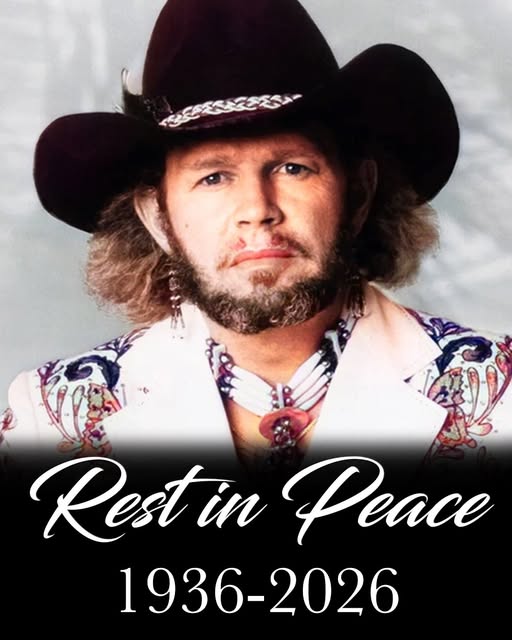
Country Music Legend David Allan Coe Dies at 86
A Recognizable Voice in Country Music Is Gone
Country music has lost one of its most distinctive and recognizable voices. David Allan Coe, the outlaw country figure known for his rough-edged sound, rebellious image, and songs that became part of country music history, has died at the age of 86.
His death was reported on Wednesday, April 29. A cause of death has not yet been disclosed.
Coe was best known to many listeners for “You Never Even Called Me by My Name,” a song that became one of his signature recordings and helped define his public image. Over the decades, he built a career that blended humor, defiance, hardship, controversy, and the spirit of outlaw country.
His voice, often described as a rich and raspy baritone, helped make his recordings instantly identifiable. Whether delivering a self-aware joke, a hard-luck story, or a rebellious anthem, Coe brought a sound that reflected the rougher edges of the country tradition.
His career included major songwriting success, memorable albums, devoted fans, and lasting influence. It also included controversy, criticism, and legal trouble, making his legacy one of the more complicated stories in country music.

Early Life in Akron
David Allan Coe was born on September 6, 1939, in Akron, Ohio. His early life was far from the polished path often associated with future music stars.
He spent a significant portion of his youth in and out of correctional institutions. Those experiences later became part of the image and mythology surrounding him as an artist.
Rather than hiding the outsider quality of his background, Coe leaned into it. His life story helped shape the rebellious persona that followed him throughout his career.
That persona became closely tied to the outlaw country movement, a style and attitude that pushed against the smoother, more controlled sound associated with mainstream Nashville at the time.
Coe’s background gave his music a sense of lived-in toughness. The themes of independence, hardship, defiance, regret, and personal myth appeared again and again in his songs.
For many fans, that rawness was part of his appeal. He did not present himself as a polished country gentleman. He presented himself as someone shaped by difficult roads and hard lessons.

A Sound Built From Several Traditions
Coe’s musical style did not come from country music alone. His sound pulled from blues, rock, and country, creating a blend that helped him stand apart from many of his contemporaries.
That mixture gave his work a rough and flexible quality. His songs could lean toward traditional country storytelling, but they could also carry a harder edge influenced by other American musical forms.
The result was a style that fit naturally within outlaw country. It was rooted in country music, but it did not always follow the clean lines expected by the mainstream industry.
His voice was central to that identity. The raspy baritone gave his songs weight, character, and a sense of experience.
Even when his lyrics were humorous or self-referential, the sound of his voice gave them an unmistakable presence. It helped turn his songs into performances that felt personal and theatrical at the same time.
That vocal identity became one reason Coe remained memorable across decades. Listeners could recognize him quickly, not only by the songs he chose, but by the way he delivered them.
Arrival in Nashville
Coe arrived in Nashville in 1967, but success did not come immediately. Like many artists who entered the city hoping for a breakthrough, he had to wait for the right opportunity.
His first major recognition came not as a recording star, but as a songwriter. That songwriting breakthrough became an important turning point in his career.
In 1973, Tanya Tucker took “Would You Lay With Me (In a Field of Stone)” to No. 1. The song gave Coe a major success and proved that his writing could connect with a wide country audience.
The success of that song opened doors for him in Nashville. It helped lead to a contract with Columbia Records and gave him the chance to step more fully into the spotlight as a performer.
That transition from songwriter to recording artist became a defining moment. Coe was no longer only the man behind a hit recorded by someone else. He was preparing to become a recognized name in his own right.
The Nashville years showed both his ambition and his persistence. He did not become an immediate star upon arrival, but he stayed long enough to turn opportunity into momentum.
The Mysterious Rhinestone Cowboy
By 1974, Coe was ready to embrace a larger public identity. His first album, The Mysterious Rhinestone Cowboy, introduced him as an artist with a strong image and a willingness to stand outside conventional expectations.
The title itself reflected the mix of performance and persona that became part of Coe’s career. He was not simply releasing songs; he was building a character around his music.
The album helped place him more firmly in the conversation around outlaw country. It also marked the beginning of a period in which Coe would become increasingly visible as both a singer and a symbol of country rebellion.
His music during this era often leaned into themes of identity and reputation. He seemed highly aware of the figure he was creating and the way audiences responded to it.
That self-awareness would become especially important in one of his most famous songs. Coe had a way of placing himself directly inside the myth of country music, and few songs captured that better than the one that arrived the following year.
The Song That Became His Signature
In 1975, Coe released Once Upon a Rhyme, the album that introduced “You Never Even Called Me by My Name.” The song would become one of the defining recordings of his career.
The track stood out for its humor, self-awareness, and playful treatment of country music traditions. It also included a spoken section that became one of the most memorable parts of the song.
In that spoken line, Coe refers to it as “the perfect country and western song.”
The song’s appeal came partly from the way it commented on country music while also belonging fully to it. It was both a tribute and a joke, both sincere and knowingly exaggerated.
That balance made it a lasting favorite. It gave fans something to sing along with, laugh with, and remember.
Coe also placed himself inside his own legend through the lyrics, singing, “But the only time I know I’ll hear ‘David Allan Coe’ / Is when Jesus has His final judgment day.”
That self-referential style became one of his trademarks. He did not simply tell stories from a distance. He often put his name, image, and reputation into the songs themselves.
Building the David Allan Coe Legend
Throughout much of his work, Coe shaped his own mythology. He wrote and performed songs that reinforced the image of a long-haired outsider moving through country music on his own terms.
That approach appeared in songs such as “Longhaired Redneck,” “Willie, Waylon and Me,” and “Son of the South.” Each song contributed to the larger identity that surrounded him.
He was not only singing country music. He was telling listeners who he was, how he wanted to be seen, and where he believed he belonged in the broader outlaw country world.
The 1970s were the period of his greatest commercial success. During that decade, he became strongly associated with the rougher, rebellious side of the genre.
His songs connected with listeners who wanted country music that felt less polished and more confrontational. They also appealed to fans drawn to artists who seemed to resist industry expectations.
Coe’s public identity was not gentle or neutral. It was bold, rough, and often provocative.
That helped make him memorable, but it also contributed to the controversies that followed him throughout his life.
Songwriting Success Beyond His Own Recordings
Coe’s influence extended beyond the songs he recorded himself. He also wrote material that became important through other artists.
One of his most notable songwriting achievements was “Take This Job and Shove It.” The song became a No. 1 hit for Johnny Paycheck.
The track became known as a blue-collar anthem. Its blunt title and direct message connected strongly with workers who understood frustration, dissatisfaction, and the desire to push back against authority.
That songwriting success showed another side of Coe’s talent. He could write songs that matched his own rough persona, but he could also create material that other artists could turn into major hits.
“Take This Job and Shove It” became more than a successful single. It entered the culture as a phrase and sentiment recognized far beyond country radio.
For Coe, the song strengthened his reputation as a writer who could capture anger, humor, and defiance in a way that felt direct and memorable.
A Career That Continued Beyond the 1970s
Although Coe’s biggest commercial period came in the 1970s, his career did not end there. He continued recording, performing, and maintaining a loyal audience.
In 1983, he returned with Castles in the Sand. The album included “The Ride,” a song that became a fan favorite.
That comeback helped show that Coe still had staying power. He was not merely a product of one decade or one musical movement.
His ability to continue drawing attention reflected the durability of his image and the loyalty of his listeners. Fans who connected with his work often remained devoted over the long term.
Coe continued to perform even in his later years. He released music and stayed active on stage for audiences that still wanted to hear his songs in person.
That connection with fans became a major part of his later life. Even as the music industry changed around him, he maintained a place among listeners who valued outlaw country and the era he helped define.
A Complicated Legacy
David Allan Coe’s legacy is not simple. While he is remembered for his voice, songwriting, stage presence, and outlaw country identity, his career also included serious controversy.
He received significant criticism for the content of albums such as Nothing Sacred, released in 1978, and Underground Album, released in 1982.
Those records included racial slurs and misogynistic language. The backlash over that material remained part of the public conversation around him for years.
Coe later defended the work as parody. Even so, the criticism never fully went away.
That controversy became part of the broader complexity of his career. Some fans focused on his music, voice, and contribution to outlaw country, while critics pointed to the harmful language and themes in parts of his catalog.
The result is a legacy marked by both influence and discomfort. Coe’s place in country music history is secure, but it is not free from serious questions about the choices he made in his work.
Legal Issues Later in Life
Coe also faced legal trouble later in life. In 2015, he pleaded guilty to violating IRS regulations.
The following year, he was sentenced to three years of probation. He also owed nearly $1 million in back taxes.
The case added another difficult chapter to a life that had already included public controversy and personal struggle. It also reinforced the sense that Coe’s story was shaped by conflict both inside and outside the music industry.
For many public figures, later-life legal issues can alter how their careers are discussed. In Coe’s case, they became part of an already complicated portrait.
His achievements as a songwriter and performer remained significant, but they existed alongside controversy, criticism, and personal legal problems.
Personal Life and Survivors
On a personal level, Coe married his sixth wife, Kimberly Hastings, in 2010. She survives him.
He is also survived by his children.
Family remained part of the final chapter of a life lived largely in public through music, performance, and controversy. His personal relationships were part of a long and eventful life that stretched across decades of American country music history.
As news of his death spread, many listeners reflected on the songs that first introduced them to his voice. For some, that song was “You Never Even Called Me by My Name.” For others, it was “The Ride,” “Longhaired Redneck,” or one of the songs he wrote for another artist.
His music reached different listeners in different ways. Some connected with the humor. Others connected with the outsider image, the hard-luck themes, or the blunt style of his writing.
Whatever their entry point, Coe’s fans recognized him as a figure who left a strong mark on country music.
An Outlaw Country Figure Remembered
David Allan Coe’s death at 86 marks the loss of one of country music’s most recognizable outlaw figures. His life began in Akron, moved through difficult institutions, and eventually led him to Nashville, where his songwriting opened the door to a major career.
He became known for a sound that merged country, blues, and rock. His raspy baritone, rebellious attitude, and self-created mythology gave him a distinct place in the genre.
His songs often felt like statements of identity. He sang about himself, his reputation, and the outlaw world he occupied.
At his best, he captured humor, frustration, defiance, and the rough poetry of country music’s outsider tradition. His work as a songwriter also produced hits that reached far beyond his own recordings.
At the same time, his legacy includes material that brought lasting criticism, along with legal issues that complicated his later years. Remembering Coe means acknowledging both the influence and the controversy.
That complexity is central to understanding his place in music history. He was admired, criticized, followed, and debated.
For decades, David Allan Coe remained a figure who refused to fit neatly into any single category. He was a singer, songwriter, outlaw country symbol, provocateur, and survivor of a long and turbulent career.
His death closes a significant chapter in country music, but the songs, debates, and influence connected to his name will continue to be discussed. For fans of outlaw country, his voice remains one of the genre’s most unforgettable sounds.