
Hidden Risks of Everyday Chargers and How Simple Habits Can Improve Safety
Charging Devices Have Become Part of Daily Life
Chargers are now among the most commonly used items in modern homes, offices, schools, and public spaces. They keep phones, laptops, tablets, headphones, and other devices powered throughout the day.
Because people depend on electronic devices for communication, work, entertainment, and basic daily tasks, chargers are rarely far away. They are often plugged in near beds, desks, kitchen counters, and travel bags.
Their constant presence can make them seem ordinary and harmless. Many people treat chargers as simple accessories rather than electrical equipment that requires care.
That familiarity can lead to careless habits. A charger may be left plugged in for hours, placed under blankets, used with a damaged cable, or replaced with a cheap imitation without much thought.
Although chargers are small, they handle electrical current every time they are used. They also produce heat during operation, especially when charging larger devices or when used for long periods.
The combination of electricity and heat means that chargers should not be ignored. When used incorrectly or when made poorly, they can create risks for the device, the user, and the surrounding area.
Most charging sessions end without incident, which is why the risks are easy to overlook. However, problems can develop when unsafe equipment and poor habits become part of everyday routine.
Why Chargers Deserve More Care
A charger’s job may seem simple, but it plays an important role in controlling the flow of power into a device. It must deliver electricity in a way that the device can safely receive.
When a charger works properly, it helps regulate power, reduce stress on the battery, and limit unsafe heating. When it does not work properly, the device may receive unstable or excessive electrical output.
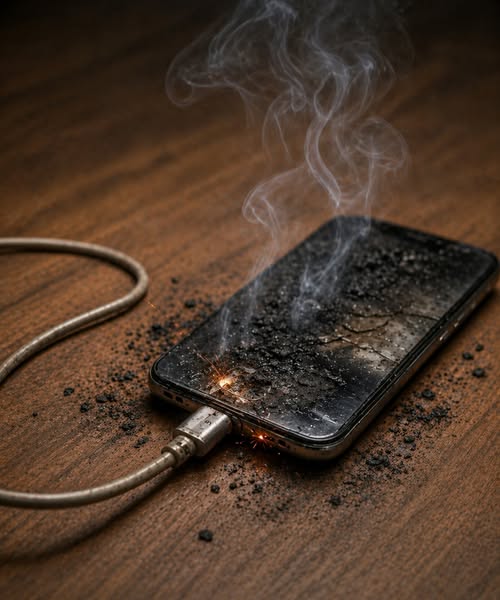
This can affect battery performance, internal components, and overall device lifespan. In more serious cases, poor charging equipment can increase the chance of overheating, sparks, or fire hazards.
The risk does not always appear immediately. A low-quality charger or worn cable may seem to work at first, but hidden weaknesses can grow worse over time.
For this reason, charging safety depends on both the equipment being used and the habits surrounding it. A reliable charger can still be used unsafely, and an unsafe charger can create problems even when handled carefully.
Paying attention to chargers is not complicated. It begins with recognizing that these small tools are part of an electrical system and should be treated with the same care as other powered devices.
The Concern With Cheap and Counterfeit Chargers
One of the biggest safety concerns comes from low-quality or counterfeit chargers. These products are often chosen because they are inexpensive, easy to find, or appear similar to more reliable versions.
At first glance, an imitation charger may look like a normal accessory. It may fit the device and appear to charge it, which can make the difference between safe and unsafe equipment hard to notice.
The problem is that many poorly made chargers may not include proper safety features. They may lack strong systems for regulating voltage, managing current, and preventing excessive heat.
Without these protections, a connected device may receive power in an unstable way. This can cause the device to heat up more than expected or place extra stress on the battery.
Repeated exposure to inconsistent power can reduce battery life. It can also damage internal parts that depend on steady electrical delivery.
In more serious situations, unstable output can increase the risk of sparks or fire. That danger affects more than the device itself, because a charger is often used near furniture, bedding, papers, bags, and other everyday materials.
Certified chargers are designed with safeguards that help control the charging process. They are built to manage power delivery, limit overheating, and reduce the chance of electrical faults.
Choosing certified chargers may seem like a small decision, but it can make the charging process more stable and secure. It also helps protect the devices that people rely on every day.
Damaged Cables Can Create Hidden Hazards
Charging cables are another common source of risk. They are pulled, bent, twisted, wrapped, and carried from place to place, which means they often wear down faster than people realize.
The most vulnerable points are usually near the ends of the cable, where bending happens repeatedly. Over time, the outer covering can crack, loosen, or peel away.
Frayed wires, cracked insulation, loose connectors, and exposed sections are warning signs that a cable may no longer be safe. Even when the cable still charges a device, visible damage should not be ignored.
A damaged cable can cause short circuits. It can also interrupt power flow or create sparks when the internal wiring is compromised.
Localized heating is another concern. When a weak or damaged area carries electricity, it may become warmer than normal, which can make the damage worse.
Some people continue using damaged cables because they still appear to function. This can be risky, because a cable does not have to fail completely before it becomes unsafe.
Replacing a damaged cable early is one of the simplest ways to reduce charging hazards. It is a small step that can prevent a larger problem from developing.
Regular inspection can help. Looking over cables, connectors, and charger bodies before use allows small problems to be identified before they become serious.
Charging Habits Matter More Than Many People Think
Equipment quality is important, but daily charging habits also influence safety. Even a reliable charger can become less safe when used carelessly.
One common habit is leaving devices plugged in for long periods after they are fully charged. This is often done for convenience, especially overnight or during work hours.
While the habit may seem harmless, extended charging can contribute to heat buildup. Heat affects both the device and the charger, especially when they remain connected longer than necessary.
Repeated exposure to heat can shorten the useful life of charging equipment and may place additional stress on the device battery. Over time, this can affect performance.
Another important habit involves where the device is placed during charging. Many people charge phones or tablets on beds, couches, blankets, or pillows.
Soft surfaces can trap heat. They may block airflow around the device and charger, making it harder for warmth to dissipate.
When heat builds up in a confined area, the temperature of the device and charger can rise. This creates conditions that increase the chance of overheating.
A hard, flat surface is safer because it allows better ventilation. A table, desk, or nightstand gives the device space to release heat more effectively.
The Risk of Blocking Airflow
Heat management is an important part of safe charging. Chargers and devices naturally become warm during use, but they need enough airflow to keep that warmth from becoming excessive.
When a device is covered by bedding, clothing, papers, or cushions, heat may remain trapped around it. This can cause temperatures to rise beyond what would occur on an open surface.
People sometimes place a charging phone under a pillow or blanket for convenience. This can be unsafe because the device is both powered and insulated by materials that prevent cooling.
Keeping chargers and devices uncovered while they charge is a simple habit that supports safer use. It also helps the device maintain a more stable operating temperature.
Good airflow does not require special equipment. It only requires placing the device in an open, dry, and stable location while it charges.
This habit is especially useful when charging overnight or during long periods when the device will not be checked frequently.
Electrical Outlets Also Play a Role
Charging safety does not depend only on the charger and cable. The outlet or power source also matters.
Overloading an electrical socket by plugging in too many devices can create excessive heat within the outlet. This can weaken internal components and increase the likelihood of electrical failure.
Power strips and extension cords can also introduce risk when they are low quality or used beyond their capacity. Not all extension cords are designed to handle multiple devices safely.
If a cord or outlet becomes warm, loose, or unreliable, it should be treated as a warning sign. Electrical connections should remain stable and should not produce unusual heat during normal use.
Older wiring systems can create additional concerns. Aging materials may not manage electrical flow as reliably as newer systems, especially when several devices are connected at once.
Using proper surge protectors can add a layer of protection. They help manage electrical surges and provide a more suitable power source for charging multiple devices.
Keeping outlets well maintained is also important. A charger is only as safe as the electrical path supporting it.
Moisture and Charging Should Never Mix
Water and electricity create a dangerous combination. Charging near sinks, wet counters, bathtubs, damp floors, or other moist areas increases the risk of electrical faults.
Even a small amount of moisture can create problems if it reaches a charger, cable, outlet, or active device. This is why charging equipment should be kept dry at all times.
Bathrooms and kitchens may be convenient places to charge devices, but they can also expose chargers to splashes, steam, or wet surfaces. Extra caution is needed in these areas.
If a charger or cable becomes wet, it should not be used while damp. Allowing moisture to remain near electrical contacts can create unsafe conditions.
Keeping charging stations away from water is one of the most basic safety habits. It protects both the device and the person handling it.
Simple Steps That Improve Charging Safety
Safer charging does not require complicated changes. Small, consistent habits can reduce many of the most common risks.
Choosing certified chargers and cables is one of the strongest steps. Reliable products are designed to meet safety expectations and provide more stable performance.
Replacing damaged equipment quickly is also important. A cracked cable, loose plug, or overheated charger should not be ignored simply because it still works.
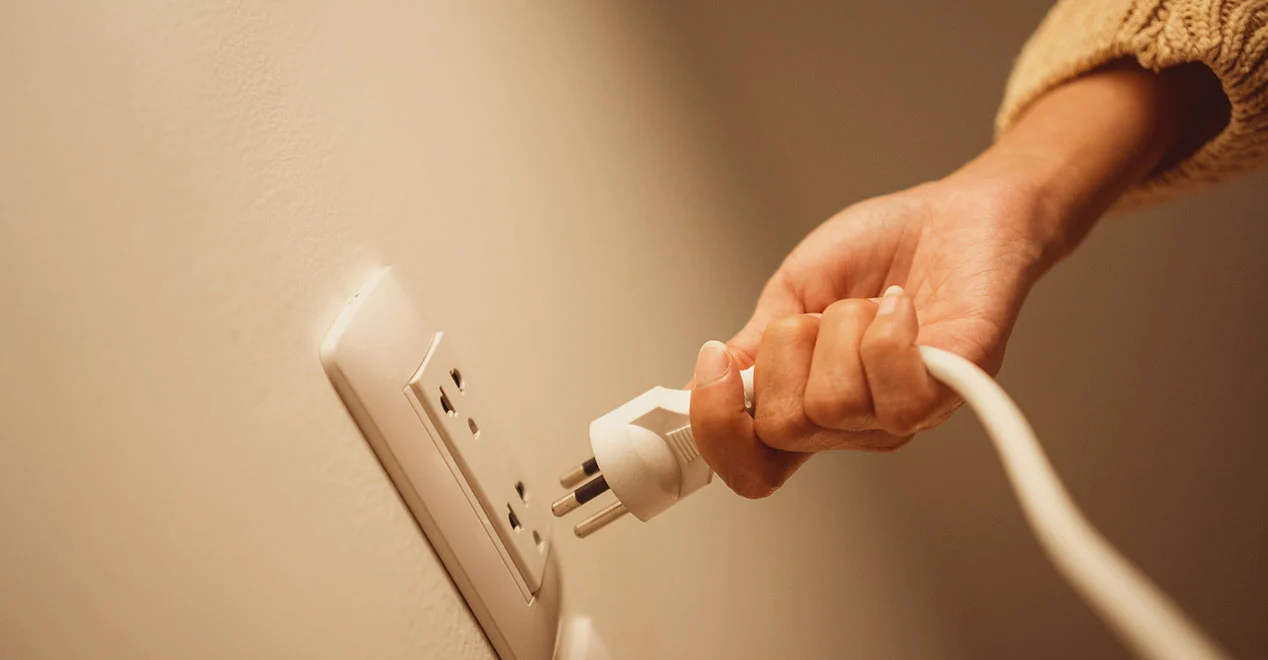
Unplugging chargers when they are not being used can reduce unnecessary energy flow. It also limits heat generation and can help extend the life of the equipment.
Charging devices on hard, flat surfaces supports better airflow. It also keeps devices away from heat-trapping materials such as blankets and pillows.
Avoiding overloaded outlets helps protect the electrical system. When several devices need power, using proper equipment is safer than crowding one socket with too many connections.
Keeping chargers away from water and moisture further reduces risk. Dry, open, and stable charging areas are safer for daily use.
Why Small Habits Make a Difference
Many charging problems begin with small signs or repeated habits. A slightly damaged cable, a warm charger, or a device left under bedding may not seem serious at first.
Over time, however, these patterns can increase risk. Heat, wear, and unstable electrical flow can build into more serious problems if ignored.
Simple habits work because they reduce stress on the equipment. They also give users more opportunities to notice defects before they become dangerous.
Checking a cable before use takes only a moment. Moving a phone from a pillow to a table requires little effort. Unplugging an unused charger is quick and easy.
These small choices are practical because they fit into daily life. They do not require major lifestyle changes, but they can improve safety in meaningful ways.
Balancing Convenience With Safety
Modern life depends heavily on quick and easy access to power. People charge devices at home, in offices, in cars, and while traveling.
Convenience matters, but it should not come at the expense of safety. A few extra seconds spent checking equipment or choosing a safer charging surface can prevent avoidable problems.
The goal is not to create fear around chargers. Most chargers can be used safely when they are well made, undamaged, and handled responsibly.
The goal is awareness. When people understand the risks, they are more likely to make choices that protect their devices and their surroundings.
This balance is especially important in shared spaces. Homes, workplaces, and common areas often have multiple devices charging at once, making safe habits even more valuable.
Good charging practices help protect not only one person’s phone or laptop, but the entire environment where the equipment is used.
A More Responsible Approach to Everyday Technology
Chargers may be small, but their role is important. They connect valuable devices to electrical power and manage the process that keeps those devices usable.
Because they are so common, they can easily fade into the background of daily life. That is when careless habits become more likely.
Treating chargers with more attention can reduce unnecessary risks. It also supports better device performance and longer equipment life.
Reliable chargers, undamaged cables, safe surfaces, dry locations, and properly used outlets all contribute to a safer charging routine.
None of these steps are difficult, but together they create a stronger safety foundation. They help prevent overheating, electrical faults, damage, and avoidable hazards.
Understanding charger safety also encourages a more thoughtful relationship with everyday technology. Devices are useful, but they rely on systems that need proper care.
Final Perspective on Charger Safety
Chargers are essential tools in modern life, but they are not risk-free. They use electricity, create heat, and depend on safe materials and proper handling.
Low-quality or counterfeit chargers can lack important safeguards. Damaged cables can create sparks, short circuits, and overheating. Poor placement and overloaded outlets can add further risk.
At the same time, safer charging is within reach. Choosing certified equipment, replacing worn cables, unplugging unused chargers, avoiding moisture, and allowing airflow can all make a difference.
These habits are simple, but they are effective because they address the most common sources of charging-related problems.
By treating chargers as important electrical tools rather than harmless accessories, people can better protect their devices and their surroundings.
With consistent care and attention, chargers can remain reliable parts of everyday life. The key is to combine convenience with caution and make safer choices part of the daily routine.