
Understanding Tingling Sensations: Common Causes, Types, and When to Seek Medical Attention
What Causes a Tingling Sensation?
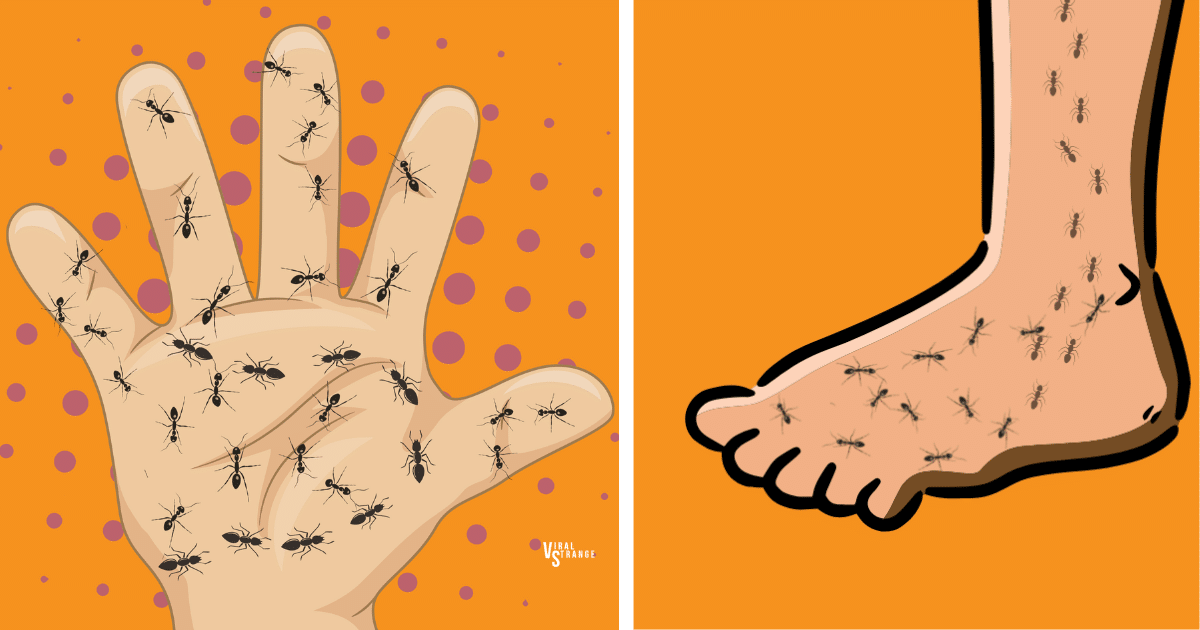
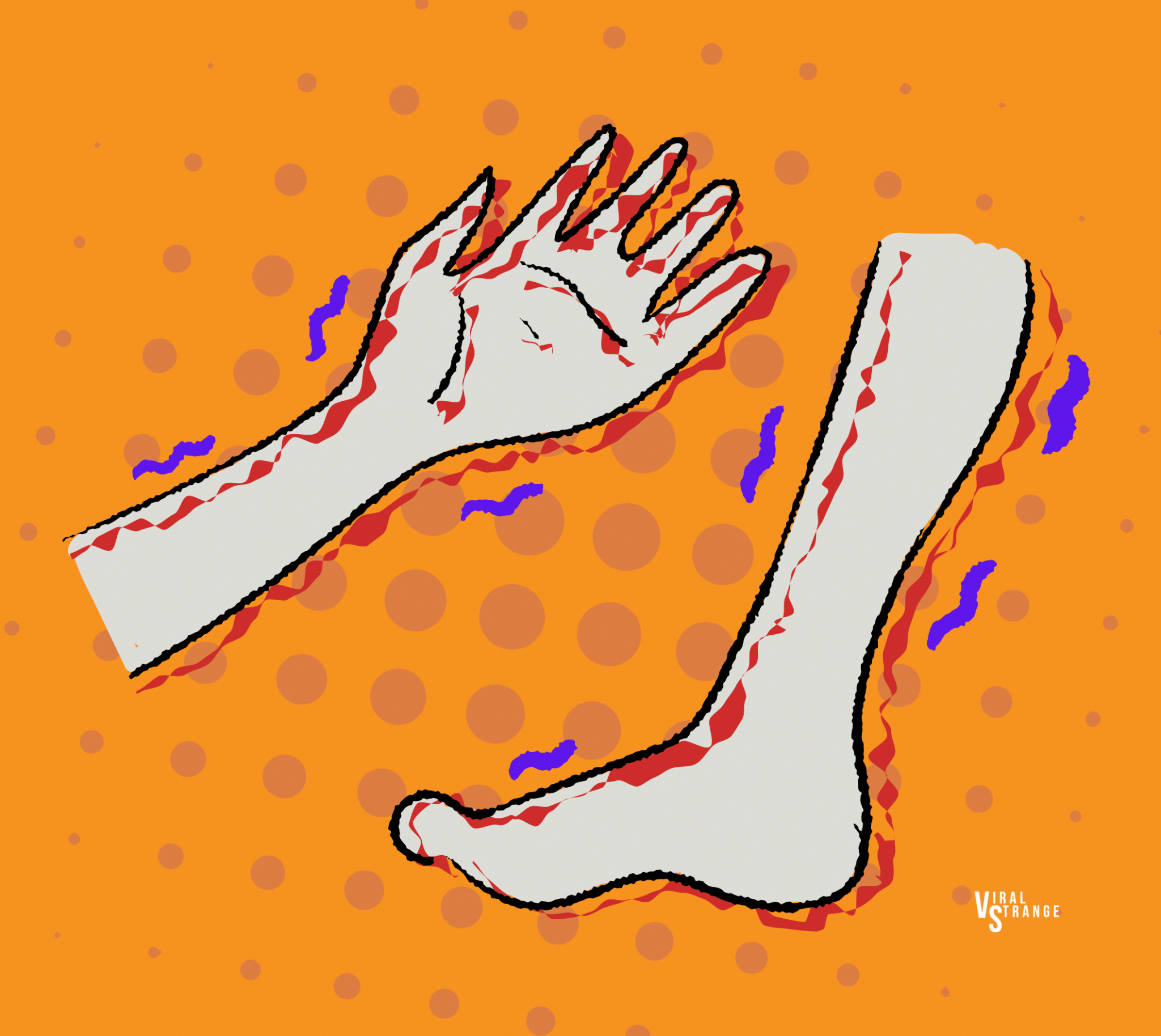
A tingling sensation, often described as “pins and needles,” is something many people experience at some point in their lives. It most commonly affects the hands, feet, arms, or legs and may feel like tiny pricks, numbness, or a mild burning sensation. While it is usually temporary, recurring episodes can sometimes indicate an underlying medical condition.
Medically, this sensation is known as paresthesia. It typically develops without warning and, although it is not usually painful, it can be uncomfortable and unsettling. In many cases, the feeling disappears within a short period, but persistent or repeated symptoms should not be ignored.
Disclaimer: The information in this article is intended for educational and informational purposes only and should not be considered medical advice. Anyone experiencing ongoing or concerning symptoms should consult a qualified healthcare professional for evaluation and guidance.
What Is Paresthesia?
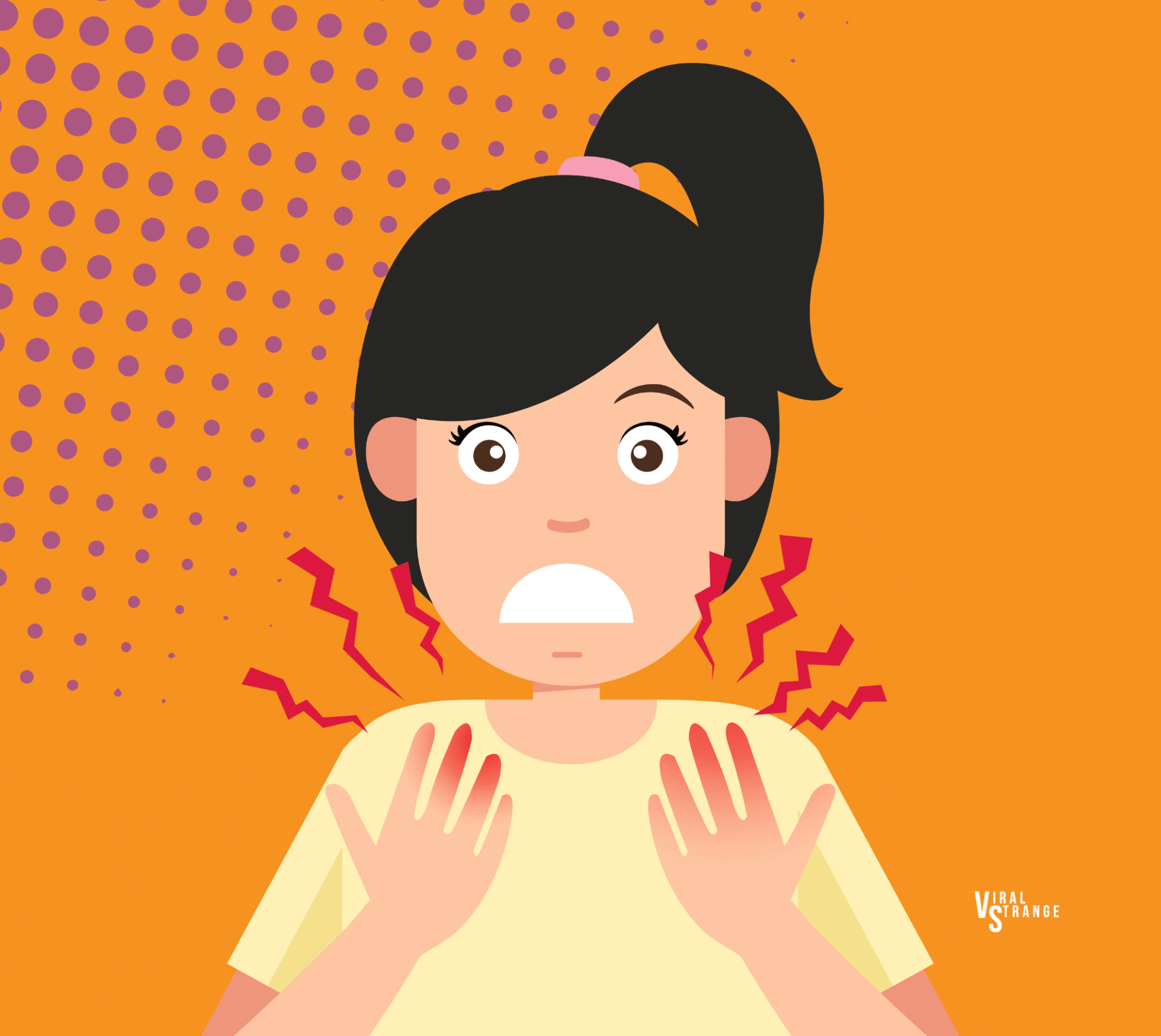
Paresthesia is the medical term used to describe abnormal sensations such as tingling, numbness, burning, or a “pins and needles” feeling. These sensations can develop in various parts of the body, most often in the hands, feet, fingers, legs, or arms.
Although paresthesia usually causes discomfort rather than pain, the intensity can vary from person to person. Some individuals notice only mild tingling, while others experience more pronounced numbness or increased sensitivity in the affected area.
Why Does It Happen?
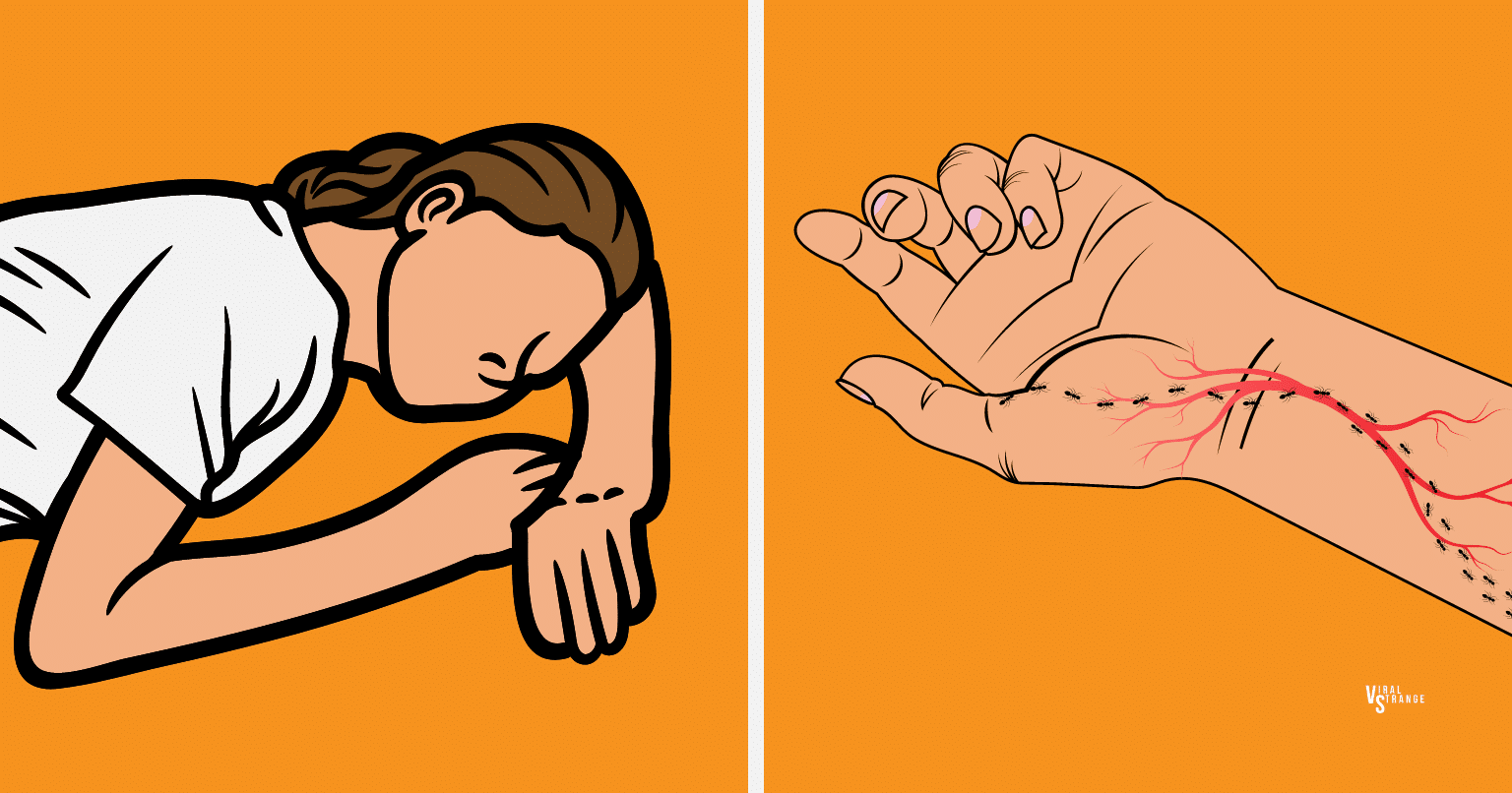
The most common form is known as transient paresthesia. This temporary condition often occurs after remaining in the same position for an extended period, such as sitting with crossed legs, kneeling, or sleeping with pressure on an arm.
When sustained pressure is placed on a nerve, normal nerve signaling can be disrupted. As pressure is relieved and circulation returns, the affected area may produce the familiar tingling sensation before returning to normal.
While prolonged pressure is the most frequent cause, paresthesia may also occur in association with other conditions, including nerve injuries or a herniated disc.

How Long Does the Tingling Last?
Temporary paresthesia generally resolves quickly once normal blood flow and nerve function return. During this period, the affected limb may feel numb while still remaining movable.
Some people also notice increased sensitivity as the sensation fades. Gentle stretching or lightly massaging the affected area may help restore normal feeling more quickly by encouraging circulation.
In most cases, symptoms disappear within a short time without requiring treatment.
Possible Effects of Paresthesia
Although temporary tingling is generally harmless, paresthesia can sometimes interfere with daily activities, particularly if it occurs frequently or lasts longer than expected.
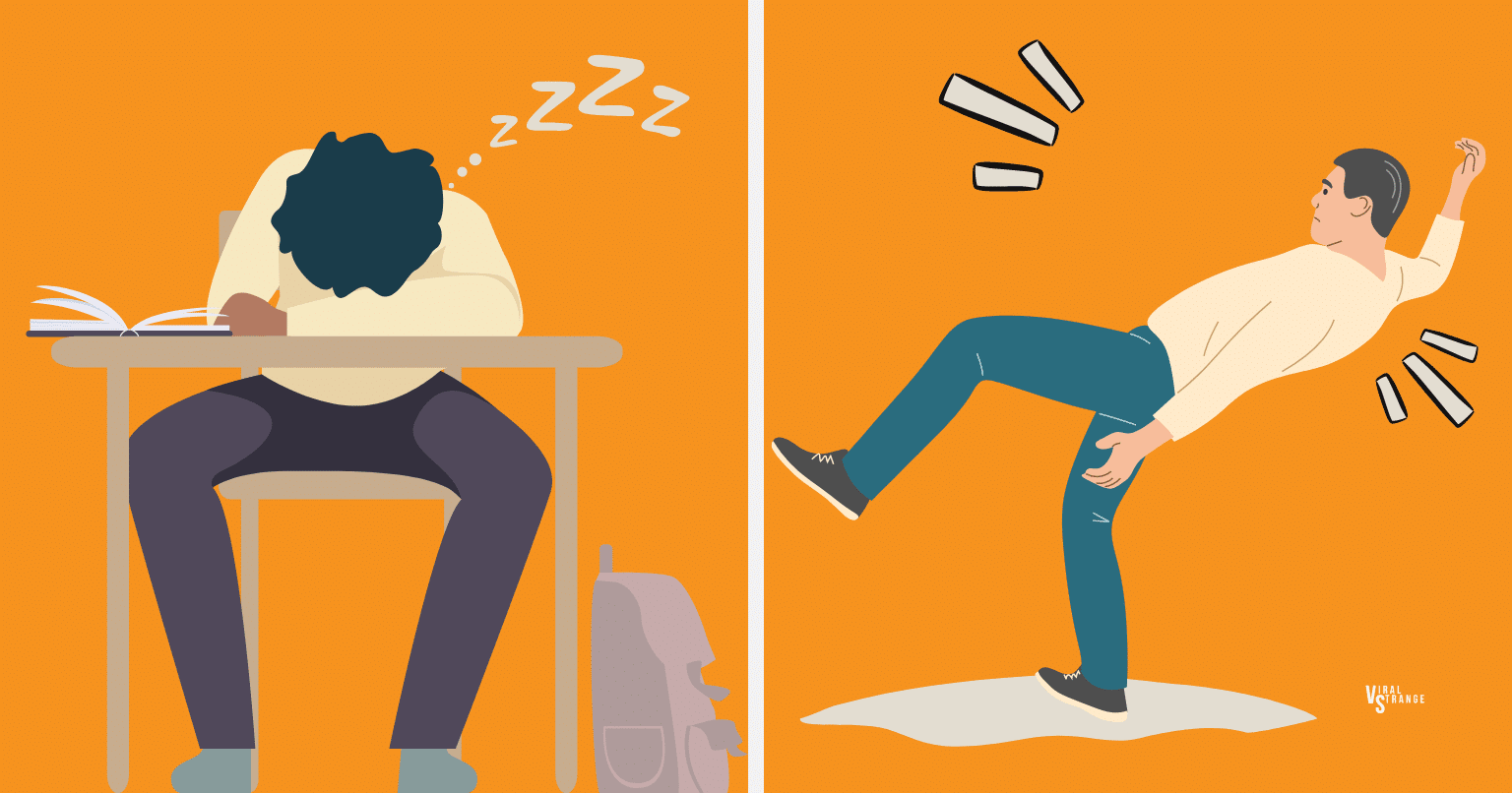
Some possible effects include reduced comfort while walking or driving, difficulty maintaining normal posture during sleep, and an increased risk of falls if numbness affects balance or coordination.
Circulatory problems may also be associated with certain cases, making proper medical evaluation important when symptoms become persistent.
Different Types of Paresthesia
Paresthesia can occur in several forms, each affecting different parts of the body.
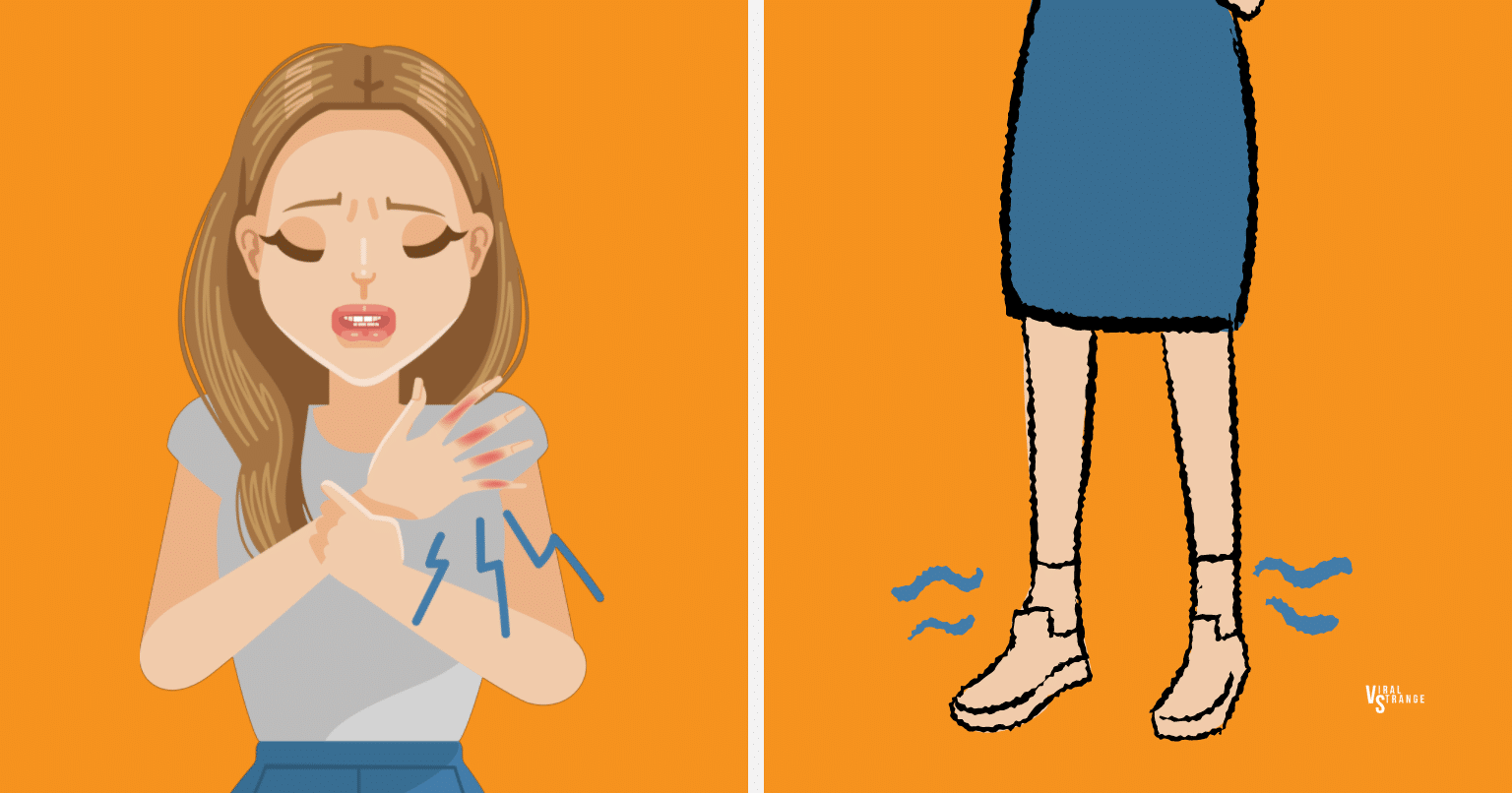
Buerger’s paresthesia is associated with tingling or reduced sensation in the fingers, toes, or legs. It is commonly described in younger adults and has been linked to unhealthy lifestyle habits.
Another form, known as meralgia paresthetica, affects the outer portion of the thigh. Individuals may experience numbness, tingling, or a burning sensation in that specific area.
Because different forms of paresthesia involve different nerves and body regions, symptoms may vary considerably from one person to another.

When Paresthesia Becomes Chronic
While temporary episodes are common, paresthesia that occurs repeatedly or remains for extended periods may indicate a more serious medical problem.
Chronic paresthesia can sometimes be associated with neurological diseases or nerve damage. Conditions such as stroke, multiple sclerosis, encephalitis, tumors, vascular injuries, and carpal tunnel syndrome are among the possible underlying causes.
Persistent tingling should never be dismissed, especially when accompanied by other unusual symptoms or changes in strength, coordination, or sensation.

When Medical Evaluation Is Important
Anyone experiencing ongoing or recurring paresthesia should seek professional medical evaluation to determine the underlying cause. Only a qualified healthcare provider can establish an accurate diagnosis and recommend appropriate testing or treatment.
Immediate medical attention may be necessary if tingling begins suddenly, follows a recent head injury, affects an entire arm or leg, or occurs together with weakness or paralysis.
Additional warning signs include confusion, difficulty speaking, dizziness, or the sudden onset of a severe headache. These symptoms may require urgent medical assessment.
Medical evaluation is also recommended when symptoms develop gradually, affect both sides of the body, repeatedly come and go, appear related to repetitive activities, or remain limited to areas such as the fingers or toes for prolonged periods.
Recognizing the Difference Between Temporary and Persistent Symptoms
Most episodes of tingling are temporary and resolve on their own after pressure on a nerve is relieved. Sitting in one position for too long or accidentally compressing a limb during sleep are among the most common reasons for experiencing the familiar “pins and needles” sensation.
However, symptoms that continue to return or become progressively worse deserve closer attention. Persistent numbness or tingling may indicate that a nerve is being repeatedly irritated or that another medical condition requires investigation.
Paying attention to when symptoms occur, how long they last, and whether they are accompanied by other changes can provide useful information during a medical evaluation.
The Importance of Professional Diagnosis
Although many cases of paresthesia are harmless and temporary, it is impossible to determine the exact cause without proper medical assessment. Self-diagnosis may delay appropriate treatment when an underlying condition is present.
A healthcare professional can evaluate symptoms, perform necessary examinations, and determine whether additional testing is needed. Early diagnosis may help identify conditions before they progress further.
Seeking timely medical advice is especially important whenever tingling is persistent, severe, or accompanied by other neurological symptoms.
Understanding When to Take Action
Experiencing an occasional tingling sensation after sitting or sleeping in one position is a normal occurrence for many people. In most situations, the discomfort fades quickly once normal circulation and nerve function return.
Recurring or unexplained paresthesia, however, should not be ignored. Recognizing changes in sensation and seeking medical evaluation when symptoms persist can help identify potential health concerns that require treatment.
Understanding the difference between temporary “pins and needles” and chronic paresthesia allows individuals to respond appropriately while ensuring that potentially serious conditions receive prompt medical attention.