
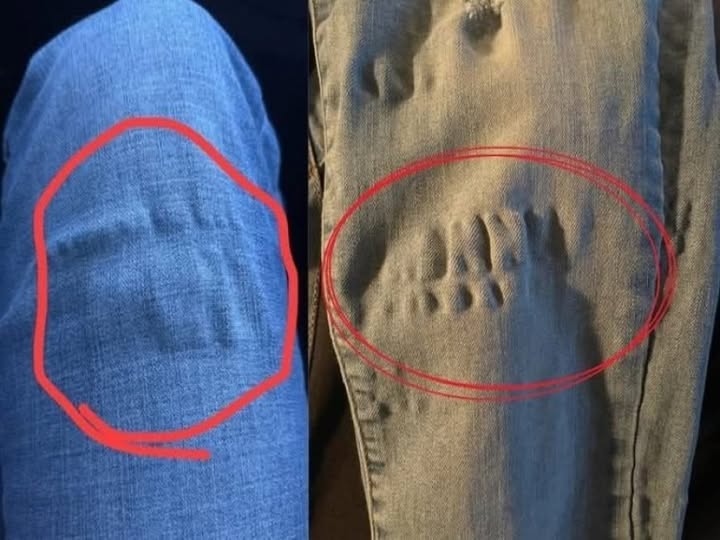
Few things are more frustrating than pulling your favorite pair of jeans out of the laundry only to find odd ripples, puckers, or wrinkles all over them. One day, they fit perfectly; the next, they seem twisted, clinging in awkward ways, as if the washing machine waged a battle against them.
If you’ve ever stared at denim in disbelief and wondered why it looks so different straight from the wash, you’re not alone. The good news: this isn’t a random fabric failure. There are several explainable reasons behind those frustrating waves, and understanding them can help you protect your favorite jeans.
The Real Reasons Jeans Ripple, Pucker, or Wrinkle
Modern jeans are rarely made from 100% cotton. Most include a small percentage of Lycra or elastane, giving the denim a slight stretch for comfort. While this stretch makes wearing them more pleasant, it also introduces new vulnerabilities, particularly when exposed to heat, moisture, or mechanical stress.
Here’s what’s really happening inside your washer and dryer:
1. Heat Breaks Down Lycra
The number one culprit behind rippling denim is heat. Lycra is highly sensitive to temperature, and high heat can damage its elastic properties.
-
Washer or dryer heat: Hot water cycles and high-heat drying can cause Lycra fibers to deteriorate.
-
Fiber distortion: As Lycra loses elasticity, surrounding cotton fibers warp, creating uneven puckering or wavy patches. Unlike pure cotton, which generally shrinks uniformly, stretch denim reacts irregularly.
-
Permanent damage: Once Lycra is compromised, the affected areas cannot return to their original smoothness.
Overwashing also contributes. Many people wash jeans far more often than necessary. Frequent laundering gradually wears down the fibers, further affecting fit and texture. Experts now recommend washing jeans less often—sometimes only after several wears—to maintain elasticity and appearance.
2. The Washer Stresses the Fabric
Even without heat, the motion inside a washing machine can deform jeans.
-
Twisting and tumbling: Jeans are tossed, spun, and stretched in multiple directions.
-
Overloading consequences: When too many garments crowd the drum, fabrics tangle and pull unevenly.
-
Stretch denim vulnerability: Wet, heavy stretch denim dries under variable tension—some areas tighten while others loosen.
The result is uneven ripples, puckers, and wavy textures that seem to appear overnight. The mechanical stress of the washer itself is enough to distort the delicate balance of stretch fibers.
3. Drying Method Matters
Drying practices can exacerbate ripples:
-
High-heat dryers accelerate Lycra breakdown and shrink certain areas faster than others.
-
Hanging incorrectly can create tension points. Hanging jeans by the waistband or a single corner can pull fabric out of shape while drying.
-
Air drying flat on a clean, level surface often reduces uneven stress and helps preserve the smooth structure of the denim.
Choosing the right drying approach is as crucial as washing technique when trying to prevent those unwanted waves.
4. Storage and Handling
Even after washing and drying, how you store your jeans can influence their texture:
-
Folding along creases may reinforce unwanted lines.
-
Cramming into drawers increases friction and can create permanent ripples.
-
Hanging with clips or hangers that pinch may distort the fabric over time.
Careful folding or draping helps maintain the shape and reduces wrinkling from storage.
How to Keep Your Jeans Smooth
Fortunately, there are simple ways to protect your denim from heat, stress, and mechanical distortion:
-
Wash less often: Unless visibly soiled, jeans can go multiple wears before needing a wash.
-
Use cold water: Cooler temperatures are gentler on Lycra and reduce fiber stress.
-
Avoid high-heat drying: Air dry flat or hang loosely to prevent uneven tension.
-
Don’t overload the washer: Give jeans room to move freely without tangling.
-
Store carefully: Fold or hang in a way that minimizes pinching, pulling, or creasing.
These small adjustments can dramatically extend the life of your favorite pair and preserve their fit, texture, and appearance.
Why Stretch Denim Is More Delicate
Traditional 100% cotton jeans shrink more predictably and recover better after washing. Stretch denim, however, relies on Lycra to maintain flexibility. Any combination of heat, twisting, or uneven drying affects elasticity in localized spots, creating those notorious ripples.
Understanding this explains why some jeans seem to “age” quickly in the laundry, even with careful handling. The key is to respect the properties of stretch fibers while minimizing environmental stress.
Final Thoughts
Those ripples, puckers, and waves aren’t a sign that your jeans are defective—they’re a natural reaction to the way stretch denim interacts with water, heat, and movement. By adjusting washing frequency, temperature, drying methods, and storage, you can significantly reduce the appearance of these frustrating distortions.
Smooth, well-fitting jeans aren’t just about quality or brand—they’re about care. Treat them gently, and they’ll maintain their shape, fit, and comfort far longer.