
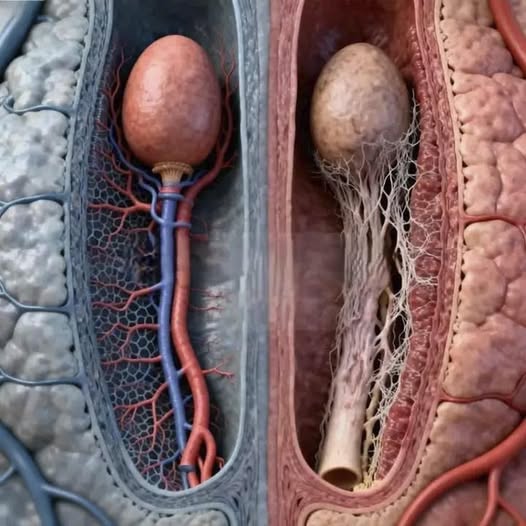
Most people believe that when something essential inside the body is in trouble, the body will send unmistakable warning signs. Pain, discomfort, or sudden symptoms are often expected to act as alarms. The kidneys, however, operate differently. These organs rarely announce distress early. Instead, they continue working quietly, compensating for damage over long periods of time. By the point clear symptoms emerge, kidney function may already be severely and sometimes permanently compromised.
This silent progression is what makes kidney health both easy to ignore and critically important. Millions of people worldwide live with reduced kidney function without realizing it, often discovering the problem only after significant loss has already occurred.
The kidneys are among the body’s most efficient and hardworking organs. Each day, they filter roughly 120 to 150 quarts of blood, removing waste products, excess fluids, and toxins. At the same time, they carefully preserve substances the body needs, such as electrolytes, proteins, and nutrients. This continuous balancing act happens without conscious effort and usually without noticeable sensation.
Beyond filtration, the kidneys play a central role in regulating blood pressure by managing fluid levels and releasing hormones that influence vascular tone. They also stimulate the production of red blood cells by releasing erythropoietin and help maintain strong bones by balancing calcium and phosphorus levels while activating vitamin D. When kidney function declines, these systems are disrupted, affecting nearly every part of the body.
One of the greatest dangers of kidney disease is how gradually it develops. Early-stage kidney damage rarely causes pain or dramatic changes. The body adapts, and the remaining healthy kidney tissue compensates for what has been lost. This adaptability can mask deterioration for years. As a result, many people remain unaware of a problem until damage reaches an advanced stage.
When symptoms finally appear, they are often subtle at first. Persistent fatigue may develop as waste products accumulate in the blood or as anemia worsens. Swelling in the ankles, feet, or face can occur when fluid balance is disrupted. Changes in urination, such as increased frequency, foamy urine, or darker coloration, may be noticed. High blood pressure can both contribute to and result from kidney damage, creating a dangerous feedback loop.
Modern lifestyles place increasing strain on kidney health. Diets high in sodium and added sugars force the kidneys to work harder to maintain balance. Excess salt contributes to elevated blood pressure, which damages the delicate blood vessels within the kidneys over time. High sugar intake raises the risk of insulin resistance and diabetes, one of the leading causes of chronic kidney disease.
Sedentary habits further compound the problem. Physical inactivity is associated with higher rates of obesity, hypertension, and metabolic disorders, all of which increase kidney workload. Chronic stress also plays a role, as stress hormones can elevate blood pressure and promote inflammation throughout the body.
Another often-overlooked factor is dehydration. Even mild, repeated dehydration can reduce blood flow to the kidneys and impair their filtering ability. While a single episode may not cause lasting harm, long-term inadequate fluid intake can gradually contribute to declining kidney function.
The widespread use of medications adds another layer of risk. Many over-the-counter pain relievers, particularly nonsteroidal anti-inflammatory drugs, can reduce blood flow to the kidneys when used frequently or at high doses. Certain prescription medications, supplements, and herbal products may also strain kidney function, especially when taken without proper medical guidance.
Inflammation is another silent contributor. Chronic low-grade inflammation, often driven by poor diet, stress, or untreated medical conditions, can damage kidney tissue over time. Autoimmune disorders, infections, and long-standing illnesses further increase vulnerability.
Because kidney damage often advances without clear warning, prevention becomes the most powerful tool. Proactive care allows problems to be identified early, when intervention can slow or even halt progression.
Staying properly hydrated is one of the simplest and most effective protective measures. Adequate water intake supports efficient filtration and helps prevent the buildup of waste products. While individual hydration needs vary, consistently drinking water throughout the day supports kidney function.
Nutrition also plays a critical role. Eating balanced meals that emphasize whole foods helps reduce unnecessary strain. Limiting processed foods lowers sodium intake, supporting healthy blood pressure. Reducing excessive sugar consumption helps maintain stable blood glucose levels, decreasing the risk of diabetes-related kidney damage. Including fruits, vegetables, lean proteins, and healthy fats supports overall metabolic health, indirectly protecting the kidneys.
Regular physical activity offers multiple benefits. Exercise helps regulate blood pressure, improves insulin sensitivity, and supports cardiovascular health. Even moderate, consistent movement can significantly reduce risk factors associated with kidney disease. Physical activity also improves circulation, ensuring the kidneys receive adequate blood flow.
Monitoring key health markers is another essential step. Routine blood pressure checks can reveal early hypertension before symptoms develop. Blood and urine tests that assess kidney function can detect subtle changes long before noticeable symptoms appear. Early identification allows healthcare providers to recommend lifestyle adjustments or treatments that preserve remaining kidney function.
Responsible medication use is equally important. Following dosage instructions, avoiding unnecessary medications, and consulting healthcare providers before combining drugs or supplements can prevent accidental kidney injury. This is especially important for individuals with existing health conditions or those taking multiple medications.
Certain populations face higher risks and benefit even more from proactive kidney care. People with diabetes, high blood pressure, heart disease, or a family history of kidney problems should be especially vigilant. Aging also naturally reduces kidney efficiency, making preventive measures increasingly important over time.
The long-term consequences of untreated kidney disease can be severe. As kidney function declines, waste products accumulate in the bloodstream, leading to systemic effects that impact the heart, brain, bones, and immune system. Advanced kidney failure may require dialysis or transplantation, both of which dramatically alter quality of life.
What makes kidney protection particularly impactful is that many protective actions benefit overall health as well. Maintaining a balanced diet, staying active, managing stress, and monitoring health indicators improve not only kidney function but also cardiovascular health, metabolic balance, and longevity.
The quiet nature of the kidneys should not be mistaken for resilience without limits. Their ability to adapt and compensate is remarkable, but it is not infinite. Once a significant portion of kidney function is lost, recovery becomes difficult or impossible. Prevention, therefore, is not optional—it is essential.
By recognizing the kidneys as silent but vital organs, individuals can shift from reactive care to proactive preservation. Paying attention before pain or dysfunction appears allows these organs to continue performing their critical work efficiently and reliably.
Protecting kidney health is ultimately an investment in long-term vitality. When these organs are supported, the entire body benefits from cleaner blood, balanced fluids, stable blood pressure, and stronger overall resilience. Quiet though they may be, the kidneys deserve consistent care, respect, and attention long before they are forced to ask for it.