
What a Purple Beach Flag Really Means and Why Visitors Should Pay Attention
A Small Flag With an Important Message
A day at the beach often brings images of clear skies, gentle waves, and relaxing time by the water. However, safety systems are in place to help visitors understand changing ocean conditions, and one of the most important signals is the purple flag.
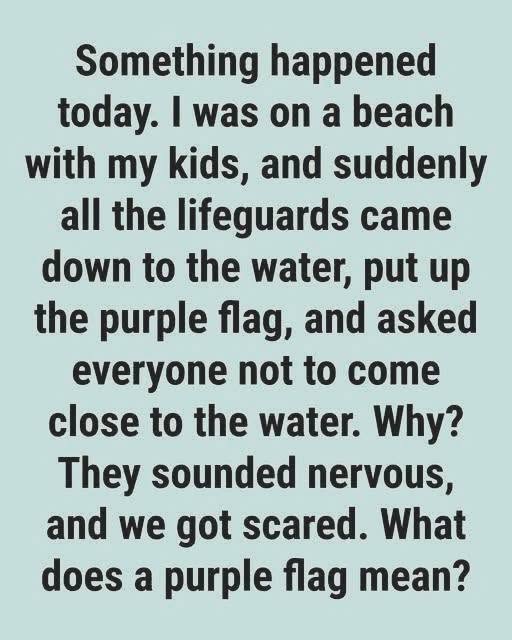
While it may not attract as much attention as other beach warnings, the purple flag serves a valuable purpose. When displayed along the shoreline, it alerts visitors to the possible presence of potentially hazardous marine life in the surrounding waters.
The appearance of this flag does not automatically mean the beach is closed or that entering the water is prohibited.
Instead, it serves as a precautionary warning intended to increase awareness and encourage beachgoers to exercise additional care.
Many people assume that calm water means safe conditions. However, marine environments can change rapidly, and hazards may exist even when the ocean appears peaceful.
The purple flag helps communicate those risks in a simple and highly visible way.
Understanding the Purpose of the Purple Flag
The purple flag is commonly used by lifeguards and coastal safety officials to indicate that potentially dangerous marine animals have been observed in the area or that conditions make encounters more likely.
Its primary purpose is education and prevention.
Rather than creating alarm, the flag encourages visitors to be more attentive to their surroundings while enjoying the beach.
Coastal environments are home to a wide variety of marine species, many of which are harmless.
However, some animals can cause injuries, irritation, or discomfort if accidental contact occurs.
By displaying a purple flag, safety personnel provide advance notice so swimmers, surfers, and waders can take appropriate precautions.
The system allows beach visitors to make informed decisions about entering the water and participating in recreational activities.
Awareness often plays a major role in preventing unnecessary incidents.
Why Marine Life Moves Closer to Shore
The ocean is constantly changing due to environmental factors such as tides, currents, weather conditions, and water temperatures.
These natural changes influence where marine animals travel and gather.
At certain times, creatures that typically remain farther offshore may be carried closer to beaches.
Strong currents can transport jellyfish toward the shoreline.
Shifts in water temperature may encourage certain species to move into shallow areas.
Wind patterns can also affect where marine organisms accumulate.
Even changes in food availability can alter the movement of ocean life.
As a result, a beach that appeared completely clear one day may experience increased marine activity the next.
The purple flag exists to communicate these changing conditions as quickly and effectively as possible.
Marine Animals Commonly Associated With Purple Flag Warnings
Several types of marine creatures are frequently linked to purple flag advisories.
Among the most commonly encountered are jellyfish.
While many jellyfish species pose little threat, others can deliver painful stings that cause skin irritation and discomfort.
The severity of reactions may vary depending on the species involved and the individual affected.
Another creature often associated with purple flag warnings is the Portuguese man o’ war.
Although frequently mistaken for a jellyfish, it is a different type of marine organism.
Contact with its tentacles can result in painful stings and more significant reactions in some cases.
Because these organisms can drift long distances with currents and wind, they may appear unexpectedly near popular swimming areas.
Beach visitors are encouraged to remain alert whenever warnings are posted.
Stingrays and Shallow Water Encounters
Stingrays are another marine species often mentioned when purple flags are displayed.
These animals commonly inhabit sandy coastal areas, particularly in warmer regions.
They frequently rest partially buried beneath the sand in shallow water.
Because they are difficult to see, swimmers and waders may accidentally step on them.
When startled or threatened, stingrays may react defensively.
Although such encounters are usually accidental, they can result in painful injuries.
The presence of stingrays does not mean the beach is unsafe.
Rather, it indicates that additional caution should be exercised when moving through shallow water.
Simple awareness can significantly reduce the likelihood of an unexpected encounter.
Other Marine Life That May Trigger a Warning
Depending on the location and season, other marine organisms may also contribute to purple flag advisories.
Some regions experience increased activity from small stinging creatures that are difficult to detect in the water.
Various local species may present minor risks to swimmers during certain times of the year.
These animals are natural components of healthy marine ecosystems.
Their presence is not unusual and does not indicate that something is wrong with the environment.
Instead, the warning simply acknowledges that wildlife activity has increased in a way that may affect recreational water users.
Understanding this distinction helps visitors appreciate both the importance of safety and the natural complexity of coastal habitats.
How Lifeguards Determine When to Raise the Flag
Lifeguards and coastal safety teams rely on several sources of information when deciding whether to display a purple flag.
Direct observations play a major role.
If marine animals are spotted near swimming areas, officials may raise the warning immediately.
Reports from beach visitors can also contribute valuable information.
In some situations, environmental conditions alone may indicate a higher probability of marine life activity.
Weather patterns, tides, current movements, and recent sightings all help shape safety decisions.
The goal is to provide beachgoers with timely information before incidents occur.
By acting proactively, lifeguards help create safer recreational environments without unnecessarily restricting access to the water.
Recommended Safety Practices
When a purple flag is flying, experts generally recommend several simple precautions.
One widely encouraged technique involves shuffling your feet while walking through shallow water.
This movement can alert stingrays to a person’s presence and give them an opportunity to move away.
Parents are also encouraged to keep children within close supervision.
Younger swimmers may be less aware of environmental hazards and more likely to encounter marine life unexpectedly.
Remaining attentive while entering and exiting the water can significantly improve safety.
Beach visitors should also avoid touching unfamiliar animals, whether they appear alive or washed ashore.
Even marine creatures that seem inactive may still pose risks.
Maintaining a respectful distance helps protect both people and wildlife.
The Importance of Consulting Lifeguards
One of the most effective ways to stay informed is by speaking directly with lifeguards before entering the water.
These professionals continuously monitor local conditions and receive updates throughout the day.
They can explain why a warning has been posted and provide information specific to the beach being visited.
Conditions often vary from one location to another.
A hazard present in one section of the shoreline may not affect another area to the same extent.
Lifeguards can identify safer zones and recommend appropriate precautions based on current observations.
Their knowledge helps visitors make better decisions and enjoy the beach more confidently.
Taking a few moments to ask questions can provide valuable insight into changing ocean conditions.
The Ocean Is Constantly Changing
One reason beach safety systems are so important is that marine environments rarely remain the same for long.
Ocean conditions can shift within hours due to weather changes, tidal cycles, and other environmental influences.
A beach that appears completely safe in the morning may experience different conditions by afternoon.
Marine life movements are often influenced by these natural changes.
As a result, safety warnings may be added, removed, or adjusted throughout the day.
The purple flag reflects this dynamic reality.
Rather than suggesting danger is constant, it acknowledges that conditions can evolve quickly and sometimes unpredictably.
Recognizing this fact helps visitors develop a healthier respect for the natural environment.
Enjoying the Beach Responsibly
A purple flag does not mean beach activities must come to an end.
Many people continue swimming, surfing, and enjoying the water while following appropriate safety guidance.
The key is awareness rather than avoidance.
Visitors who understand the warning can adjust their behavior accordingly.
Staying within designated swimming zones, following lifeguard instructions, and remaining alert to posted notices are all effective ways to reduce risk.
Responsible beach behavior allows people to continue enjoying recreational opportunities while minimizing unnecessary exposure to hazards.
Simple precautions often make a significant difference.
By remaining informed, visitors can balance enjoyment with safety.
Environmental Awareness and Ocean Respect
The purple flag also serves as a reminder that humans share coastal environments with countless forms of marine life.
These animals play important roles within ocean ecosystems.
Their presence reflects the natural functioning of marine habitats rather than a problem that needs to be eliminated.
Understanding this perspective encourages greater respect for wildlife and environmental conservation.
Beach safety efforts are designed not only to protect people but also to promote coexistence with the natural world.
Recognizing that marine animals belong in these environments helps foster a more balanced relationship between recreation and ecological awareness.
Education remains one of the most effective tools for promoting both safety and environmental responsibility.
Why Awareness Matters
Many beach incidents occur not because conditions are exceptionally dangerous but because visitors are unaware of potential risks.
The purple flag helps address this challenge by providing a clear and visible warning that can be understood quickly.
Its purpose is not to create fear.
Instead, it encourages people to remain observant and informed.
Knowledge allows individuals to adapt their behavior and avoid situations that could lead to injury or discomfort.
When beachgoers understand the meaning of warning systems, they are better prepared to make safe decisions.
This awareness contributes to more enjoyable experiences for everyone using the shoreline.
A Simple Signal With Significant Value
Although it may seem like a small detail, the purple flag plays an important role in coastal safety.
It alerts visitors to the possible presence of marine life that may pose risks under certain conditions.
By communicating this information clearly, lifeguards and safety officials help reduce the likelihood of unwanted encounters.
The flag serves as a practical reminder that the ocean is a living, changing environment.
Its conditions cannot always be predicted, and wildlife activity can vary from day to day.
Understanding and respecting these realities allows people to enjoy the beach more responsibly.
Ultimately, the purple flag represents awareness rather than alarm. By paying attention to its message and following basic safety practices, beach visitors can continue enjoying the beauty of the ocean while helping ensure their time along the shoreline remains both safe and enjoyable.