
Concerns Raised Over Food Conditions on U.S. Navy Ships Amid Regional Tensions
Images From Deployed Vessels Spark Debate
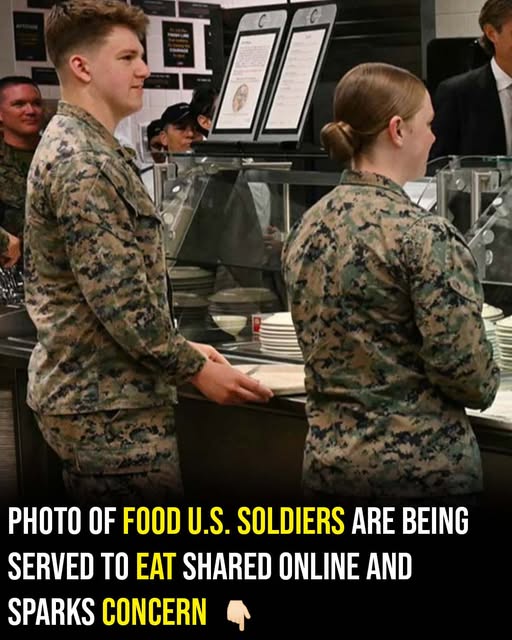
Photographs reportedly taken aboard U.S. Navy ships operating in a region marked by heightened tensions have prompted widespread discussion about conditions faced by service members at sea.
The images, shared by personnel aboard the USS Tripoli and the USS Abraham Lincoln and later published, appeared to show modest meal portions.
These visuals have led to questions from families and observers about whether those deployed are receiving adequate nutrition during extended missions.
Deployment Extends Beyond a Month
The USS Tripoli has reportedly been at sea for more than a month after leaving its home port in Japan.
The ship, along with its accompanying vessels, is part of operations tasked with maintaining a blockade of ships departing from Iranian ports.
Approximately 3,500 sailors and Marines are stationed across the group, carrying out duties under challenging and prolonged conditions.
Families Voice Growing Concerns
Relatives of those serving aboard the vessels have expressed increasing unease following the circulation of the images.
Some families have suggested that food supplies may be stretched, particularly during extended periods at sea.
The photos that circulated showed meals described as minimal, including small portions of tortillas with meat and another plate featuring processed meat and a few boiled vegetables.
These images have become central to concerns about whether personnel are being provided with sufficient food while deployed.
Limited Communication Adds to Worry
For families, communication with loved ones on board remains limited, adding uncertainty to an already stressful situation.
Dan, whose daughter is serving as a Marine aboard the Tripoli, said the information he has received suggests supplies may be under pressure.
He indicated that fresh produce may no longer be available based on what he has heard from his daughter.
“We have the strongest military in the world. You shouldn’t be running out of food, and you shouldn’t not be able to get mail on the ship,” Dan said.
“The one thing we had over our adversaries [was] we fed our people.”
Challenges With Delivering Supplies From Home
In response to these concerns, some families have attempted to send additional items to their loved ones.
Dan prepared a package containing toiletries and snacks, including everyday essentials and small comforts.
However, getting those items delivered has proven difficult.
Mail services to military ZIP codes in the Middle East were temporarily suspended earlier in the month.
This disruption has left packages delayed, with families uncertain about when or if they will arrive.
Navy Responds to Allegations
Officials have responded firmly to the claims, rejecting suggestions that service members are facing food shortages.
The office of the Chief of Naval Operations stated that reports describing inadequate food conditions are inaccurate.
“Recent reports alleging food shortages and poor quality aboard our deployed ships are false,” the statement said.
It added that both the USS Abraham Lincoln and the USS Tripoli have sufficient provisions available to support their crews.
“Both USS Abraham Lincoln and USS Tripoli have sufficient food onboard to serve their crews with healthy options. The health and wellbeing of our Sailors and Marines are my top priority, and every crew member continues to receive fully portioned, nutritionally balanced meals.”
Explanation for Mail Delays
The Navy also addressed the issue of disrupted mail services, explaining that the suspension was temporary and linked to operational conditions.
According to the statement, the pause has since been lifted, and efforts are underway to restore normal delivery.
“Our logistical network is highly adaptable, and we remain committed to supporting our warfighters as they execute Operation Epic Fury,” the statement continued.
Operational Demands Affect Daily Routines
Officials noted that adjustments to menus and supply management are a standard part of maintaining long-term deployments.
Such measures are described as necessary to ensure that resources are used efficiently while operations continue.
The Navy emphasized its ability to sustain crews during extended missions.
Additional Response From Leadership
Further reaction came from Pete Hegseth, who also rejected the claims circulating about food shortages.
He described the reports as inaccurate and defended the logistical systems supporting deployed forces.
“More FAKE NEWS from the Pharisee Press,” he wrote.
He added that available data confirmed sufficient supplies were in place for both ships.
“My team confirmed the logistics stats for the Lincoln & Tripoli. Both have 30+ days of Class I supplies (food) on board. NavCent monitors this everyday, for every ship. Our sailors deserve – and receive – the best.”
Ongoing Debate Over Conditions at Sea
The situation has sparked broader discussion about the realities of life aboard deployed naval vessels.
While officials maintain that conditions meet required standards, the concerns raised by families continue to resonate.
The combination of limited communication, delayed mail, and circulated images has contributed to ongoing scrutiny.
Balancing Operational Needs and Welfare
Long deployments often require careful balancing of operational priorities and the wellbeing of personnel.
Food supply, communication, and access to personal items all play a role in maintaining morale during extended missions.
As discussions continue, attention remains focused on ensuring that those serving at sea receive adequate support.
Focus Remains on Service Members
At the center of the debate are the sailors and Marines carrying out their duties under demanding circumstances.
Both their families and military leadership have emphasized the importance of their health and wellbeing.
The situation continues to draw attention as more information emerges and operations proceed.