
Understanding Swollen Feet in Older Adults: Causes, Risks, and Prevention
Why Swelling Occurs in the Lower Legs and Feet
Swollen feet are a common concern among older adults and can range from mild discomfort to a more persistent issue. While occasional swelling may happen after long periods of sitting or standing, frequent or ongoing swelling may point to an underlying condition that requires attention.
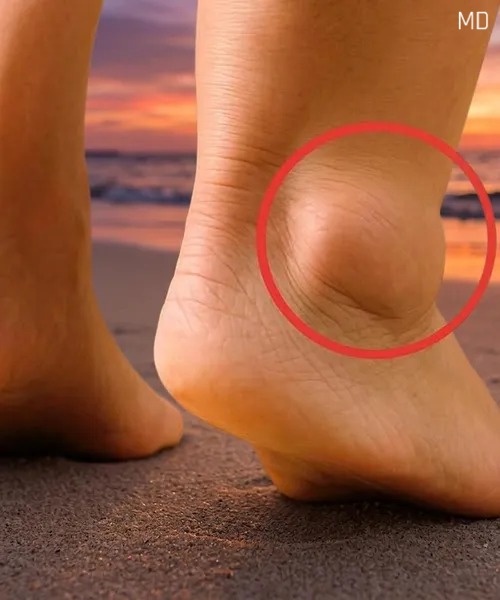
This type of swelling, known as edema, occurs when excess fluid accumulates in the tissues of the lower legs and feet. As the body ages, circulation may become less efficient, making it easier for fluid to collect in these areas. The result is visible puffiness, a feeling of tightness in the skin, and discomfort that is often most noticeable around the ankles.
Common Causes of Edema in Older Adults
Several factors can contribute to swelling in the feet and lower legs. One of the most frequent causes is reduced circulation, particularly in individuals who spend extended periods sitting or standing without movement. When blood flow slows, fluid can accumulate more easily in the extremities.
Another contributing condition is chronic venous insufficiency, where the veins struggle to return blood to the heart efficiently. This can lead to swelling along with sensations of heaviness and, in some cases, visible changes in the skin.
Certain medications may also play a role. Treatments for high blood pressure, diabetes, or inflammation can sometimes lead to fluid retention as a side effect. While this type of swelling is often manageable, it is important to be aware of its potential connection to prescribed medications.
When Swelling May Indicate a More Serious Issue
Although swelling is often harmless, it should not always be dismissed. In some situations, it may be associated with more serious conditions involving vital organs such as the heart, kidneys, or liver. Persistent or worsening swelling may require medical evaluation to rule out these possibilities.
Recognizing when swelling changes in frequency or severity is important. Paying attention to additional symptoms can help determine whether the condition is routine or requires further attention.
The Role of Daily Habits in Swelling
Lifestyle habits can significantly influence the likelihood and severity of swelling. A sedentary routine, for example, slows circulation and increases the chances of fluid buildup in the lower body.
Extended periods of immobility, such as long travel or sitting for many hours, can further contribute to the problem. Without regular movement, the body has difficulty maintaining proper fluid balance in the extremities.
Diet also plays a critical role. Consuming high levels of salt encourages the body to retain water, which can worsen swelling. Over time, these habits may make swelling more frequent and noticeable.
Simple Ways to Reduce Swelling
There are several practical steps that can help reduce swelling and improve comfort. Staying physically active is one of the most effective approaches, as movement supports healthy circulation and prevents fluid from accumulating.
Taking breaks to walk or stretch throughout the day can make a noticeable difference, especially for those who sit or stand for long periods. Elevating the feet whenever possible can also help reduce fluid buildup by encouraging circulation back toward the heart.
Supportive Measures for Daily Comfort
Wearing comfortable, well-fitting shoes can help reduce pressure on the feet and improve overall comfort. Supportive footwear allows for better distribution of weight and reduces strain on the lower legs.
Compression socks are another helpful option. They apply gentle pressure to the legs, which can assist with circulation and minimize fluid retention. For many individuals, this simple addition can significantly improve daily comfort.
The Importance of a Balanced Diet
Nutrition plays a key role in managing fluid balance within the body. Reducing sodium intake can help prevent excess water retention, which is a common contributor to swelling.
Incorporating potassium-rich foods into the diet can also support fluid regulation. These dietary adjustments, when combined with other healthy habits, can help reduce the frequency and severity of swelling.
Maintaining Mobility and Long-Term Health
Addressing swollen feet is not only about comfort but also about maintaining mobility and overall well-being. Persistent swelling can make walking and daily activities more difficult, impacting quality of life over time.
By adopting simple lifestyle changes, older adults can improve circulation, reduce discomfort, and support long-term health. Regular movement, mindful eating, and supportive footwear all contribute to better outcomes.
Conclusion
Swollen feet are a common experience for many older adults, often caused by fluid buildup in the lower extremities. While occasional swelling may be harmless, persistent symptoms can indicate underlying issues that should not be ignored.
Understanding the causes and taking proactive steps can make a significant difference. Through healthy habits, proper care, and attention to changes in the body, it is possible to manage swelling effectively and maintain comfort and mobility.