
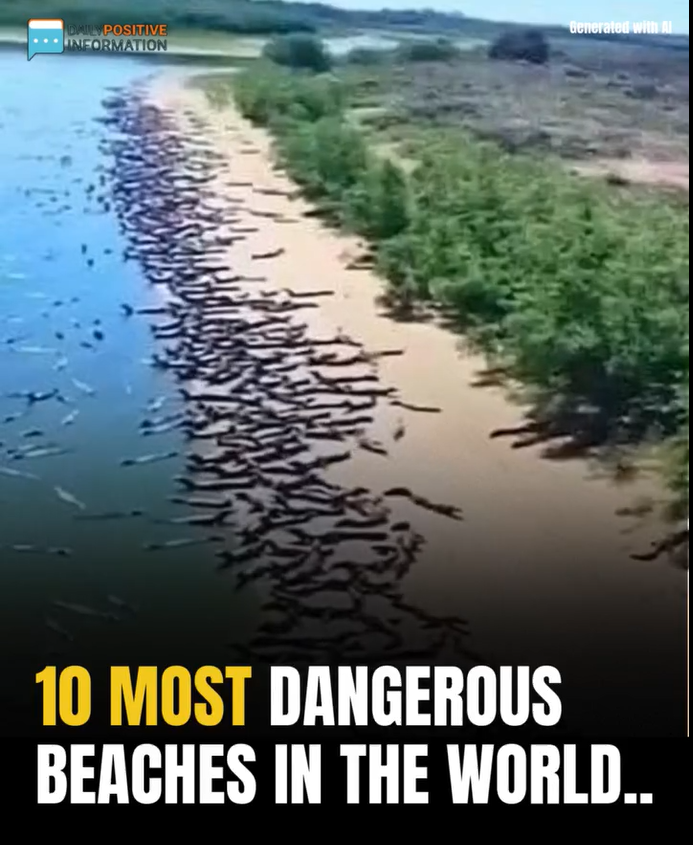
The World’s Most Dangerous Beaches: Hidden Hazards Beneath Beautiful Shorelines
When Paradise Comes With Risks
Beaches are widely associated with relaxation, warm sunshine, and peaceful ocean breezes. Families, travelers, and adventurers often gather along coastlines to swim, sunbathe, and enjoy scenic landscapes.
Despite their beauty, not every shoreline offers safe conditions. Many beaches around the world conceal hazards ranging from powerful currents and dangerous wildlife to pollution and extreme natural forces.
Understanding these risks allows travelers to make informed decisions before entering the water. Awareness also helps visitors respect the powerful natural forces that shape coastal environments.
Several locations around the globe have gained reputations as some of the most dangerous beaches due to the hidden threats present in their waters and surrounding environments.
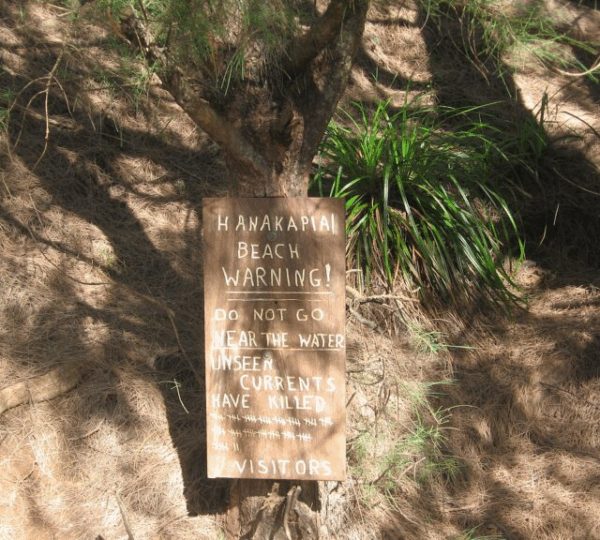
Hanakapiai Beach, Hawaii, United States
Hanakapiai Beach sits along the north shore of Kauai and is surrounded by dramatic cliffs, waterfalls, and lush greenery.
The beach attracts hikers exploring the scenic Kalalau Trail and visitors seeking views of the rugged Hawaiian coastline.
Despite its striking appearance, Hanakapiai Beach is known for extremely dangerous rip currents.
The powerful currents can form quickly and pull swimmers away from the shore even when ocean conditions appear calm.
Over time, these sudden currents have carried many swimmers out to sea.
Warning signs and surf advisories strongly discourage swimming in the area.
Even experienced swimmers can be overwhelmed by the strength of the water.
The beach’s remote location and steep access trail also make rescue operations difficult, requiring emergency teams to navigate narrow and slippery paths.
Skeleton Coast, Namibia
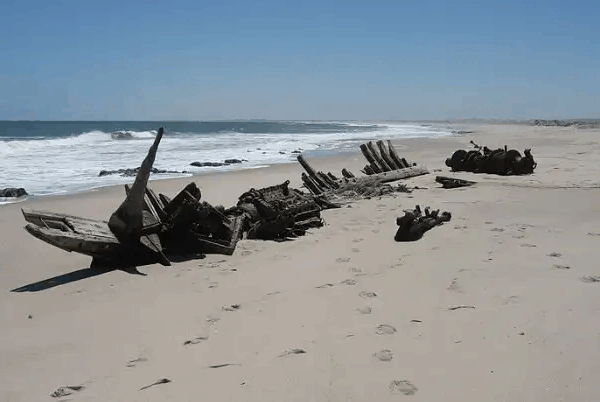
Namibia’s Skeleton Coast stretches across a remote section of the Atlantic shoreline known for its haunting beauty.
The region gained its name from the numerous whale bones and shipwrecks scattered along the sand.
Heavy Atlantic swells and strong currents dominate the waters in this area.
These conditions make swimming and boating extremely hazardous without specialized equipment and professional guidance.
Great white sharks are also known to patrol the offshore waters.
The predators are attracted by seal colonies and other marine life in the region.
On land, the harsh desert coastline hosts wildlife such as hyenas, jackals, and scorpions.
These animals are adapted to survive in the challenging environment and can pose additional risks to visitors.
The cold ocean waters, strong winds, and limited infrastructure make the area particularly dangerous for travelers without proper preparation.
Cape Tribulation Beach, Queensland, Australia
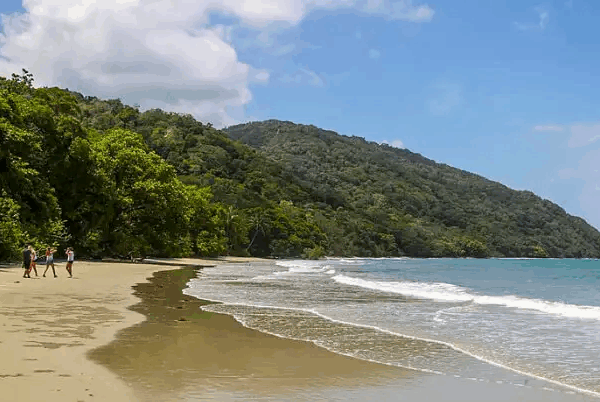
Cape Tribulation Beach lies within the Daintree Rainforest, one of the world’s oldest rainforest ecosystems.
The location is known for its beautiful white sand beaches and dense tropical vegetation.
However, the surrounding waters contain dangerous marine creatures.
Box jellyfish and Irukandji jellyfish inhabit the region and are capable of delivering extremely painful stings.
The stinger season typically runs between October and May.
During this time, many beaches restrict swimming or require protective stinger suits.
Saltwater crocodiles also inhabit nearby rivers and estuaries.
These powerful reptiles can enter coastal waters without warning.
Another hazard in the area is the Gympie-Gympie plant, a stinging tree that releases painful toxins through its fine hairs when touched.
New Smyrna Beach, Florida, United States
New Smyrna Beach is a popular coastal destination located along Florida’s Atlantic shoreline.
The beach is well known for surfing, warm waters, and wide sandy areas.
However, the location has recorded one of the highest numbers of shark encounters in the world.
Most of these incidents involve brief exploratory bites rather than major predatory attacks.
Sharks are often drawn close to shore because of baitfish populations and ocean channels near sandbars.
Encounters typically occur during early morning or evening hours when marine life is most active.
Local lifeguards monitor conditions and raise warning flags during periods of increased shark activity.
Visitors are encouraged to remain alert and avoid swimming alone or splashing excessively in the water.
Fraser Island, Queensland, Australia
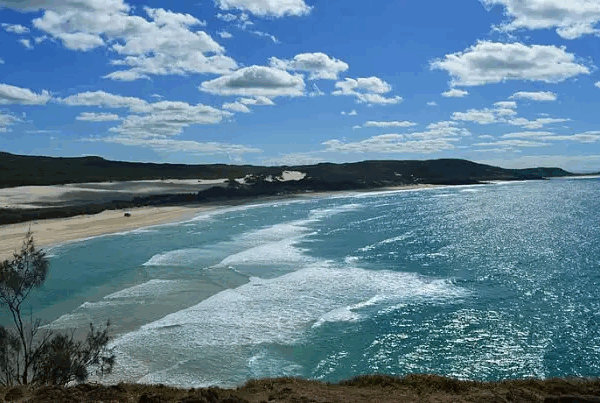
Fraser Island is the largest sand island on Earth and features freshwater lakes, massive dunes, and long coastal beaches.
Despite its tranquil appearance, the island’s waters contain several natural hazards.
Venomous jellyfish can appear along the shoreline, particularly during warmer months.
Wild dingoes also inhabit the island.
Although these animals often avoid people, they are considered apex predators and can behave aggressively if they feel threatened.
The surrounding ocean currents are powerful and unpredictable.
Shifting sandbars and rough surf conditions can overwhelm swimmers who underestimate the strength of the waves.
Many areas of Fraser Island are remote, meaning lifeguards and emergency services may not be immediately available.
Gansbaai, South Africa
The coastal town of Gansbaai in South Africa is internationally known as “Shark Alley.”
The waters nearby host a significant population of great white sharks.
The predators gather in the region because of the abundance of marine mammals.
Gansbaai has become a center for shark cage diving tourism.
Visitors can observe sharks safely while protected inside secure cages lowered into the ocean.
While these experiences follow strict safety procedures, swimming freely in the surrounding waters is strongly discouraged.
Great white sharks in the region can grow to more than five meters in length.
Their keen senses allow them to detect movement or splashing from considerable distances.
Playa Zipolite, Mexico
Playa Zipolite is located along Mexico’s southern Pacific coastline.
The beach has earned the nickname “Beach of the Dead” because of its strong currents and dangerous undertows.
The surf patterns in the area create powerful rip currents that shift with changing tides.
These currents can quickly drag swimmers away from the shore.
The beach lacks natural reefs that might otherwise soften incoming waves.
Lifeguard coverage has historically been limited in some areas.
Visitors unfamiliar with the ocean conditions may underestimate the strength of the currents.
Despite these dangers, the beach remains popular among surfers and travelers who enjoy its relaxed atmosphere.
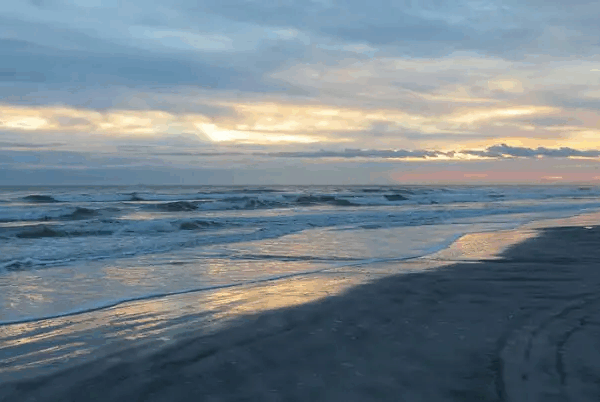
Kilauea Beach, Hawaii, United States
Kilauea Beach on Hawaii’s Big Island lies near one of the most active volcanoes in the world.
The nearby Kīlauea volcano frequently sends lava flows toward the ocean.
When lava enters the sea, it produces extremely hot water and clouds of steam.
The process can also release acidic plumes and volcanic gases.
These gases may irritate the eyes, lungs, and skin.
In some areas, volcanic glass and sharp lava fragments can accumulate along the shoreline.
Explosive reactions between lava and seawater occasionally occur, sending debris into the air.
Local authorities regularly issue warnings when volcanic activity increases.
Chowpatty Beach, Mumbai, India
Chowpatty Beach is one of the most well-known coastal areas in Mumbai.
The beach attracts large crowds for festivals, street food, and evening walks along the waterfront.
Despite its cultural significance, the area has struggled with severe pollution.
Untreated sewage, industrial runoff, and accumulated waste have affected water quality.
Swimming is strongly discouraged due to potential exposure to harmful bacteria and contaminants.
Health authorities warn that contact with the water may lead to skin infections or gastrointestinal illness.
Heavy rainfall can worsen the problem by washing additional waste into the sea.
Amazon River Beaches, South America
Beaches along the Amazon River and its many tributaries offer remarkable natural beauty.
These areas are surrounded by tropical rainforest and unique wildlife ecosystems.
However, the freshwater environments also contain potentially dangerous animals.
Piranhas inhabit many parts of the river system.
Although attacks on humans are rare, the fish possess sharp teeth and can bite when threatened.
Caimans, relatives of crocodiles, may rest near riverbanks and react aggressively if disturbed.
Anacondas and other large snakes are also present in some areas.
Strong river currents and sudden water level changes can create additional hazards for swimmers.
Understanding Beach Safety
While beaches are often associated with relaxation and recreation, they are shaped by powerful natural forces.
Oceans, rivers, wildlife, and weather patterns all influence conditions along shorelines.
Even locations that appear calm can contain hidden dangers beneath the surface.
Visitors can reduce risks by researching local conditions before visiting unfamiliar beaches.
Paying attention to warning signs and lifeguard advice is also essential.
Practical Safety Measures
Swimmers should always watch for warning flags and posted advisories.
Understanding rip currents and how they behave can help prevent accidents.
Choosing beaches with lifeguards greatly increases safety.
Travelers should also learn about seasonal hazards such as jellyfish activity or storm patterns.
Respecting wildlife and avoiding unnecessary contact with unfamiliar animals is equally important.
Respecting Nature’s Power
Every coastline and riverbank reflects the dynamic forces of nature.
These environments can be breathtakingly beautiful but also unpredictable.
Approaching beaches with awareness and caution allows visitors to enjoy them safely.
Responsible travel includes respecting warnings, understanding local conditions, and recognizing personal limits in the water.
With proper knowledge and preparation, beach experiences can remain both memorable and safe.