
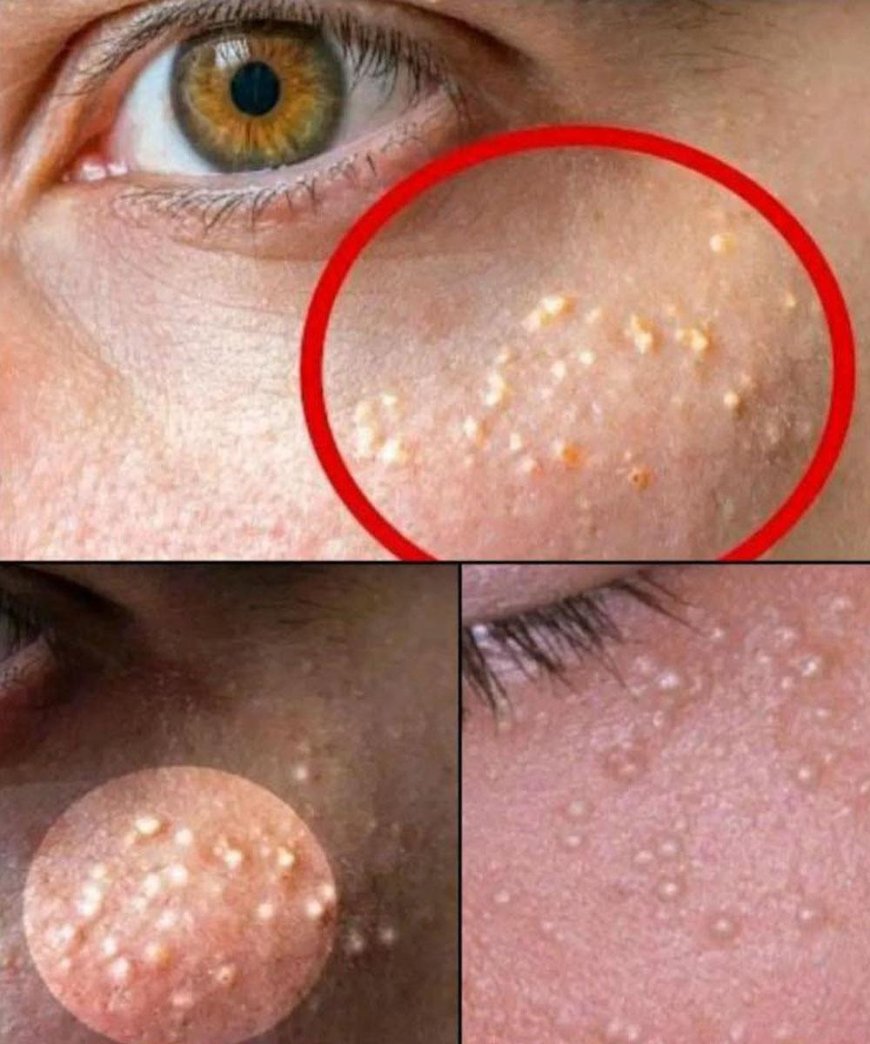

Tiny White Bumps on Your Face? What Milia Are and How to Treat Them Safely at Home
Understanding Those Stubborn Little White Bumps
You may have noticed small, firm, white bumps appearing around your eyes, cheeks, or forehead. They resemble whiteheads, yet no amount of squeezing, scrubbing, or acne treatment seems to make them disappear.
These bumps are not traditional pimples. They are milia—tiny, harmless cysts that develop when keratin, a natural protein found in the skin, becomes trapped beneath the surface.
Unlike blackheads or whiteheads, milia do not have an opening to the skin’s surface. That means they cannot be safely squeezed or extracted at home. Attempting to pop them can lead to redness, scarring, irritation, or infection.
While milia are commonly seen in newborns and often resolve on their own, adults frequently experience them as well. They tend to appear more often with age due to slower skin cell turnover, cumulative sun exposure, or the use of heavier skincare products.
The reassuring news is that aggressive treatments are usually unnecessary. With a gentle and consistent approach, many cases of milia can be managed safely at home.
Why Milia Develop in Adults
Milia form when dead skin cells and keratin become trapped beneath the outer layer of skin. Rather than shedding naturally, the buildup becomes enclosed, creating the small white bump visible on the surface.
Several common factors can contribute to this process.
Sun exposure is a major trigger. Ultraviolet rays thicken the outer layer of the skin over time, making it easier for keratin to become trapped.
Heavy creams and oils can also play a role. Rich eye creams, petroleum-based products, or thick occlusive moisturizers may block tiny openings in the skin, increasing the likelihood of buildup.
Skin trauma is another contributor. Burns, blisters, or aggressive chemical peels can interfere with normal exfoliation, leading to trapped debris beneath the surface.
Aging naturally slows down skin cell turnover. As this process becomes less efficient, dead skin cells are more likely to accumulate rather than shed properly.
Genetics may also influence susceptibility. Some individuals are simply more prone to developing milia regardless of skincare routine.
It is important to note that milia are not caused by poor hygiene. They are related to how the skin functions structurally, not how clean it is.
What You Should Avoid
One of the most common mistakes is attempting to squeeze or pick at milia. Because they lack a pore opening, pressure will not release the trapped keratin. Instead, it often leads to inflammation or lasting marks.
Using sharp tools or at-home extraction kits is also risky. The delicate skin around the eyes and cheeks can easily be punctured, increasing the risk of infection and scarring.
Over-exfoliating is another frequent error. Harsh scrubs cannot reach the trapped material beneath the skin. Excessive friction may instead irritate and weaken the skin barrier.
If milia appear suddenly in large numbers, become inflamed, or look unusual, professional evaluation is recommended. In rare cases, similar bumps may signal an underlying issue that requires medical assessment.
Gentle and Effective Ways to Reduce Milia at Home
Although patience is required, there are safe and practical methods to help reduce milia gradually.
1. Use Gentle Chemical Exfoliation
Chemical exfoliants containing alpha hydroxy acids (AHAs), such as glycolic acid or lactic acid, can help encourage natural skin renewal. Using these products two to three times per week supports the shedding of dead skin cells.
AHAs work by dissolving surface buildup, allowing trapped keratin to gradually move closer to the surface where it can naturally resolve.
This approach is best suited for areas like the cheeks and forehead. Direct application to the delicate eye area should be avoided unless specifically formulated for that purpose.
A lactic acid serum in the 5–10 percent range can be a gentle option, especially for those with sensitive skin.
2. Choose Lightweight, Non-Comedogenic Products
Switching to lighter skincare formulas can significantly reduce the risk of new milia forming.
Avoid heavy petroleum-based creams, thick moisturizers, and coconut oil near the eyes. These products may contribute to blocked openings in susceptible skin.
Look for labels that indicate “oil-free,” “non-comedogenic,” or “won’t clog pores.” Gel-based or water-based moisturizers are often better suited for areas prone to milia.
Hydration remains important. The goal is not to skip moisturizer but to select formulas that nourish without creating excessive occlusion.
3. Apply Sunscreen Daily
Consistent sun protection plays a key role in prevention. Ultraviolet exposure thickens the outer layer of the skin, increasing the likelihood of keratin becoming trapped.
A lightweight mineral sunscreen with SPF 30 or higher applied each morning helps protect the skin barrier and maintain healthy cell turnover.
Many modern sunscreen formulations are fluid and breathable, offering protection without clogging pores.
4. Try Warm Compresses for New Milia
For newly formed, small milia, a warm compress may help support natural release.
Applying a warm, damp washcloth to the area for five to ten minutes daily can gently soften the skin. This method is most effective in the early stages.
Heat alone will not immediately eliminate milia, but it may assist the skin’s natural renewal process.
When Professional Treatment Is Appropriate
Many milia resolve on their own over weeks or months. However, if they persist or cause cosmetic concern, a dermatologist can remove them safely and quickly.
Professional extraction involves using a sterile instrument to create a tiny opening and carefully release the trapped keratin. When performed correctly, this method minimizes damage to surrounding tissue.
For more widespread milia, treatments such as microdermabrasion or controlled chemical peels may be recommended.
A dermatologist can also distinguish milia from similar-looking conditions, such as syringomas or flat warts, ensuring accurate diagnosis and treatment.
Self-extraction, particularly around the eye area, should be avoided due to the thinness and sensitivity of the skin.
Prevention Strategies for Long-Term Skin Health
Preventing milia often involves maintaining balanced and gentle skincare habits.
Exfoliate two to three times per week using a mild AHA product appropriate for your skin type.
Cleanse with a gentle, non-stripping cleanser rather than harsh bar soaps or abrasive scrubs.
Use lightweight moisturizers that hydrate without heavy occlusion.
Remove makeup thoroughly at the end of the day using soft cloths or mild cleansers rather than rough wipes.
These consistent habits support natural cell turnover and reduce the likelihood of keratin becoming trapped beneath the skin.
Patience Is the Most Powerful Tool
Milia are a common and harmless skin concern. They are not a sign of poor hygiene or neglect. Instead, they reflect the natural mechanics of how skin renews itself.
While it can be tempting to apply pressure or aggressive treatments, gentle and steady care is far more effective. Respecting the skin’s structure allows it to heal and regulate itself over time.
With proper protection, mild exfoliation, and thoughtful product choices, many milia will gradually fade without leaving a trace.
Healthy skin thrives when treated with patience rather than force. By choosing consistent, non-irritating care, you give your skin the best chance to remain clear, balanced, and resilient.
If you are dealing with milia, remember that you are not alone. Understanding what they are and how to manage them safely is the first step toward confident, informed skincare decisions.