
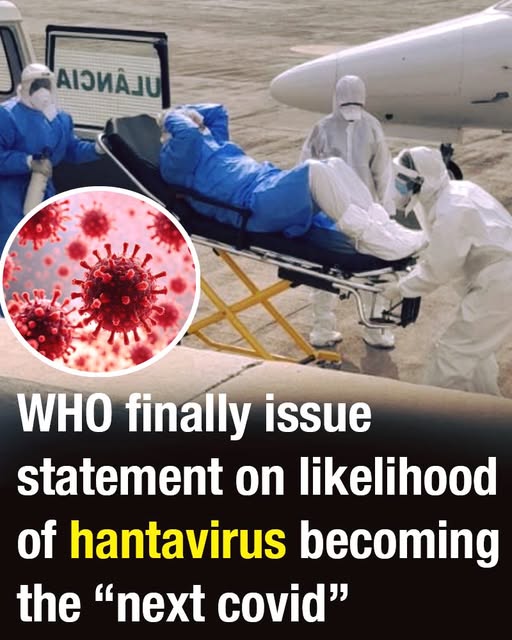
Hantavirus Concerns Grow After MV Hondius Reports, but Experts Say It Is Not the Next COVID
Renewed Attention Around Hantavirus
Recent concerns about hantavirus have sparked widespread discussion online, especially after reports connected to the expedition cruise ship MV Hondius and public statements from international health officials. The situation has drawn significant attention because suspected infections, fatalities, medical evacuations, and passenger monitoring were all mentioned in connection with the vessel.
As the discussion spread across social media, many users began comparing the situation to the early stages of the COVID-19 pandemic. Those comparisons intensified public anxiety, even though health experts have repeatedly emphasized that hantavirus is very different from coronavirus in the way it spreads and in the level of risk it presents to the general public.
Health organizations, including the World Health Organization, continue to stress that accurate information is essential. Hantavirus can be serious and, in some cases, deadly. However, it is not considered a highly contagious respiratory virus that spreads easily through ordinary contact between people.
The renewed attention has created an opportunity to better understand what hantavirus is, how infections usually occur, why some cases can become severe, and why experts are monitoring the cruise ship situation carefully without encouraging panic.
Hantavirus Is Not a New Disease
Hantavirus is not a newly discovered illness. Scientists and medical researchers have studied different forms of the virus for decades in several regions of the world.
Various strains of hantavirus exist in North and South America, Europe, and parts of Asia. Some forms are linked to severe respiratory illness, while others are associated with kidney-related disease.
This broad category of viruses has long been connected to rodents. Human infections most often occur after exposure to contaminated rodent droppings, saliva, or urine. The virus is typically not something most people encounter in ordinary daily life.
Because infections are uncommon, health officials continue to describe the overall public risk as low, even when specific clusters or suspected outbreaks receive major attention. The danger is real for those who become infected, but the likelihood of exposure remains limited for most people.
This distinction is central to understanding the current concern. Hantavirus deserves serious medical attention, but it does not behave like a virus that spreads rapidly through large populations in the same way as highly contagious respiratory diseases.
Reports Involving the MV Hondius
The recent wave of concern intensified after reports emerged involving suspected hantavirus cases aboard the cruise ship MV Hondius. Several passengers reportedly developed symptoms consistent with possible hantavirus infection while on the vessel.
The reports also noted fatalities connected to the situation, which quickly increased public alarm. Images of the ship and descriptions of medical evacuations circulated widely online, prompting fear before many official details had been fully confirmed.
Because cruise ships involve people living and traveling in shared spaces, health incidents aboard them often attract public attention. When a disease is unfamiliar to many readers and is linked with deaths, concern can grow especially quickly.
The MV Hondius situation also raised questions because some passengers had reportedly disembarked earlier. That made passenger monitoring and follow-up more important for authorities trying to determine possible exposure and prevent confusion.
International health officials moved to address the situation publicly. Their statements focused on coordination, medical care, monitoring, and the importance of avoiding unsupported assumptions.
WHO Response and Passenger Monitoring
The World Health Organization addressed the situation through public statements. WHO Director-General Tedros Adhanom Ghebreyesus said suspected patients had been evacuated for medical care through coordination involving several national authorities and the ship’s operators.
WHO also stated that monitoring had begun for passengers who remained onboard, as well as for individuals who had already disembarked. This kind of follow-up is an important part of managing uncertainty during a possible infectious disease event.
Officials emphasized that international cooperation was necessary. When a ship travels across regions and passengers come from different places, multiple authorities may need to work together to track possible exposure and provide appropriate medical information.
The goal of monitoring is not to create panic. It is to make sure that those who may have been exposed are identified, informed, and evaluated if needed. This approach allows health agencies to respond carefully without assuming that the wider public is at high risk.
The WHO response also showed the importance of clear communication during fast-moving public health stories. When facts are still developing, official updates help separate confirmed information from online speculation.
Why Experts Reject COVID Comparisons
Despite growing public concern, WHO epidemiologists have stressed that hantavirus should not be directly compared to COVID-19. The two illnesses differ significantly in transmission and public health behavior.
WHO infectious disease expert Maria Van Kerkhove explained that hantavirus can be severe in some patients, but it does not spread like highly contagious respiratory viruses such as coronavirus.
She also stated clearly that most people will never be exposed to hantavirus at all. That message is important because fear can increase quickly when people hear about a deadly virus without understanding how exposure usually happens.
COVID-19 spread widely because it could pass easily between people through respiratory transmission. Hantavirus is most commonly linked to rodent exposure, not routine human-to-human contact.
This does not mean hantavirus should be ignored. Confirmed or suspected cases require medical attention and public health follow-up. However, experts continue to emphasize that the current evidence does not support claims that hantavirus is becoming “the next COVID.”
How Hantavirus Usually Spreads
Hantavirus is most often associated with rodents. People can become infected after inhaling tiny particles contaminated by rodent droppings, urine, or saliva.
This kind of exposure can occur in enclosed spaces where rodent waste has accumulated and has not been cleaned safely. Cabins, barns, storage buildings, and isolated rural structures are among the environments sometimes connected to risk.
The virus is not usually spread through casual contact in the way many respiratory infections are. This is one reason public health guidance often focuses on rodent control, sanitation, safe cleanup, and ventilation.
People may face greater risk when they enter spaces that have been closed for long periods or where rodents have been present. Disturbing dust or debris in those areas can increase the chance of inhaling contaminated particles.
Prevention therefore centers on avoiding direct exposure to rodent waste and reducing rodent access to living and storage areas. These measures are very different from the large-scale quarantine approaches often associated with airborne pandemics.
Questions About Person-to-Person Transmission
One part of the MV Hondius reports that attracted particular attention involved questions about transmission. Early discussions suggested investigators were examining whether person-to-person spread might have occurred among people onboard.
Experts clarified that limited person-to-person transmission has been documented with specific hantavirus strains in rare circumstances. However, they also emphasized that this remains extremely uncommon overall.
This distinction is important because online discussions can quickly turn uncertainty into exaggerated claims. Some posts suggested that hantavirus spreads easily between people in ordinary contact situations, but experts have not supported that idea as a general rule.
Most hantavirus infections are connected to environmental exposure involving rodents, not casual interaction with infected people. That is why public health agencies focus on identifying possible exposure sources and monitoring contacts carefully rather than assuming broad community spread.
In the cruise ship context, authorities are working to understand what happened, who may have been exposed, and whether any unusual transmission pattern occurred. Until confirmed evidence is available, experts continue urging caution with claims shared online.
Why Some Hantavirus Cases Become Dangerous
One reason hantavirus receives serious attention is that certain forms can cause severe illness. In some cases, patients may develop hantavirus pulmonary syndrome, which can progress rapidly and become life-threatening.
Severe cases may involve breathing difficulties, lung complications, and sudden deterioration that requires emergency medical treatment. These outcomes explain why suspected infections are taken seriously even when the overall number of cases is low.
At the same time, infections remain rare compared with common seasonal respiratory illnesses. Health agencies often describe hantavirus outbreaks as limited and localized rather than events that expand rapidly through broad community transmission.
The disease’s seriousness and rarity can be difficult for the public to balance. A rare disease can still be dangerous for those infected, while not posing a major risk to most people.
This is why experts emphasize both vigilance and perspective. Medical systems must respond carefully to suspected cases, but public fear should be guided by evidence rather than assumptions.
Symptoms That May Appear
Early symptoms of hantavirus infection can resemble several common illnesses. This can make recognition difficult at first.
Initial signs may include fatigue, fever, headaches, muscle aches, nausea, and dizziness. Because these symptoms can overlap with influenza or other infections, exposure history becomes an important part of medical evaluation.
In severe cases, respiratory symptoms can develop quickly as the illness progresses. Patients may experience coughing, chest tightness, and difficulty breathing.
Fluid buildup in the lungs can create serious complications. This is one reason doctors urge people with possible rodent exposure and significant flu-like symptoms to seek medical attention promptly.
Early recognition can improve outcomes. Supportive care, oxygen therapy, and intensive monitoring can be essential when symptoms become severe.
Treatment and Medical Support
There is currently no universally approved antiviral cure specifically for hantavirus pulmonary syndrome. Medical treatment focuses heavily on early recognition, hospital support, and managing complications.
Patients with severe respiratory symptoms may need oxygen therapy and intensive care monitoring. The goal is to support the body through the most dangerous stages of the illness.
Doctors stress that timing matters. People who suspect they have been exposed to rodents and later develop serious flu-like symptoms should not ignore those signs.
Medical evaluation is especially important when symptoms progress toward coughing, chest tightness, or breathing difficulty. Those symptoms may indicate that the illness is becoming more serious.
Although the disease can be severe, prompt medical care can improve the chance of survival. This is why health agencies focus on awareness and early response for people with possible exposure.
The Role of Misinformation
The renewed attention around hantavirus has also highlighted the danger of misinformation during public health scares. In the early days of an outbreak or suspected outbreak, incomplete information often spreads faster than verified facts.
Social media posts, dramatic headlines, and emotional commentary can quickly create confusion. This is especially true when a story includes a cruise ship, fatalities, evacuations, and an unfamiliar virus.
Experts continue urging the public to rely on established public health agencies, medical information, and official updates. Speculation can create fear without improving safety.
Misinformation can also harm people directly affected by an outbreak. Passengers, families, crew members, and medical workers may already be under intense stress. False claims can make that stress worse.
Accurate communication helps the public understand what is known, what remains under investigation, and what level of risk exists. It also helps prevent unnecessary panic.
Why Cruise Ship Illnesses Draw Attention
Cruise ships often become the focus of public concern during health incidents. They involve many people sharing enclosed spaces while traveling between regions.
Past outbreaks involving norovirus, influenza, and COVID-19 have made the public more sensitive to illness reports connected to passenger vessels. Even when a disease spreads differently, the setting alone can create anxiety.
The MV Hondius reports arrived in a public environment already shaped by pandemic memory. Many people now respond strongly to words such as “outbreak,” “fatalities,” “evacuation,” and “monitoring.”
This reaction is understandable, but experts encourage balanced interpretation. A health incident on a ship does not automatically mean a disease is spreading widely or becoming a global crisis.
In this case, officials are focused on investigation, monitoring, medical care, and determining possible exposure risks. Those are standard public health steps during unusual illness events.
Modern Outbreak Response Systems
Health agencies have emphasized that modern outbreak response systems are more advanced than in previous decades. International communication allows authorities to respond more quickly when unusual illnesses are reported.
Governments, laboratories, transportation authorities, medical teams, and public health organizations can coordinate across borders. This is especially important when passengers from multiple countries may be involved.
Passenger monitoring, laboratory testing, contact tracing, and medical evacuation procedures can be implemented rapidly when needed. These systems help reduce uncertainty and identify possible risks.
Such responses do not always mean a disease is spreading widely. Often, they are precautionary measures designed to ensure that limited incidents remain limited.
The MV Hondius situation demonstrates how global health systems can activate monitoring and coordination without declaring a worldwide emergency.
Hantavirus as a Zoonotic Disease
Hantaviruses belong to a broader category of zoonotic diseases. These are illnesses that originate in animals before affecting humans.
Many infectious diseases studied around the world involve some connection between wildlife, environmental conditions, and human exposure. This makes research into animal-linked diseases an important part of public health preparedness.
Scientists continue examining how environmental change, climate conditions, human expansion into wildlife habitats, and shifting ecosystems may influence disease patterns. These factors can affect where rodents live and how humans may come into contact with them.
Studying hantavirus helps researchers better understand rare but serious infections. It also supports stronger prevention strategies and faster response when cases occur.
Even when public risk remains low, research remains valuable because severe infections can have major consequences for affected individuals and communities.
Prevention and Practical Awareness
Public health experts often emphasize prevention as the best protection against rare infections like hantavirus. Since rodent exposure is the main concern, prevention focuses on reducing contact with rodents and their waste.
Proper food storage can help keep rodents away from homes, cabins, and storage areas. Rodent prevention measures can also reduce the chance that contaminated droppings, saliva, or urine will accumulate in enclosed spaces.
Safe cleaning methods are especially important in places where rodents may have been present. Ventilation should be considered before disturbing dust or debris in closed structures.
People in rural or outdoor environments may need additional caution when opening cabins, barns, storage buildings, or infrequently used spaces. These are settings where rodent exposure may occur more easily.
The basic message is practical rather than alarming. Awareness, sanitation, rodent control, and careful cleanup remain the most important protective steps.
Public Fear After COVID-19
The psychological impact of outbreak fears has become more visible in recent years. After COVID-19 reshaped global awareness of infectious disease risks, people often react quickly to reports involving unfamiliar viruses.
When headlines include terms such as “outbreak,” “fatalities,” and “monitoring,” anxiety can rise before the full facts are known. This emotional response is understandable, especially after the experience of a global pandemic.
However, experts continue encouraging evidence-based understanding. Not every infectious disease event becomes a global catastrophe.
Public health organizations routinely investigate outbreaks, coordinate medical responses, and monitor evolving situations. Many incidents remain limited because they are handled through targeted response rather than broad emergency measures.
The current evidence surrounding hantavirus does not support panic. It supports careful attention, accurate information, and continued monitoring by qualified health authorities.
Why Accurate Information Matters Now
The recent hantavirus discussion shows how quickly information can spread internationally. Within hours of initial reports, many people were talking about the situation online, often before official investigations had fully developed.
This rapid flow of information can raise awareness, but it can also create misunderstandings. Incomplete or exaggerated claims may travel faster than verified facts.
Accurate information is especially important when a disease is rare, serious, and unfamiliar to much of the public. People need to understand both the severity of possible infection and the low likelihood of exposure for most individuals.
Clear communication helps prevent two harmful extremes. One extreme is dismissing the disease entirely. The other is exaggerating it into a threat unsupported by evidence.
Health experts are trying to maintain the balance between vigilance and perspective. That balance is essential whenever human lives are involved and public fear is rising.
Continued Research and Monitoring
Medical researchers continue studying hantavirus because rare diseases still require serious scientific attention. Research focuses on transmission patterns, treatment approaches, immune response, and environmental factors linked to infection.
These studies help improve preparedness and support faster medical responses when future cases appear. They also help refine prevention guidance for people who may face higher exposure risks.
Public health agencies are expected to continue updating guidance as more confirmed evidence becomes available. The goal is to base decisions on verified information rather than speculation.
Monitoring connected to the MV Hondius reports is part of that process. Passengers, crew members, and previously disembarked individuals may require follow-up depending on possible exposure details.
As investigations continue, officials are likely to focus on confirmed cases, possible transmission routes, medical care, and the source of exposure.
Compassion During Public Health Events
The cruise ship situation also highlights the human side of infectious disease reporting. Passengers, families, crew members, and healthcare workers involved in such events may face fear, uncertainty, and emotional strain.
Public discussion can sometimes overlook the fact that real people are affected. Sensational claims may increase attention, but they can also intensify distress for those directly involved.
Health officials have repeatedly stressed the importance of accurate communication and responsible reporting. Compassion matters when families are waiting for updates and passengers are coping with uncertainty.
Fear should not replace empathy. Serious illnesses require careful public health response, but also respect for the people living through the situation.
Balanced communication can inform the public while avoiding unnecessary harm. It can also help maintain trust during moments when information is still developing.
Current Understanding of the Risk
Experts say current evidence does not support the claim that hantavirus is becoming “the next COVID.” The virus behaves differently, spreads differently, and remains far less common.
Most people will never be exposed to hantavirus. The main risk is connected to rodent contamination rather than easy person-to-person spread through ordinary contact.
At the same time, hantavirus can be dangerous in rare cases. Severe infections may require emergency care and intensive medical support, particularly when respiratory symptoms develop.
This is why the situation requires careful monitoring without panic. A rare but serious disease should be taken seriously by health professionals, while the public should avoid unsupported assumptions.
The MV Hondius reports have brought new attention to hantavirus, but they have not changed the basic facts emphasized by experts. The overall public risk remains low according to current international health assessments.
Vigilance Without Panic
The recent concern surrounding hantavirus is a reminder that public health communication must be clear, calm, and evidence-based. Serious infections deserve attention, but fear should not outrun facts.
Hantavirus is a known disease that has been studied for decades. It is most commonly linked to rodents and contaminated waste, not widespread casual transmission between people.
The reports involving the MV Hondius are being monitored through medical care, passenger follow-up, and international coordination. These actions are designed to reduce uncertainty and protect those who may have been exposed.
Comparisons to COVID-19 may create alarm, but experts have repeatedly explained that hantavirus is different in transmission and overall public health risk. It can be severe, but it is not considered a highly contagious respiratory virus spreading broadly through communities.
For now, the most responsible approach is to remain informed, avoid misinformation, and follow confirmed updates from public health authorities. Hantavirus can be dangerous in rare circumstances, but the general public risk remains low based on current assessments.