
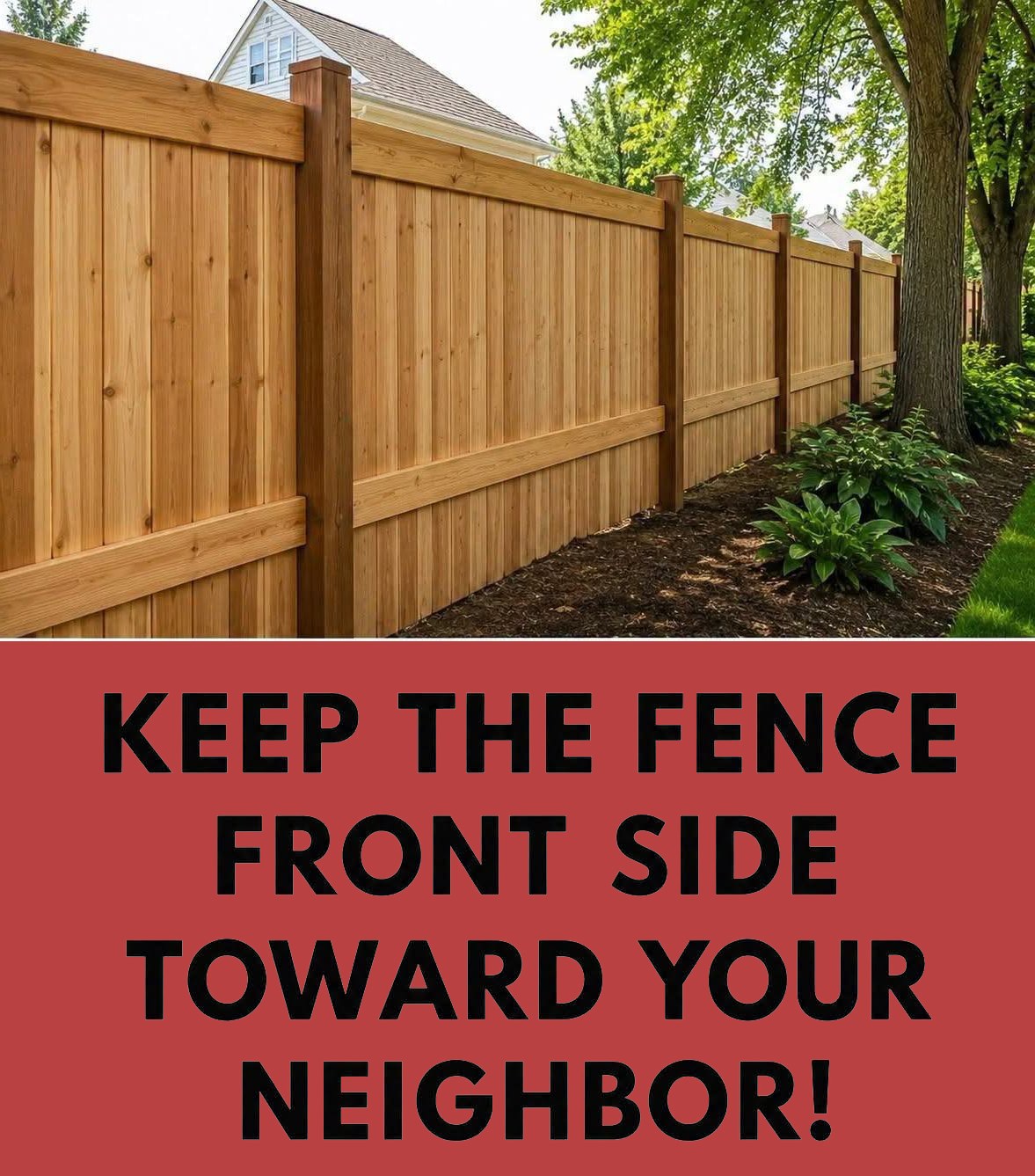
The Unspoken Rules of Residential Fencing: Why Finished Sides Face Outward
The topic of The Unspoken Rules raises many questions. Installing a fence around a residential property involves more than simply marking boundaries or enhancing privacy. The decisions made during installation, particularly regarding which side of the fence faces outward, carry significant weight in how a home is perceived by the surrounding community.
The orientation of a fence, specifically whether the finished or “good” side faces the neighbor, is a topic governed by both unwritten social codes and, in many cases, explicit municipal regulations. Understanding this nuance is essential for any homeowner planning to erect a new barrier or replace an existing one.
Defining the Finished Side of a Fence
Most standard residential fences, particularly those constructed with wood or vinyl, possess two distinct sides. The finished side is the one where the supporting posts and horizontal rails are concealed, presenting a smooth, uniform surface. This side typically features the pickets or panels placed tightly together, creating an aesthetically pleasing and clean appearance.
The opposite side, often referred to as the “back” or “unfinished” side, exposes the structural framework. Here, the vertical posts and horizontal support beams are visible, creating a less polished look. The distinction between these two sides is a primary consideration in fence installation, as the choice of which side faces outward has immediate visual consequences for both the property owner and the neighbors.
The Social Etiquette of Fence Installation
In residential neighborhoods, the orientation of a fence is a visible statement of consideration for others. Facing the finished side toward the neighbor’s property is widely regarded as a standard practice of courtesy. This simple act signals a respect for the neighbor’s view and demonstrates a willingness to maintain a pleasant shared environment.
Conversely, presenting the exposed framework of the fence toward a neighbor can be perceived as inconsiderate or even confrontational. The visual clutter of posts and rails can detract from the neighbor’s enjoyment of their own yard. This perception can quickly sour neighborly relations, transforming a functional home improvement project into a source of ongoing tension and resentment.
Municipal Building Codes and Regulations
Beyond social expectations, the orientation of a fence is frequently a matter of legal compliance. Many local municipalities and homeowners’ associations have established specific building codes that mandate the finished side of a fence face outward toward adjacent properties and public rights-of-way. These regulations are not arbitrary; they are designed to maintain a cohesive and attractive streetscape for the entire community.
Homeowners who fail to adhere to these codes may face significant consequences. Local authorities can issue citations, impose fines, or even order the homeowner to reverse the fence entirely at their own expense. The cost of rectifying a non-compliant fence installation can be substantial, far exceeding the initial savings one might hope to achieve by cutting corners. Therefore, consulting local zoning ordinances and building permit requirements before beginning a fence project is a critical step.
Preventing Neighborhood Disputes
The placement of a fence often sits at the intersection of property rights and neighborly harmony. Disputes over fence lines, height, and appearance are among the most common conflicts between adjacent homeowners. The simple decision of which side faces outward can be the determining factor in whether a fence becomes a point of contention or an accepted feature of the neighborhood landscape.
By proactively facing the finished side of the fence toward the neighbor, a homeowner removes a common source of friction. This choice demonstrates a willingness to prioritize the collective aesthetic of the block over personal convenience. Such consideration goes a long way in preserving a cordial relationship, which is invaluable in shared residential spaces where daily interactions are inevitable.
Impact on Curb Appeal and Property Value
The visual presentation of a home extends beyond the structure itself to include all elements of the property, including fencing. A fence that presents its finished side to the street and to neighbors contributes positively to the overall curb appeal of the home. This polished appearance not only creates a welcoming atmosphere but also reflects a sense of pride in homeownership.
In contrast, a fence that shows its structural underpinnings to the street or neighboring yards can diminish the perceived value of a property. The exposed posts and rails can make a home appear unfinished or poorly maintained. For homeowners considering future resale, the condition and orientation of the fence are factors that potential buyers will notice, potentially influencing their offer or their decision to purchase at all.
Considerations for Different Fence Types
While the principle of facing the finished side outward applies broadly, the specifics can vary depending on the material used. For wood fences, the finished side is clearly identifiable by the smooth surface of the pickets. For vinyl fences, both sides may appear similar, though subtle differences in panel detailing can still dictate a preferred orientation.
Chain-link fences present a unique case, as they are essentially identical on both sides. However, the principle of presenting the most aesthetically pleasing view to the neighbor still applies, often leading homeowners to prioritize privacy slats or landscaping to soften the industrial appearance. Regardless of the material, the underlying goal remains the same: to create a barrier that is functional for the owner and respectful of the surrounding community.
The Process of Proper Installation
Ensuring the finished side faces the correct direction requires careful planning during the installation process. The orientation of the fence is determined by the placement of the support posts and the direction from which the pickets or panels are attached. Once the posts are set in concrete, reversing the orientation of the fence is a labor-intensive and costly endeavor.
Homeowners who hire professional contractors should clearly communicate their preference for the finished side to face outward. Reputable fencing companies are well-versed in local codes and standard practices. For those undertaking a do-it-yourself installation, a thorough review of local regulations and a clear understanding of the fence’s intended orientation before digging the first post hole is essential.
The Unspoken Rules: A Shared Responsibility in Community Living
The act of installing a fence is not solely a private undertaking. It is an alteration to the shared visual landscape of a neighborhood. The choices made during this process have a direct impact on the daily experience of those living nearby. Facing the finished side of the fence outward is a small gesture that carries significant meaning.
It signifies a commitment to maintaining a harmonious living environment and a respect for the property and views of others. In the broader context of community living, such consideration fosters goodwill and contributes to a more pleasant atmosphere for all residents. The simple act of orienting a fence correctly is a practical demonstration of the mutual respect that underpins a healthy neighborhood.
Ultimately, the decision of which way to face a fence is a clear indicator of a homeowner’s values. Choosing the finished side for the neighbor to see reflects a desire for positive relations and a well-maintained community. This practice, reinforced by both social norms and legal requirements, ensures that a functional addition to a property does not become a source of discord. A fence, when installed with proper consideration, serves its purpose while also contributing to the collective beauty and cohesion of the neighborhood it occupies.