
The Story Behind the Lay’s Logo: Design, Heritage, and Global Impact
An Emblem Recognized Around the World
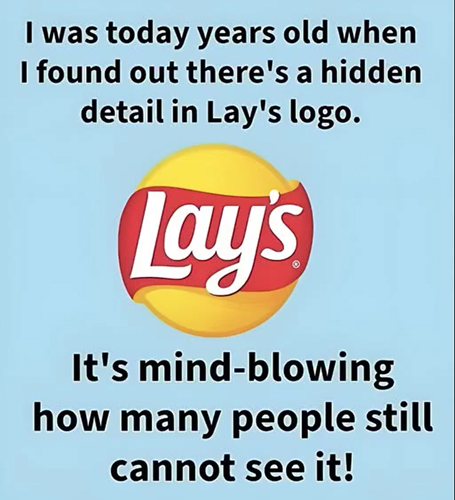
Few brand symbols in the snack industry command the same instant recognition as the Lay’s logo. Its bright golden circle, sweeping red ribbon, and friendly lettering have become familiar sights in stores across continents.
At first glance, the design appears simple and approachable. Yet behind that simplicity lies a carefully constructed identity shaped by decades of history and strategic branding.
The logo does far more than decorate a bag of potato chips. It reflects the heritage, growth, and creative direction of a company that has spent nearly a century building consumer loyalty.
Every curve, color, and detail has been chosen to convey warmth, joy, and reliability.
Origins in 1932
The journey began in 1932 when Herman Lay, a determined entrepreneur from Tennessee, started a small regional snack operation. With limited resources but strong ambition, he began distributing potato chips locally.
In the early days, sales were modest. Chips were delivered from car trunks and sold through small storefronts, reflecting the humble beginnings of what would later become a global brand.
Herman Lay understood that quality mattered. He also recognized that presentation and customer trust would play an essential role in building lasting success.
His approach combined product excellence with a keen awareness of consumer appeal, laying the groundwork for future expansion.
Growth and Strategic Expansion
Over time, Lay’s expanded steadily beyond its regional roots. Herman Lay demonstrated forward-thinking marketing instincts long before branding became a formal discipline.
He believed that a recognizable identity could foster loyalty. That belief guided many of his early business decisions.
A defining milestone came in 1961 when Lay’s merged with the Frito Company. The merger created Frito-Lay, a powerful entity that quickly became dominant in the American snack market.
Later, Frito-Lay became part of PepsiCo, strengthening the company’s global presence and distribution capabilities.
The partnership united complementary strengths, expanded product lines, and enhanced marketing resources. It also influenced the visual identity that would shape Lay’s branding for decades.
Early Logo Designs
The earliest versions of the Lay’s logo were straightforward. They emphasized bold text and clear brand identification without elaborate graphic elements.
As the company evolved and corporate relationships developed, the logo began to transform. Designers sought to maintain individuality while subtly reflecting connections within the larger corporate structure.
This balance between independence and unity became central to Lay’s visual strategy.
The Golden Circle
One of the most recognizable elements of the logo is the yellow circular background. This golden circle provides a radiant foundation for the brand name.
Its design draws inspiration from the sun-like emblem associated with Frito-Lay, symbolizing warmth and vitality.
Yellow has long been associated with happiness and energy. Within the context of snack foods, it creates an inviting and optimistic impression.
The circular shape also conveys completeness and consistency. Together, color and form project friendliness and approachability before a consumer even opens the bag.
The Dynamic Red Ribbon
Crossing the golden backdrop is the red ribbon-like swoosh. This element adds motion and visual excitement to the composition.
Red is widely linked to appetite stimulation and attention-grabbing qualities. Its inclusion enhances the logo’s impact on crowded store shelves.
The sweeping motion of the ribbon introduces energy and passion. It creates contrast against the yellow background while guiding the eye toward the brand name.
The pairing of red and yellow has become a classic combination within the food and beverage sector. Lay’s use of these colors reinforces familiarity while maintaining vibrancy.
Typography That Invites
The rounded lettering of the Lay’s name contributes significantly to the logo’s success. The font features soft curves and balanced spacing, creating a sense of friendliness.
Unlike rigid or formal typefaces, the gentle contours make the brand appear welcoming and inclusive.
The typography integrates seamlessly with the red ribbon, producing a harmonious design that feels cohesive and lively.
Each letter’s placement is intentional. The spacing and alignment ensure readability while preserving the playful tone that defines the brand.
Symbolism and Emotional Meaning
The Lay’s logo encapsulates more than corporate growth. It tells the story of a small Tennessee enterprise that expanded through vision and persistence.
The golden circle suggests optimism and shared moments of enjoyment. The red ribbon conveys enthusiasm and appetite.
Together, these elements create a visual narrative aligned with the experience of opening a bag of chips during gatherings, celebrations, or quiet evenings at home.
The design also subtly acknowledges the broader Frito-Lay connection. While Lay’s maintains a distinct identity, the emblem reflects stability and quality associated with its corporate heritage.
Balancing Tradition and Modernization
A key principle evident in the evolution of the Lay’s logo is balance. Brands must modernize to remain relevant, yet they cannot abandon the core elements that make them recognizable.
Lay’s has achieved this through gradual refinements rather than dramatic overhauls.
Color tones have been adjusted slightly over time, typography refined, and proportions optimized for new media formats.
Despite these updates, the signature yellow-and-red combination has remained constant, ensuring continuity across generations.
Influence of Digital Media
As marketing shifted toward digital platforms, the logo had to perform effectively beyond physical packaging.
It needed to remain clear on websites, in online advertisements, and across social media campaigns.
Design adjustments ensured scalability and visual clarity on screens of varying sizes.
This adaptability has contributed to the emblem’s continued relevance in a rapidly changing media landscape.
Color Psychology in Action
The psychological impact of color plays a vital role in the logo’s effectiveness. Yellow is often associated with positivity and friendliness, drawing the eye and creating warmth.
Red introduces urgency and excitement. It stimulates appetite while adding bold contrast.
Combined, these colors evoke happiness and hunger simultaneously, encouraging consumers to engage with the product.
These choices reflect deliberate marketing insight, ensuring that the logo resonates on both emotional and visual levels.
Cultural Recognition
Over nearly a century, the Lay’s logo has grown into a cultural symbol. It is recognized in more than 100 countries and associated with leisure and celebration.
Whether enjoyed during a picnic, shared at a gathering, or opened during a movie night, the brand has positioned itself as a reliable choice for everyday enjoyment.
The logo plays a central role in that recognition. Its consistent design provides reassurance and familiarity, even as flavors and packaging styles vary across markets.
This universality has allowed Lay’s to introduce new varieties without disrupting brand identity.
Packaging and Shelf Impact
The bright appearance of the logo enhances visibility on crowded shelves. Its cheerful tones stand out among competing products.
Clear typography ensures instant recognition from a distance. This clarity strengthens perceived value and reinforces brand trust.
Packaging strategies consistently highlight the logo as the focal point, ensuring that consumers associate each purchase with the broader brand story.
A Symbol Beyond the Product
The Lay’s logo represents decades of innovation and marketing expertise. It serves as shorthand for shared experiences and simple pleasures.
Its minimalist structure—a circle, a ribbon, and text—demonstrates the power of simplicity when guided by thoughtful design.
Despite its straightforward appearance, the emblem carries layers of meaning tied to heritage, growth, and consumer connection.
It illustrates how careful branding can elevate a common product into a cultural icon.
Global Adaptation
In international markets, local flavors and packaging variations reflect regional preferences. Yet the core logo remains consistent.
This consistency ensures that consumers recognize the brand instantly, regardless of geography.
The golden circle and red swoosh transcend language barriers. The rounded lettering communicates approachability even when translated.
The logo’s universal appeal underscores the foresight of its designers and the strategic discipline of the brand.
A Legacy of Design
From its modest beginnings in Tennessee to its position within a global corporation, Lay’s has relied on its logo to communicate trust and enjoyment.
The emblem honors the vision of Herman Lay while reflecting the strength of its partnership within Frito-Lay and PepsiCo.
Each update has preserved the essence of the original concept while embracing modern standards.
The result is a brand mark that feels both timeless and contemporary.
More Than Just a Logo
The Lay’s logo stands as a testament to the influence of strategic design. It merges color psychology, typography, and symbolism into a cohesive identity.
Every bag bearing the emblem carries nearly a century of innovation and customer loyalty.
The golden circle radiates warmth. The red ribbon conveys vitality. The rounded letters express friendliness.
Together, they tell a story of heritage and enduring appeal.
Through this carefully crafted symbol, Lay’s has established a bond that extends beyond snacks, reinforcing the idea that thoughtful branding can resonate across generations.
The logo remains a masterclass in visual identity, proving that purposeful design can transform an everyday product into a lasting global icon.