
Activated Charcoal and Gray Hair: Can a Natural Ingredient Really Make Hair Look Darker?
The Growing Interest in Natural Hair Care Alternatives
As gray hair becomes more noticeable with age, many individuals begin searching for gentler and more natural options to manage their changing appearance. Concerns about harsh chemical dyes and frequent coloring treatments have led to increased interest in plant-based and cosmetic alternatives.
Among the trending ingredients in natural beauty routines is activated charcoal, a deeply pigmented substance commonly used in skincare and detox-focused products. Its bold color and cleansing reputation have sparked curiosity about whether it can help gray hair appear darker.
While the idea sounds promising, understanding how activated charcoal interacts with hair requires a closer look at both science and real-world use.
Understanding What Activated Charcoal Is
Activated charcoal is a highly porous form of carbon created by heating natural materials such as coconut shells or bamboo at extremely high temperatures. This process produces countless microscopic pores that significantly increase its surface area.
Because of this structure, activated charcoal acts like a magnet for impurities, oil, and buildup. These absorbent qualities have made it a popular ingredient in skincare, detox remedies, and hair care formulations.
Its deep black pigment also makes it visually distinctive, leading many to wonder whether it can influence hair color, especially on lighter or gray strands.
Can Activated Charcoal Actually Darken Gray Hair?
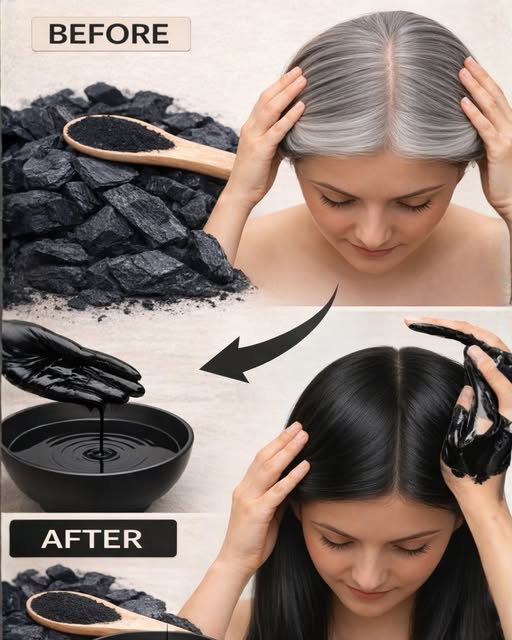
Activated charcoal can make gray hair appear darker, but only in a temporary and cosmetic way. The ultra-dark pigment can lightly coat hair strands, particularly those that are gray or light in color.
This surface-level coating creates a subtle darkening effect that can reduce the visibility of gray hairs for a short period. However, this effect does not alter the internal structure or pigmentation of the hair itself.
Gray hair occurs due to a natural reduction in melanin production. Activated charcoal does not restore melanin or reverse the biological process that causes graying.
Instead of functioning like traditional hair dye that penetrates deeply into the hair shaft, charcoal primarily sits on the outer surface of the hair.
What Results Users Can Realistically Expect
One of the most important factors when using activated charcoal for gray hair is managing expectations. The darkening effect is temporary and usually fades after washing.
The charcoal particles may deposit lightly onto gray strands, giving them a slightly darker or muted appearance. This cosmetic effect can make gray hair look less noticeable for a short time.
However, the color change is not permanent and does not prevent new gray hair from appearing. Once shampooed, the coating is typically removed.
The results can also vary depending on individual hair type, texture, and porosity.
How Hair Type Influences the Darkening Effect
The visual impact of activated charcoal is often more noticeable on lighter, fine, or porous hair. These hair types may allow the pigment to adhere more easily to the surface.
In contrast, thick or naturally dark hair may show little to no visible difference, as the existing pigment can overshadow the charcoal’s cosmetic coating.
Texture and overall hair condition also play a role. Hair that is highly porous or damaged may temporarily hold more pigment than smoother strands.
This variability explains why experiences with charcoal-based hair treatments can differ significantly from person to person.
Additional Benefits Beyond Cosmetic Darkening
Although activated charcoal is not a true coloring agent, it offers several scalp and hair care advantages that contribute to overall hair health and appearance.
Its absorbent properties help remove impurities and excess oil, which can improve the look and feel of the hair over time.
These cleansing effects are often the primary reason charcoal is included in hair care products rather than its pigment alone.
Deep Cleansing for the Scalp and Hair
One of the most recognized benefits of activated charcoal is its ability to deeply cleanse the scalp. It absorbs excess sebum, dirt, and product buildup that can accumulate over time.
This thorough cleansing can leave hair feeling lighter, fresher, and less weighed down by residue. A cleaner scalp environment can also contribute to better volume and manageability.
For individuals who frequently use styling products or dry shampoo, charcoal-based treatments can help reset the scalp and restore a balanced feel.
Reducing Dandruff and Scalp Discomfort
Because activated charcoal helps remove buildup, it may also assist in reducing dandruff and itchiness linked to excess oil and residue. Clearing the scalp of impurities can create a more comfortable environment.
While it is not a medical treatment, its detoxifying effect can help minimize flake-causing accumulation that contributes to irritation.
This makes charcoal-infused products appealing to those with oily scalps or frequent buildup concerns.
Supporting a Healthier Scalp Environment
A clean and balanced scalp is essential for strong and healthy-looking hair. By helping remove impurities, activated charcoal can support an environment where hair roots remain less clogged and more refreshed.
This indirect benefit may enhance the overall appearance of the hair, making it look shinier and more vibrant.
Although it does not directly stimulate pigment production, a healthier scalp can improve how hair looks and feels on a daily basis.
Popular Ways to Use Activated Charcoal in Hair Care
Many people incorporate activated charcoal into their routines through masks, cleansers, or specially formulated shampoos. These methods focus primarily on purification and cosmetic enhancement rather than permanent color change.
A common approach is a charcoal hair mask made by blending activated charcoal with moisturizing ingredients such as coconut oil or aloe vera. This mixture is typically applied to the hair and scalp for a short period before being rinsed thoroughly.
Another option is charcoal-infused shampoo, designed to cleanse the scalp while gently removing excess oil and buildup.
These products are formulated to balance cleansing strength with scalp comfort, making them suitable for occasional use.
Precautions and Practical Tips
Before applying activated charcoal to the hair, testing a small section is recommended. This helps identify any unexpected dryness or staining effects.
Because of its strong pigment, charcoal can stain clothing, towels, and porous surfaces if not handled carefully.
Overuse may also lead to dryness, especially for individuals with very fine, chemically treated, or already dry hair. Moderation is key when incorporating charcoal into a routine.
Proper rinsing is important to prevent residue from lingering on the scalp or hair strands.
Managing Expectations About Color Results
Activated charcoal should not be viewed as a replacement for professional hair dye or long-lasting color treatments. Its strength lies in cosmetic enhancement rather than permanent color alteration.
While it may temporarily make gray hair appear less noticeable, the effect is subtle and short-lived compared to traditional coloring methods.
Individuals seeking a dramatic or long-term color change will likely require plant-based dyes or conventional hair coloring solutions.
Charcoal’s primary value remains in cleansing and refreshing the hair rather than transforming its natural pigment.
The Role of Activated Charcoal in Natural Hair Care
Activated charcoal continues to earn a place in natural hair care routines due to its detoxifying properties and versatility. It aligns with the growing preference for simple, ingredient-focused beauty solutions.
For those looking to maintain scalp cleanliness and temporarily soften the appearance of gray strands, it can serve as a supportive addition rather than a standalone solution.
Its ability to purify the scalp, reduce buildup, and provide a short-term cosmetic darkening effect makes it appealing to individuals exploring gentler alternatives.
Ultimately, activated charcoal is best understood as a cleansing and cosmetic aid, not a permanent color treatment. When used with realistic expectations, it can complement a balanced hair care routine focused on scalp health and overall hair appearance.