
A Story That Reshaped Public Awareness of Exotic Animals
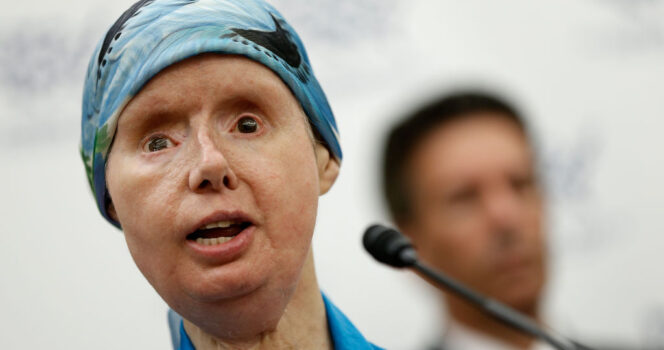
The story of Charla Nash became one of the most widely discussed cases in the United States, drawing national attention to the risks associated with keeping exotic animals in domestic environments. She was not a public figure and had never sought media attention. Instead, she was known as a dependable and compassionate individual, always willing to help those around her.
In February 2009, in Stamford, a routine act of helping a friend turned into an incident that would have long-lasting consequences. Nash received a call from her close friend, Sandra Herold, who was distressed about her pet chimpanzee, Travis. The animal had taken a set of keys and was behaving unpredictably. Trusting her familiarity with both her friend and the animal, Nash went to assist.
Background of the Animal
Travis was not an ordinary pet. Born in 1995, he had been raised in a human household from a very young age. Over time, he became well known locally and even appeared in advertisements and public settings. His owner, Sandra Herold, had developed a strong emotional bond with him and treated him as a member of the family.
Because of his upbringing, Travis displayed behaviors that resembled human routines, which contributed to a perception that he could safely coexist in a domestic environment. However, experts in animal behavior have consistently emphasized that primates, regardless of training, retain natural instincts and physical capabilities that can present serious risks.

The Incident
On the day of the event, several factors may have contributed to the chimpanzee’s reaction. Reports indicated that Nash appeared different than usual, which may have caused confusion. Additionally, there were discussions about possible underlying health conditions affecting the animal’s behavior.
What followed was a sudden and severe incident that resulted in critical injuries to Nash. Emergency services were contacted, and responders arrived promptly. Due to safety concerns, authorities had to take precautionary measures before approaching the scene. Law enforcement officers ultimately intervened to bring the situation under control.
Nash was transported to a medical facility in critical condition. Medical teams worked extensively to stabilize her, performing multiple procedures over a short period. Healthcare professionals later described the situation as one of the most complex cases they had encountered.
Medical Treatment and Recovery
Following initial treatment, Nash was placed under intensive medical care. She underwent a series of surgeries aimed at addressing the extensive injuries she had sustained. Her recovery process required coordination among multiple medical specialists.
In time, she was transferred to Cleveland Clinic, where she was evaluated for advanced reconstructive procedures. In 2011, she underwent a groundbreaking face transplant at Brigham and Women’s Hospital. The procedure marked a significant moment in medical science and offered new possibilities for patients with severe facial injuries.
Her recovery journey extended beyond physical healing. It required long-term rehabilitation, adaptation, and resilience. Despite the challenges, Nash demonstrated determination throughout the process.
Public Awareness and Advocacy
Rather than withdrawing from public life, Nash chose to share her experience to raise awareness. She appeared in interviews, including national television programs, to discuss the risks associated with keeping wild animals in private homes.
Her message was clear: animals that belong in natural or controlled environments should not be treated as domestic pets. Wildlife experts and organizations supported this perspective, emphasizing that even well-trained animals can act unpredictably.

Legal and Policy Impact
The incident also led to legal actions and broader policy discussions. Nash pursued legal claims related to the circumstances surrounding the event. While the outcomes of these actions varied, the case contributed to ongoing debates about public safety and animal ownership regulations.
One of the most significant developments following the incident was renewed attention to legislative efforts such as the Captive Primate Safety Act. The proposed law aimed to regulate and restrict the private ownership and transport of certain primates across state lines.
Although the legislation faced challenges over time, it continued to be revisited, reflecting the lasting influence of the case on public policy discussions.
Broader Implications
The case highlighted the importance of understanding the distinction between domesticated animals and wildlife. Experts stressed that animals such as chimpanzees possess physical strength and behavioral instincts that make them unsuitable for typical household environments.
In addition to the impact on Nash, the event affected others involved, including first responders. Incidents of this nature can have lasting psychological effects, leading to increased awareness about the need for support systems for emergency personnel.

Conclusion
The experience of Charla Nash remains a significant and sobering example of how quickly situations involving exotic animals can escalate. While the circumstances were tragic, her response in the aftermath helped inform the public and encouraged important conversations about safety, responsibility, and animal welfare.
Today, her story continues to serve as a reminder of the importance of respecting the natural characteristics of wildlife and ensuring that both people and animals are protected through appropriate laws and responsible practices.