

Waylon Jennings: The Outlaw Country Pioneer Who Redefined a Genre
Rise to Fame in a Transformative Era
Waylon Jennings emerged as one of the most influential figures in country music during the 1970s, a period when his popularity soared and his distinctive sound reshaped the industry.
His music resonated with audiences across the country, blending authenticity with a rebellious spirit that set him apart from traditional Nashville artists.
Despite his success, the pressures of fame and a demanding lifestyle began to take a toll, setting the stage for a complex and deeply personal journey.
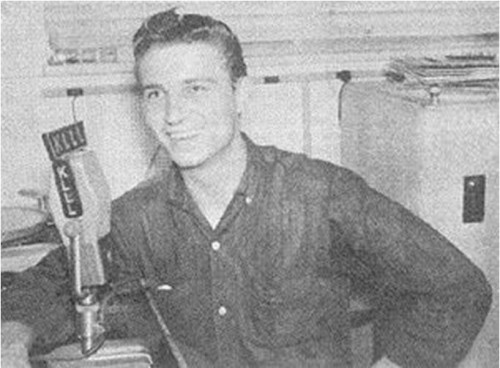
Early Life and Humble Beginnings
Born on June 15, 1937, on the J. W. Bittner farm near Littlefield, Texas, Jennings grew up in modest circumstances. His early life was rooted in hard work and family values.
His mother later reflected, “We didn’t have much, but we were happy people,” capturing the spirit of his upbringing.
As a child, he learned to play guitar at the age of eight, beginning with the song “Thirty Pieces of Silver.” His passion for music quickly became evident.
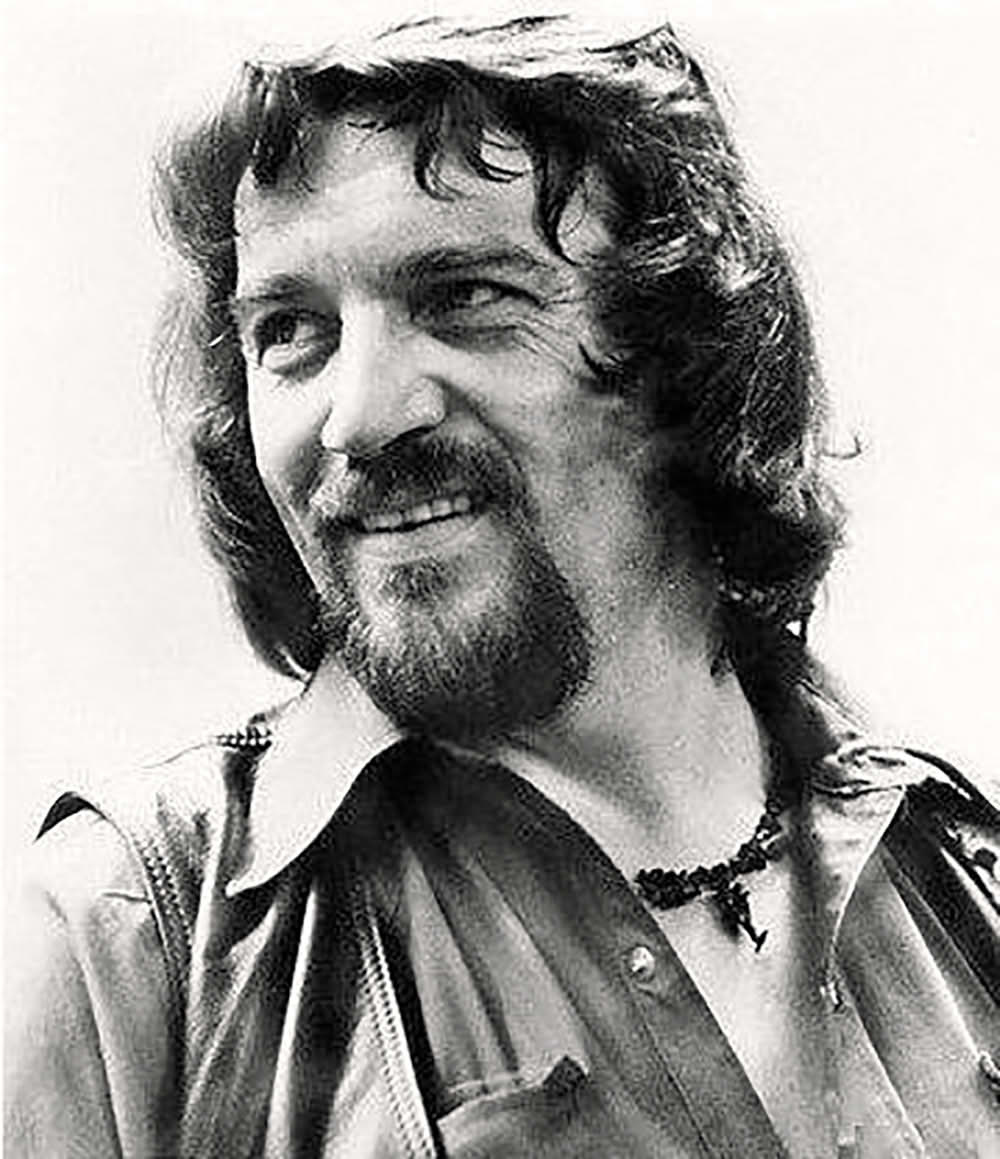
Finding His Path in Music
After leaving high school at 16, Jennings worked in his father’s business and took on various jobs. However, his ambition to pursue music remained strong.
He eventually found work as a radio DJ in Lubbock, Texas, where a pivotal encounter with Buddy Holly would change the course of his life.
Holly recognized his talent, produced his first record, and invited him to join his touring band as a bass player.
A Life-Altering Twist of Fate
Jennings was part of the 1959 tour that ended in tragedy when a plane carrying Buddy Holly and others crashed. In a fateful decision, he had given up his seat on that flight.
The experience left a lasting impact, and he briefly stepped away from music, vowing never to play again.
However, the pull of music proved too strong, and within months, he returned to his craft with renewed determination.
Developing a Unique Sound
In the early 1960s, Jennings moved to Phoenix, Arizona, where he began experimenting with a blend of country, rock, folk, and blues.
He later explained his approach: “I didn’t just sing country music. We did rock ’n’ roll and some folk music and some blues.”
This willingness to explore different styles became a defining feature of his career.
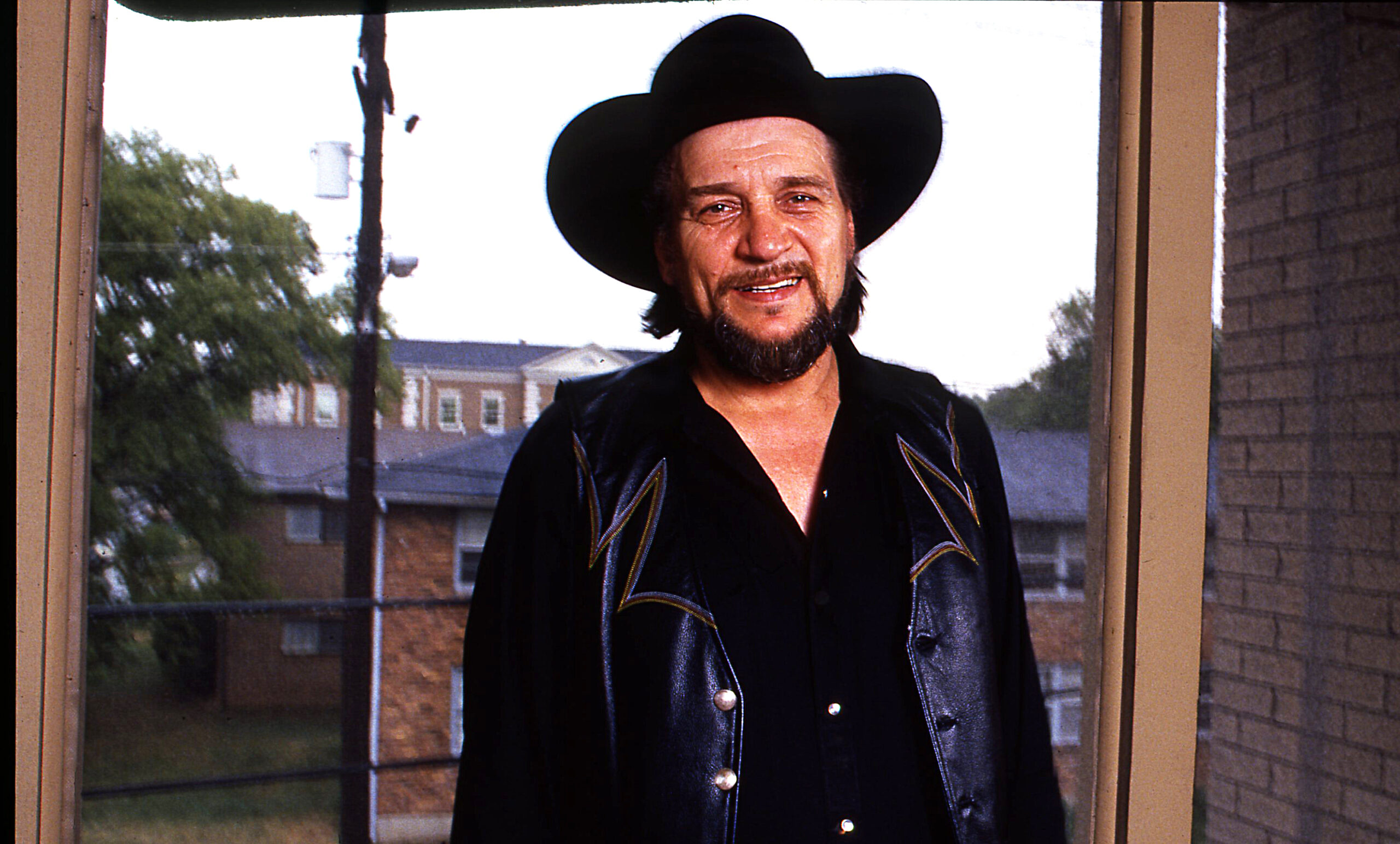
Breaking Into the Nashville Scene
Jennings eventually signed with RCA and relocated to Nashville. During this period, he briefly shared a home with Johnny Cash, a partnership he humorously described as “the original Odd Couple.”
While he initially followed the polished Nashville formula, he soon grew dissatisfied with its constraints.
His desire for creative freedom led him to challenge the established system and pursue a more authentic sound.
The Outlaw Country Movement
Jennings became a central figure in the outlaw country movement, alongside artists such as Willie Nelson and Tompall Glaser. This movement rejected the traditional Nashville style in favor of raw, independent expression.
Their 1976 album Wanted: The Outlaws marked a turning point, becoming the first country album to sell over a million copies.
With his long hair, rebellious image, and insistence on creative control, Jennings helped redefine what country music could be.
Struggles With Addiction
As his career flourished, Jennings faced a growing battle with substance abuse. His use of amphetamines began in the mid-1960s and later escalated to heavy cocaine use.
Reflecting on that period, he stated, “Pills were the artificial energy on which Nashville ran around the clock.”
His addiction eventually affected both his health and his performances, leading to noticeable changes in his voice and stage presence.
The Cost of Excess
At the height of his addiction, Jennings reportedly spent $1,500 a day on cocaine, a habit that drained his finances and left him in significant debt.
He later admitted, “I never did drink. That used to be one of my big brags. I would sit around and say, ‘I don’t drink and I never did drink.’ There I’d be just stoned out of my gourd on cocaine, but I was real proud of myself because I never did drink.”
Despite his efforts to maintain his career, the toll of his lifestyle became increasingly evident.
Turning Point and Recovery
Determined to regain control, Jennings sought to overcome his addiction. By 1984, he had quit cocaine entirely, motivated in part by his son Shooter.
This marked a turning point in his life, allowing him to rebuild both his health and his career.
His recovery demonstrated resilience and a commitment to change.
A Remarkable Comeback
In the late 1980s, Jennings experienced a resurgence in popularity. He returned to the stage with renewed energy and purpose.
He achieved further success, including a Grammy win for “Mammas Don’t Let Your Babies Grow Up to Be Cowboys.”
He also joined forces with Kris Kristofferson and others in the supergroup The Highwaymen, further solidifying his legacy.
Health Challenges in Later Years
By the 1990s, years of smoking, poor diet, and past substance use began to impact his health. He was diagnosed with Type 2 diabetes.
Despite undergoing heart surgery and continuing to perform, his condition gradually worsened.
By 2000, he was forced to reduce his touring due to increasing physical limitations.
Final Years and Passing
In December 2001, Jennings underwent surgery that resulted in the amputation of his left foot. His health continued to decline in the months that followed.
On February 13, 2002, he passed away in his sleep at his home in Chandler, Arizona, at the age of 64 due to complications from diabetes.
He was laid to rest at the City of Mesa Cemetery in nearby Mesa.
A Lasting Legacy
Waylon Jennings was more than a performer; he was a pioneer who transformed country music. His influence continues to be felt across generations.
His willingness to challenge conventions and embrace authenticity helped redefine the genre and inspire countless artists.
Even in the face of personal struggles, his dedication to his craft remained unwavering.
Remembering a Trailblazer
Jennings’ story is one of resilience, creativity, and transformation. From his early hardships to his rise as a leading figure in outlaw country, his journey reflects the complexities of a life lived fully.
His music continues to resonate with listeners, carrying the spirit of independence and honesty that defined his career.
Through his voice and his songs, his legacy endures, ensuring that his impact will not be forgotten.