
What to Do If You’re Bitten by a Snake: Symptoms, Risks, and Life-Saving First Aid
Understanding the Real Risk Behind Snake Bites
The idea of a snake bite can trigger immediate fear, but panic and misinformation can make a dangerous situation even worse. One of the most common myths is the belief that venom should be sucked out of the wound. This approach is not only ineffective but can also cause additional harm.
Knowing how to respond correctly after a snake bite can make a critical difference in outcome, especially when time-sensitive medical care is needed.
While snake encounters can be frightening, it is important to remember that not all snakes are dangerous. Many species are harmless, and even in regions where venomous snakes exist, most bites are not fatal when treated quickly.
Venomous Snakes and Where They Are Found
Out of thousands of snake species worldwide, only a small portion are venomous. In the United States, approximately one-fifth of snake species are considered venomous.
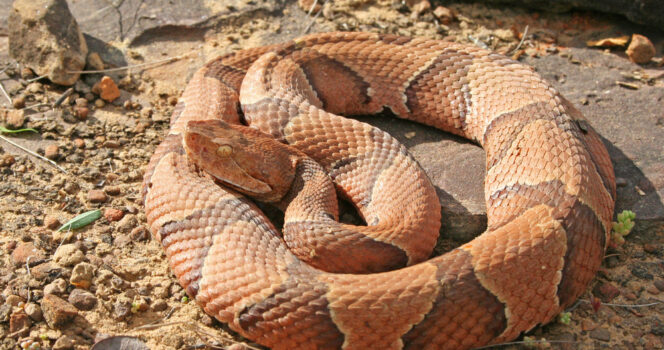
Among the venomous snakes commonly found in North America are rattlesnakes, copperheads, cottonmouths, and coral snakes. These species are responsible for most medically significant snake bites in the region.
Most venomous snakes in the U.S. belong to the pit viper family. These snakes are typically identified by triangular-shaped heads, slit-like pupils, heat-sensing pits located between the eyes and nostrils, and retractable fangs used to inject venom.
Coral snakes differ in appearance and behavior, often recognized by their distinctive red, yellow, and black banded coloration, along with more rounded physical features compared to pit vipers.
How Snake Bites Happen
Snake bites most often occur on the arms, hands, or wrists. These injuries typically happen when a person unknowingly comes too close to a snake or accidentally disturbs it.
In many cases, snakes bite as a defensive reaction rather than an act of aggression. Most prefer to avoid humans whenever possible.
Symptoms of a Snake Bite
The symptoms of a snake bite depend on whether the snake is venomous or nonvenomous. Understanding the differences can help determine the urgency of medical attention.
Nonvenomous Snake Bites
Bites from nonvenomous snakes are usually painful but not life-threatening. Common symptoms include puncture marks, mild bleeding, localized pain, redness, and slight swelling around the affected area.
Although uncomfortable, these bites generally do not cause systemic health effects.
Venomous Snake Bites
Venomous bites are significantly more serious and require immediate medical attention. Pain typically begins quickly and can intensify over time, often spreading beyond the bite area.
Swelling, bruising, nausea, weakness, and breathing difficulties may also occur as the venom spreads through the body.
Some species produce neurotoxic venom, which affects the nervous system. Symptoms may include muscle weakness, drooping eyelids, tingling sensations, and difficulty swallowing.
These symptoms indicate a medical emergency and should never be ignored.
Dry Bites
In some cases, a snake may bite without releasing venom. These are known as dry bites. Although the wound may still appear painful or alarming, it does not involve venom injection.
However, it is often difficult to distinguish a dry bite from a venomous one without medical evaluation, so all snake bites should be treated seriously.
Why Quick Medical Care Is Essential
The severity of a snake bite often depends on how quickly medical treatment is received. Delays in care can significantly increase the risk of complications.
Medical experts emphasize that severe reactions, underlying health conditions, or allergic responses can worsen outcomes if treatment is not provided promptly.
Because symptoms can progress rapidly, immediate evaluation by healthcare professionals is always recommended.
What to Do Immediately After a Snake Bite
Remaining calm is one of the most important first steps after a snake bite. Panic can increase heart rate and potentially accelerate the spread of venom through the body.
Emergency services should be contacted right away to ensure rapid medical attention.
The affected limb should be kept as still as possible and positioned below heart level when feasible. Limiting movement can help slow the spread of venom.
Any tight clothing or jewelry near the bite area should be removed quickly to prevent complications caused by swelling.
If safe, identifying the snake through a photo or description can assist medical professionals in determining appropriate treatment.
What Should Never Be Done
Several commonly believed methods for treating snake bites are ineffective and potentially harmful. These actions should be avoided entirely.
Attempting to suck out venom is not medically effective and can introduce infection. Cutting the wound can worsen tissue damage and increase risk of complications.
Applying ice or using a tourniquet can restrict blood flow and cause additional injury to surrounding tissue.
Attempting to capture or kill the snake is also dangerous and unnecessary. The priority should always be personal safety and immediate medical care.
Understanding Snake Behavior and Prevention
Most snakes are not aggressive toward humans and will avoid confrontation whenever possible. Bites typically occur when snakes are startled or accidentally stepped on or approached too closely.
Awareness of surroundings, especially in outdoor environments, can significantly reduce the risk of encounters.
Wearing protective footwear and being cautious in tall grass, rocky areas, or wooded environments can also help minimize risk.
Final Thoughts on Snake Bite Safety
Snake bites are serious medical events, but proper knowledge and quick action can greatly improve outcomes. Understanding what to do—and what to avoid—can be life-saving in an emergency situation.
The most important steps are remaining calm, seeking immediate medical help, and avoiding dangerous myths or outdated remedies.
While snakes may seem intimidating, they are generally not seeking conflict with humans. Most prefer to retreat rather than engage. However, if a bite does occur, informed action is the best protection against serious harm.
Awareness, preparation, and quick response remain the most effective tools for handling snake bite situations safely and responsibly.