
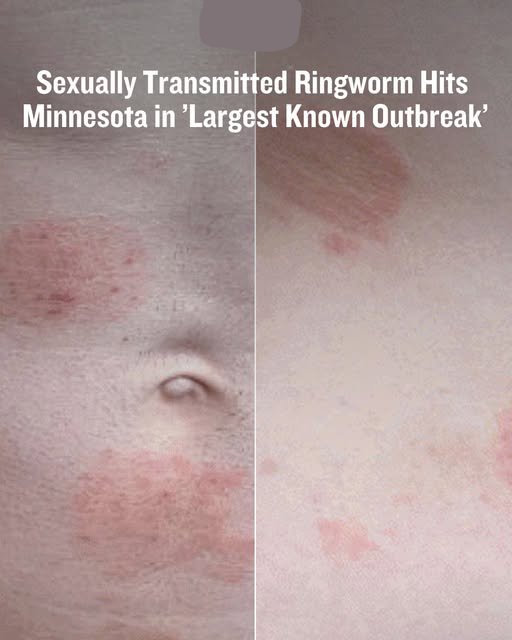
Minnesota Reports Largest Known Outbreak of Sexually Transmitted Ringworm Linked to Emerging Fungal Infection
Health Advisory Issued Following Surge in Cases
Minnesota health officials have issued a public advisory after identifying what they describe as the “largest known outbreak” of sexually transmitted ringworm in the area. The alert highlights a significant increase in infections connected to a recently identified fungal strain known as Trichophyton mentagrophytes genotype VII (TMVII).
The advisory, released on Feb. 11, outlines growing concern among health authorities as more individuals in the metro area have developed symptoms consistent with the infection. Officials emphasized the importance of awareness due to the unusual transmission pattern and the persistence of symptoms linked to this specific fungal strain.
More than 30 people have been sickened in the outbreak, marking a notable development in the tracking of TMVII cases in the United States. The number of confirmed and suspected infections has led health experts to classify the situation as the most significant cluster of its kind documented domestically.
Understanding TMVII and Its Transmission
Although commonly referred to as ringworm, TMVII is not caused by a worm. Instead, it is a fungal infection that spreads primarily through direct skin-to-skin contact, including sexual contact. This distinction is critical, as the name can often lead to misunderstandings about the nature of the condition.
Health officials noted that the infection causes “itchy, painful, and/or persistent genital, perianal, buttock or abdominal skin lesions.” These symptoms can vary in severity and may last for extended periods if not properly treated.
The fungus responsible for the outbreak is considered drug-resistant, which complicates treatment efforts and can prolong recovery times. In many cases, therapy may last up to 12 weeks, underscoring the need for early detection and sustained medical care.
Timeline of Discovery and Spread in the United States
TMVII was first discovered in the United States in June 2025, when a man in New York was diagnosed with the infection. This initial case marked the beginning of heightened monitoring of the fungal strain by health authorities.
Since that first diagnosis, surveillance efforts have tracked additional infections, eventually leading to the current cluster identified in Minnesota. Officials confirmed that “more than 30 confirmed or suspected cases have been reported in the metro area, resulting in the largest known outbreak of TMVII in the United States.”
The accumulation of cases within a concentrated geographic area has prompted increased vigilance among public health professionals, who are closely observing trends in transmission and symptom presentation.
Global Context of the Emerging Fungus
The U.S. Centers for Disease Control has characterized TMVII as “an emerging fungus” with a history of international detection. Early reports described infections among travelers returning from Thailand following intimate contact abroad.
Health experts further noted that the fungus was originally “described in travelers returning from Thailand after sexual contact with sex workers.” Over time, additional cases have been documented in regions including China and parts of Europe.
This global pattern indicates that the infection is not isolated to one location and may spread across borders through travel and close personal contact. The emergence of cases in multiple regions has contributed to growing concern among health agencies.
Population Trends and Risk Factors
Available data suggests that the infection is primarily associated with men who have sex with men, although health officials continue to stress that anyone exposed through direct skin contact could potentially become infected. This demographic trend has informed targeted awareness and prevention messaging.
Experts emphasize that identifying transmission patterns is essential for limiting further spread. Recognizing the groups most affected allows for more focused public health interventions while maintaining broader caution for the general population.
The evolving nature of TMVII infections reinforces the need for ongoing monitoring, especially as the fungus continues to appear in new geographic areas.
Symptoms and Potential for Misdiagnosis
The rash associated with TMVII can appear round and may sometimes be covered with pimples or bumps. Because of its visual similarities to other dermatological conditions, it can be mistaken for eczema or psoriasis, which may delay appropriate treatment.
Persistent lesions in the genital, perianal, buttock, or abdominal regions are among the most frequently reported symptoms. In some cases, the discomfort may include itching and pain, contributing to prolonged irritation and reduced quality of life.
Misdiagnosis remains a concern, particularly when symptoms resemble more common skin disorders. Health officials stress the importance of medical evaluation when unusual or persistent skin changes occur, especially in areas commonly affected by the infection.
Treatment Challenges and Duration
One of the defining features of TMVII is its resistance to certain treatments, which can make management more complex than traditional fungal infections. Officials have indicated that treatment may extend for as long as 12 weeks, depending on the severity and persistence of symptoms.
Longer treatment periods require consistent adherence to prescribed therapies and follow-up care. Failure to complete treatment may contribute to continued symptoms and potential transmission.
The extended recovery timeline highlights the importance of early diagnosis, as prompt medical intervention can help prevent the infection from becoming more severe or spreading to others.
Public Health Guidance to Limit Transmission
Health authorities are advising individuals who suspect infection to avoid sexual contact until symptoms have resolved and medical treatment has been completed. Reducing direct skin contact is a key strategy in preventing further spread of the fungus.
Officials also recommend avoiding the sharing of personal items and clothing, as fungal spores can survive on fabric. Proper hygiene practices are considered essential in controlling the outbreak.
Washing and drying clothing on high heat has been specifically highlighted as an effective method to kill spores that may linger in fabrics. These preventive measures are intended to reduce the likelihood of secondary transmission within households or close-contact environments.
Importance of Awareness and Ongoing Monitoring
The Minnesota outbreak underscores the importance of public awareness regarding emerging fungal infections that may present in unfamiliar ways. Increased knowledge about TMVII can help individuals recognize symptoms and seek timely medical attention.
Health officials continue to monitor the situation closely as new cases are identified and evaluated. Surveillance efforts aim to better understand transmission patterns, treatment outcomes, and the broader implications of the fungal strain’s spread.
With more than 30 people already sickened, the outbreak represents a significant development in the tracking of sexually transmitted fungal infections in the United States.
Outlook as Cases Continue to Be Evaluated
Public health experts emphasize that the designation of the “largest known outbreak” reflects both the number of documented cases and the emerging nature of the fungus itself. Continued case identification and reporting will shape the understanding of TMVII’s impact.
The situation in Minnesota serves as a reminder that fungal infections can evolve and present new challenges for healthcare systems and patients alike. Ongoing vigilance, accurate diagnosis, and adherence to preventive guidance remain central to managing the outbreak.
As monitoring efforts progress, officials maintain a focus on limiting transmission, improving treatment outcomes, and ensuring that individuals are informed about the risks associated with this emerging fungal infection.