
The Lemon and Salt Ritual at Home: Tradition, Science, and Psychological Effects Explained
A Popular Household Practice Rooted in Simplicity
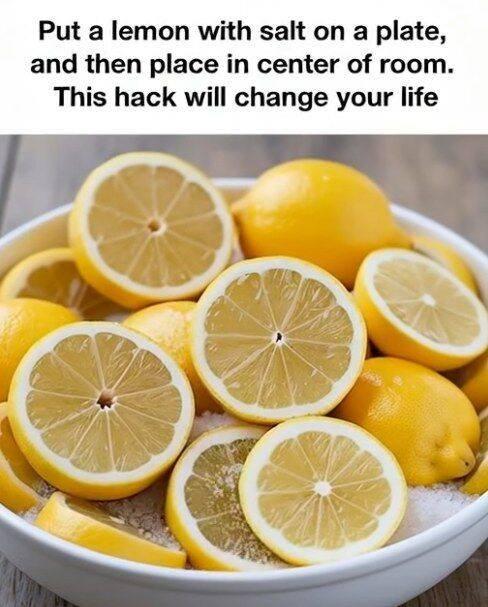
Across many households, small rituals are often believed to influence the atmosphere and overall feeling of a living space. One widely shared practice involves cutting a lemon into quarters, sprinkling it with salt, and placing it on a plate in the center of a room.
This simple ritual is frequently associated with claims of freshening the air, reducing stress, repelling insects, and even removing “negative energy.” Its popularity has grown through word of mouth and cultural traditions that emphasize natural methods for improving home environments.
While the ritual is easy to perform and inexpensive, understanding what it actually does requires a closer look at both scientific explanations and traditional beliefs.
Why Supporters Believe in the Lemon and Salt Method
Many people who follow this practice believe that the combination of lemon and salt can improve the ambiance of a room. The ritual is often described as a natural way to refresh the air and create a more calming environment.
Supporters also suggest that it can help with unpleasant odors, emotional tension, lingering germs, and minor insect presence. In some traditions, it is even associated with spiritual cleansing and protection.
Although these beliefs vary across cultures and personal experiences, the ritual continues to be shared as a gentle and accessible home habit.
The Role of Scent in Perceived Freshness
One of the most immediate effects of placing a cut lemon in a room comes from its aroma. Lemon peels contain natural oils, particularly d-limonene, which release a crisp and refreshing citrus scent.
This fragrance can make a room feel cleaner and more pleasant, even though it does not chemically neutralize odors in the same way as an air purifier.
Instead of eliminating the source of unpleasant smells, the citrus scent tends to mask them, creating the perception of freshness.
This sensory effect plays a significant role in why the ritual is often perceived as effective.
Cleaning and Germ-Related Claims Examined
Lemon juice naturally contains citric acid, which has mild antibacterial properties when applied directly to surfaces. This characteristic has led to its frequent use in natural cleaning solutions.
However, a sliced lemon placed on a plate does not function as a disinfectant for the air or surrounding environment.
There is no scientific evidence showing that a stationary lemon can sanitize furniture, eliminate airborne germs, or significantly reduce bacteria in a room.
While the idea of natural cleansing is appealing, practical sanitation still requires proper cleaning methods and hygiene practices.
Air Purification Myths and Scientific Perspective
Some claims suggest that lemons and salt can absorb toxins, harmful particles, or negative ions from the air. These ideas are often linked to broader beliefs about natural purification.
Modern scientific understanding does not support the notion that lemons or salt can meaningfully purify indoor air quality.
Research examining similar concepts, including those related to salt-based products, has found no measurable effect on airborne pathogens or environmental toxins.
Effective air purification typically relies on proper ventilation systems or filters designed specifically for air quality improvement.
Potential Insect Deterrent Effects
Citrus oils such as d-limonene are known to have mild insect-deterring properties and are sometimes included in natural pesticide formulas.
Despite this, lemons are among the less potent citrus options when it comes to repelling insects.
A sliced lemon placed in a room may discourage a few fruit flies or small insects temporarily, but it does not provide reliable or long-term pest control.
For consistent results, more targeted pest management methods are typically required.
Psychological and Emotional Benefits
Even without strong scientific support for environmental effects, the ritual may offer psychological advantages. The scent of citrus is commonly associated with freshness, cleanliness, and emotional uplift.
Exposure to citrus aromas has been linked to relaxation and improved mood in certain research settings.
In one study conducted in Japan, inhaling the scent of yuzu, a citrus fruit similar to lemon, for approximately ten minutes was associated with reduced stress and depressive symptoms.
Although a fresh lemon produces a milder scent than concentrated oils, it may still provide a subtle sense of calm and comfort.
Influence on Focus and Mental Clarity
Some research has also suggested that lemon fragrance may support concentration and alertness. Environmental scent can influence cognitive performance in certain settings.
A study conducted in 2004 observed that students performed better on tests in classrooms infused with lemon scent compared to unscented environments.
While the effect of a natural lemon is less concentrated than diffused fragrances, its presence may still create a gentle sensory cue that supports focus.
This psychological association may explain why some people prefer placing lemon near work or study areas.
Cultural and Spiritual Traditions Behind the Ritual
Lemons and salt have long-standing symbolic roles in cultural and spiritual practices around the world. In many traditions, these elements are linked to protection, cleansing, and balance.
In Mediterranean and Middle Eastern customs, lemons are sometimes placed in living spaces or near sleeping areas as symbols of protection from negative influences.
Salt is widely used in cleansing rituals across different cultures, including Japanese Shinto traditions and European folk practices, where it is associated with purification and safeguarding spaces.
In Feng Shui traditions, lemons are believed to attract positive energy, often referred to as “chi,” when placed intentionally within the home.
While these interpretations are not scientifically measurable, they hold strong emotional and cultural meaning for those who practice them.
The Role of Ritual in Creating a Sense of Calm
Rituals, even simple ones, can have a psychological impact on how people perceive their environment. Engaging in small acts that symbolize cleanliness or renewal can contribute to a feeling of control and comfort.
The visual presence of fresh lemon slices and salt can reinforce a mental association with freshness and care.
This perception alone can influence mood, making a space feel more inviting and emotionally balanced.
Practical Limitations to Consider
Despite its popularity, the lemon and salt method should not be viewed as a substitute for proper cleaning, air filtration, or hygiene practices.
It does not disinfect air, remove toxins, or replace ventilation systems designed to improve indoor air quality.
Over time, a cut lemon can also dry out or spoil, which may reduce its pleasant scent and potentially attract insects if left unattended.
Regular replacement and mindful placement are necessary to maintain its intended sensory effect.
A Harmless and Affordable Home Habit
One of the reasons this ritual remains popular is its simplicity and affordability. It requires only common household items and minimal effort.
Unlike expensive air fresheners or devices, it offers a natural and accessible option for enhancing the sensory atmosphere of a room.
For many individuals, the ritual serves as a symbolic act of refreshing their living space rather than a scientifically proven solution.
Balancing Tradition and Scientific Understanding
The lemon and salt practice sits at the intersection of cultural tradition, sensory psychology, and everyday home habits. While science does not support claims of air purification or germ elimination, the ritual can still influence perception and emotional well-being.
The pleasant citrus aroma, combined with the symbolic meaning of the ingredients, can contribute to a more relaxed and comfortable environment.
This blend of tradition and sensory experience helps explain why the practice continues to be widely shared.
Final Thoughts on the Lemon and Salt Ritual
Using lemon and salt in the home is generally harmless, inexpensive, and capable of making a room smell fresher and feel more inviting. While it does not disinfect the air or eliminate germs, it may offer psychological comfort and a subtle mood boost.
Much like other symbolic household practices, its value often lies in how it makes people feel rather than in measurable environmental effects.
If the presence of lemon and salt creates a sense of calm, freshness, or emotional balance, that perceived benefit can still contribute positively to the overall atmosphere of a home.