
Plantar Warts and Calluses: Understanding the Key Differences and Why Proper Identification Matters
Hard Skin on the Foot Is Not Always a Simple Callus
Thickened skin on the bottom of the foot is often assumed to be nothing more than a callus. Because calluses are common and usually harmless, many people quickly dismiss these rough patches as a normal result of friction or pressure.
However, not every hardened area of skin on the foot develops for the same reason. In some cases, what appears to be a simple callus may actually be a plantar wart, a condition that requires a different understanding and approach.
At first glance, plantar warts and calluses can appear very similar. Both can create thickened patches of skin and both may cause discomfort during everyday activities such as walking or standing.
Despite their similar appearance, these two conditions are fundamentally different. A callus develops as a protective response to repeated pressure or friction, while a plantar wart forms due to a viral infection affecting the skin of the foot.
Because of these differences, confusing one for the other can lead to ineffective or even harmful treatment attempts. Understanding how plantar warts form and how they differ from calluses can help prevent unnecessary discomfort and avoid worsening the condition.
What Makes Plantar Warts Different From Calluses
A callus forms when the skin repeatedly experiences friction or pressure. The body responds by producing thicker layers of skin in the affected area, creating a protective barrier that reduces irritation from shoes or walking.
This type of thickened skin often appears on parts of the foot that endure the most pressure. Common locations include the heel, the ball of the foot, and the sides or edges of the toes.
Plantar warts develop in a completely different way. Instead of forming as a protective response, they appear after the human papillomavirus (HPV) enters the skin.
This virus can enter through small breaks, cracks, or weakened areas in the skin. Once inside the body, it stimulates abnormal skin cell growth, leading to the formation of a wart.
Unlike calluses, which form purely due to mechanical stress, plantar warts are the result of a viral infection affecting the outer layers of the skin on the sole of the foot.
This difference is important because it changes how the condition behaves and how it should be treated.
Where Plantar Warts Commonly Develop
The environment plays a significant role in how plantar warts spread. Because the virus thrives in warm and damp conditions, areas such as swimming pools, locker rooms, gyms, and public showers can increase the risk of infection.
Walking barefoot in these locations can allow the virus to come into contact with the skin of the foot. If the skin contains tiny cracks or cuts, the virus may enter and begin to develop into a wart.
Plantar warts often appear on specific spots on the sole of the foot. They may also develop between the toes in certain situations.
Because the foot constantly bears body weight, plantar warts frequently grow inward rather than outward. This inward growth can cause pressure and discomfort when walking or standing.
Calluses, on the other hand, tend to form exactly where friction or pressure occurs repeatedly. This is why they are most often found on the heel, the ball of the foot, or other areas that come into frequent contact with shoes.
Visible Signs That Can Help Tell Them Apart
Although plantar warts and calluses may look similar initially, several visual signs can help distinguish one from the other.
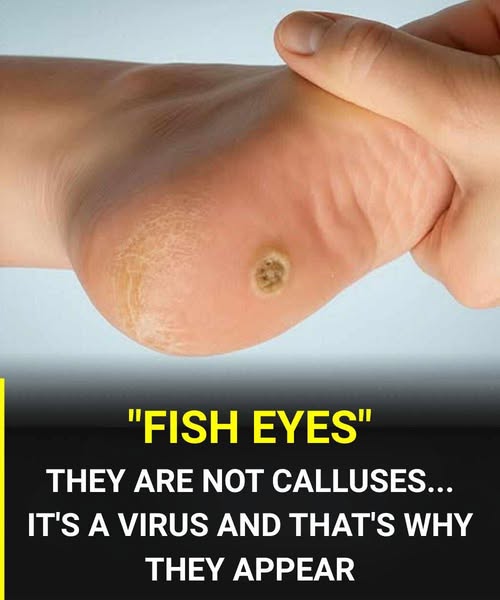
Plantar warts usually appear as hardened, rounded areas of skin that may be slightly raised. Their surface often looks rough and uneven compared with the smoother appearance of a callus.
One of the most noticeable indicators of a plantar wart is the presence of tiny black dots inside the lesion. These dots are small blood vessels that have clotted within the wart.
Calluses typically do not contain these black dots. Instead, they usually appear as evenly thickened patches of skin with a uniform color and texture.
Another noticeable difference can be the shape and outline of the affected area. Plantar warts may appear more defined and circular, while calluses often spread across a broader section of skin.
Differences in How Pain Is Experienced
The way pain is felt can also help distinguish between these two conditions.
Calluses generally cause discomfort when pressure is applied directly from above. Because they form as a protective layer against repeated pressure, the pain usually comes from the thickened skin pressing against underlying tissue.
Plantar warts often produce a different sensation. People may experience greater discomfort when pressure is applied from the sides rather than directly from above.
This sideways pressure can create a deeper feeling of pain within the foot. Many individuals describe it as a sensation similar to having a small stone stuck beneath the skin.
Since plantar warts can grow inward due to the constant weight placed on the foot, this deeper pain can become noticeable during walking or standing.
Over time, this discomfort may begin to interfere with everyday movement or cause changes in how a person walks.
Why Misidentifying the Condition Can Cause Problems
A common mistake occurs when a plantar wart is mistaken for a callus. Because both conditions involve thickened skin, people may attempt to treat the wart using methods typically used for calluses.
Some individuals try to remove the hardened skin with pumice stones, razors, or over-the-counter patches. While these approaches may help reduce calluses, they do not eliminate the virus responsible for plantar warts.
Attempting to scrape or cut the lesion may irritate the skin and worsen the problem. The virus may remain active beneath the surface, allowing the wart to persist or grow.
Improper handling of the lesion can also increase the risk of spreading the virus. When the affected area is disturbed, the virus may transfer to nearby skin and cause additional warts to develop.
This process is sometimes referred to as self-infection because the virus spreads from one part of the body to another.
For individuals with circulation problems or weakened immune systems, incorrect treatment can present additional challenges and may require medical attention.
How Plantar Warts Affect Daily Comfort
The location of plantar warts on the sole of the foot can make them particularly uncomfortable. Because the feet support the entire body during standing and walking, pressure is constantly applied to the affected area.
As the wart grows inward, the sensation of discomfort may intensify. What begins as a small area of irritation can gradually feel like a persistent object pressing against the foot.
This pressure may cause people to adjust their walking patterns in an attempt to avoid pain. Over time, these adjustments may lead to additional strain on other areas of the foot.
For some individuals, even routine activities such as walking short distances or standing for long periods can become uncomfortable.
Recognizing the condition early can help prevent prolonged discomfort and reduce the risk of the wart spreading.
Approaches to Treatment and Prevention
Treating plantar warts involves addressing the viral infection responsible for the growth. Because the condition originates from the human papillomavirus, the goal of treatment is to eliminate the virus from the affected skin.
This process may involve specific medications, dermatological procedures, or treatments recommended by healthcare professionals.
Preventive habits can also play an important role in reducing the risk of infection or recurrence.
Maintaining proper foot hygiene helps create an environment that is less favorable for viral growth. Thoroughly drying the feet after bathing is a simple but effective step.
Wearing sandals in shared spaces such as public showers or locker rooms can help prevent direct contact between the feet and surfaces where the virus may be present.
Avoiding the sharing of towels, shoes, or pedicure tools can further reduce the possibility of spreading the virus.
These preventive steps help protect not only the individual but also others who may come into contact with shared environments.
The Importance of Recognizing the Difference
Although calluses and plantar warts can appear similar, they represent two completely different conditions.
A callus is simply the skin’s natural response to repeated pressure or friction. It forms as a protective layer and usually resolves when the source of pressure is reduced.
A plantar wart, however, is a viral infection that develops when the human papillomavirus enters the skin and triggers abnormal growth.
Because of this difference, treating a plantar wart in the same way as a callus often fails to address the underlying cause.
Understanding how these conditions differ can help individuals recognize early signs, avoid ineffective treatments, and take appropriate steps to protect their foot health.
By identifying the condition correctly and following preventive practices, it becomes easier to maintain comfort and reduce the risk of ongoing foot problems.