
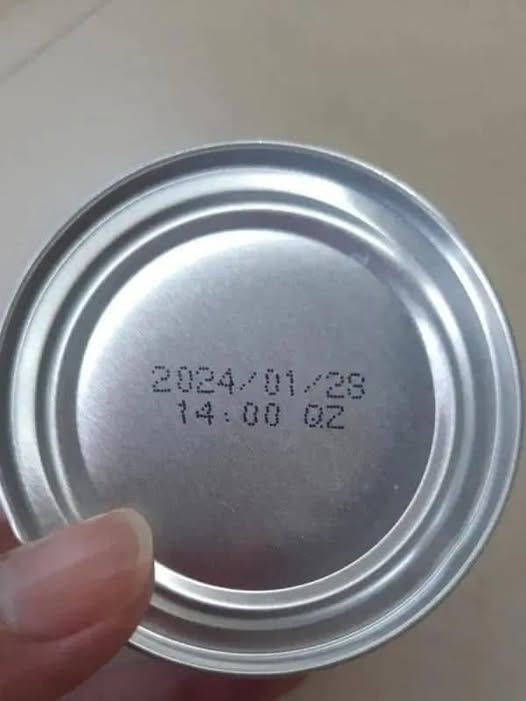
Understanding Food Date Labels Can Help Reduce Waste and Improve Kitchen Confidence
Many shoppers treat the dates printed on food packaging as firm safety cutoffs, discarding items as soon as those dates pass.
In reality, most food date labels are intended as quality guidelines rather than indicators of immediate health risk.
This widespread misunderstanding contributes to unnecessary food waste and added stress around meal planning and storage.
Recognizing what these labels actually mean can help consumers make more informed decisions while keeping food safety in perspective.
What the Law Actually Requires
In the United States, federal law mandates strict expiration dating for only one category of food.
Infant formula is required to carry an expiration date to ensure it meets the nutritional standards essential for infant development.
Beyond this single exception, there is no federal requirement for expiration dates on most packaged foods.
Instead, manufacturers voluntarily include dates to communicate expected quality, not safety.
These dates are designed to indicate when a product is likely to taste best or maintain its intended texture.
Quality Guidelines, Not Danger Warnings
Food does not suddenly become unsafe the moment a printed date arrives.
The idea that food automatically turns hazardous at midnight on a labeled date is a common misconception.
Most products decline gradually in quality rather than experiencing an abrupt change.
Understanding this distinction is key to reducing unnecessary disposal of edible food.
For many items, especially shelf-stable ones, the printed date reflects a conservative estimate rather than a strict limit.
Common Types of Food Date Labels
Food packaging often includes different types of dates, each serving a specific purpose.
“Best By” or “Best Before” dates are among the most frequently misunderstood.
These labels indicate when a product is expected to deliver optimal flavor, texture, or performance.
They do not mean the food becomes unsafe immediately after the listed date.
If stored correctly, many foods remain perfectly usable well beyond that timeframe.
Foods That Often Last Longer Than Expected
Shelf-stable products are especially forgiving when it comes to date labels.
Items such as pasta, cereal, rice, canned vegetables, and packaged snacks can often remain safe and usable long after the printed date.
Their low moisture content and sealed packaging slow down the processes that cause spoilage.
In a stable environment, these foods degrade slowly, mainly in flavor or texture rather than safety.
Discarding them solely based on a date can result in significant waste.
The Meaning of “Sell By” Dates
“Sell By” dates are primarily intended for retailers, not consumers.
They help stores manage inventory and rotate products efficiently on shelves.
These dates signal how long a store should display an item for sale.
They are not meant to indicate when a product becomes unsafe to eat.
Consumers often mistake these labels for expiration warnings, leading to premature disposal.
Interpreting “Use By” Dates
“Use By” dates tend to appear on more perishable, refrigerated items.
While these dates are more conservative, they still represent estimates rather than absolute limits.
Manufacturers account for worst-case storage scenarios when setting them.
As a result, many products remain safe for some time beyond the listed date if handled properly.
Evaluating these foods alongside sensory cues provides a more accurate picture of safety.
Why Storage Matters More Than the Date
The actual condition of food is influenced far more by how it is stored than by the date on its packaging.
Temperature consistency plays a crucial role in slowing spoilage.
Moisture levels and exposure to air also significantly affect how quickly food deteriorates.
Even a product with a distant date can spoil early if kept in poor conditions.
Conversely, proper storage can extend usability well beyond expectations.
Examples of Storage Impact
Rice, dry beans, and canned goods can last for years when kept in a cool, dry pantry.
Heat and humidity accelerate chemical and microbial changes that shorten shelf life.
Exposure to light can also degrade certain foods, affecting flavor and nutrients.
Storing items in sealed containers helps protect them from air and moisture.
These factors collectively determine longevity more accurately than a printed date.
What Happens After a Package Is Opened
Once a food container is opened, the printed date becomes far less relevant.
Opening exposes the contents to air, moisture, and potential contaminants.
From that point forward, proper sealing and refrigeration become the main defenses against spoilage.
Leaving opened items uncovered or at room temperature can dramatically shorten their usable life.
Timely storage matters more than the original label once packaging is compromised.
Using Your Senses as a Safety Tool
Relying on sight, smell, and texture is one of the most effective ways to assess food safety.
Visible mold, unusual discoloration, or slimy textures are strong indicators that food should be discarded.
Off or sour odors often signal spoilage before taste ever comes into play.
These sensory checks provide immediate, practical information that dates alone cannot convey.
They allow consumers to judge the actual condition of food rather than relying on assumptions.
Reducing Anxiety in the Kitchen
Misinterpreting date labels can create unnecessary stress around food preparation.
Many people feel compelled to throw away items they suspect might be unsafe, even when no spoilage signs are present.
Understanding the intent behind labeling helps reduce this anxiety.
It allows individuals to approach food storage with confidence instead of fear.
This shift can make everyday cooking and meal planning more manageable.
Budget Benefits of Smarter Food Use
Throwing away edible food has direct financial consequences for households.
Replacing discarded items increases grocery costs over time.
By using foods beyond their printed dates when safe, consumers can stretch their budgets further.
This practice is particularly valuable for staple foods purchased in bulk.
Small changes in habits can add up to meaningful savings.
Environmental Impact of Food Waste
Food waste has broader consequences beyond individual households.
Discarded food contributes to landfill volume and methane emissions.
The resources used to produce, transport, and package that food are also wasted.
Reducing unnecessary disposal helps lower environmental impact.
Better understanding of food labels supports more sustainable consumption.
Practical Habits That Make a Difference
Using older items first is a simple strategy to prevent food from lingering too long.
Organizing pantries and refrigerators so that earlier purchases are visible encourages this habit.
Freezing leftovers promptly preserves freshness and extends usability.
Labeling stored food with opening dates can also help track actual freshness.
These small steps work together to reduce spoilage.
Balancing Safety With Waste Reduction
Food safety should always remain a priority.
Understanding labels does not mean ignoring obvious signs of spoilage.
Instead, it means combining label information with proper storage and sensory checks.
This balanced approach protects health while minimizing unnecessary waste.
It empowers consumers to make decisions based on evidence rather than fear.
Why Manufacturer Dates Are Conservative
Manufacturers set dates to account for a wide range of storage conditions.
They must assume that products may not always be stored ideally.
As a result, dates err on the side of caution.
This conservatism helps protect brand reputation and consumer satisfaction.
It also explains why many foods remain usable past those dates in home kitchens.
Developing Confidence Over Time
Becoming comfortable with evaluating food takes practice.
Each experience reinforces the ability to judge quality accurately.
Over time, consumers can learn which foods are more forgiving and which require closer attention.
This familiarity builds confidence and reduces reliance on printed labels alone.
It transforms food management into a skill rather than a source of uncertainty.
Conclusion
Food date labels are best understood as tools for quality guidance, not rigid safety deadlines.
Except for infant formula, these dates are voluntary indicators provided by manufacturers.
Actual food safety depends far more on storage conditions and sensory evaluation.
By learning to interpret labels correctly and trust observable signs, consumers can reduce waste and save money.
Ultimately, this understanding supports a more confident, sustainable, and informed approach to food use.