
Mulberries May Offer Benefits for Blood Sugar, Heart Health, and Healthy Aging
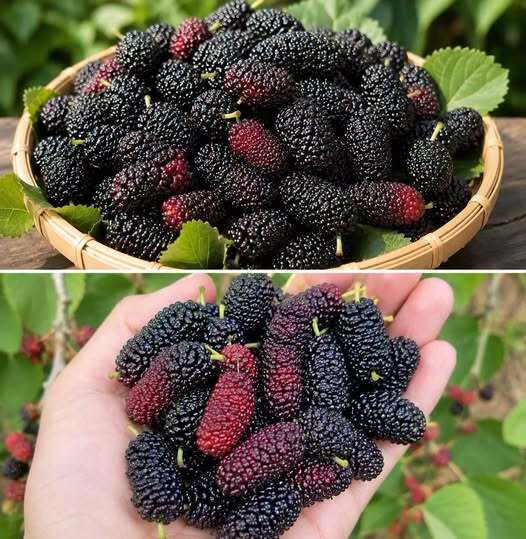
Mulberries are small, sweet fruits that can provide a useful combination of fiber, vitamins, minerals, and antioxidant plant compounds. Although they may appear similar to other seasonal berries, their nutritional profile has made them an increasingly discussed addition to a balanced diet.
The fruit appears in several colors, including white, pale red, dark purple, and nearly black. Darker mulberries are especially recognizable because their strongly colored juice can quickly stain hands, clothing, countertops, and other surfaces.
The rich color comes from naturally occurring pigments that help protect the plant. Some of these compounds may also support protective processes within the human body when the fruit is eaten regularly as part of a varied diet.
Mulberries should not be treated as a cure or replacement for medical care. Their value comes from the collection of nutrients they provide, including vitamin C, iron, dietary fiber, resveratrol, anthocyanins, and other plant-based compounds.
A Nutrient-Rich Fruit With Natural Sweetness
Fresh mulberries contain water, natural carbohydrates, fiber, vitamins, and minerals. Their sweetness allows them to be enjoyed as a snack or dessert while offering more nutritional value than many heavily processed sweet foods.
Vitamin C is among the nutrients found in the fruit. The body relies on this vitamin for normal immune activity, collagen formation, tissue maintenance, and protection against oxidative stress.
Mulberries also provide iron, which is necessary for healthy red blood cell production and the movement of oxygen throughout the body. The amount of iron can vary depending on the variety and whether the berries are consumed fresh or dried.
Dietary fiber adds another benefit. It supports digestion, contributes to regular bowel movements, and may help a person remain satisfied after eating.
The nutritional concentration changes considerably when mulberries are dried. Removing most of the water reduces their size and makes the remaining calories and natural sugars more concentrated.
As a result, a small handful of dried mulberries can contain more sugar and calories than the same-sized portion of fresh fruit. Portion awareness is therefore more important when choosing the dried form.
Antioxidant Compounds Support Cellular Protection
Normal activity inside the body produces unstable molecules often described as free radicals. Environmental exposure and everyday habits can add to the oxidative stress experienced by cells.
Antioxidants help the body manage these unstable molecules. Mulberries contain several such compounds, including anthocyanins and resveratrol.
Anthocyanins create many of the red, blue, and purple shades seen in plant foods. Dark-colored mulberries usually contain a greater visible concentration of these pigments than lighter varieties.
Resveratrol is another plant compound present in mulberries. It has attracted attention because of its possible relationship with cellular protection, inflammation, and cardiovascular function.
The effect of antioxidant-rich foods is not usually something a person can immediately feel. These compounds work more quietly by supporting the body’s natural protective systems over time.
No single berry or antioxidant can prevent every form of cellular damage. The most meaningful support is likely to come from regularly eating many different fruits, vegetables, and minimally processed plant foods.
Fiber May Improve Digestive Regularity
Much of the digestive value of mulberries comes from their fiber content. Fiber adds volume to stool and supports the movement of material through the digestive tract.
It also interacts with the large population of microorganisms that naturally live in the intestines. A varied diet containing different plant foods can help maintain a more balanced digestive environment.
Someone who normally eats very little fiber may experience discomfort after suddenly consuming a large amount of mulberries. Possible effects can include gas, bloating, or changes in bowel habits.
Increasing fiber gradually can make the adjustment easier. Fresh berries also contain water, which works together with fiber to support normal digestion.
Dried mulberries have much less water. People eating the dried fruit should make sure they are also consuming enough fluids throughout the day.
A moderate serving can be added to oatmeal, plain yogurt, or another breakfast dish. This can increase both fruit and fiber intake without requiring a major change to the meal.
Vitamin C Supports Immunity and Tissue Health
Vitamin C contributes to the normal functioning of the immune system. It is also involved in collagen production, which supports the skin, cartilage, blood vessels, and other connective tissues.
Because the body cannot store unlimited quantities of vitamin C, it must be obtained regularly through food. Mulberries can contribute to that intake alongside vegetables and other fruits.
Vitamin C also improves the absorption of certain forms of iron found in plant foods. This is notable because mulberries naturally contain both nutrients.
However, the fruit should not be relied upon as the only response to low iron levels. A person with an iron deficiency may require testing, dietary changes, or treatment determined by a qualified professional.
Mulberries are most appropriately viewed as one supportive component of a varied eating pattern rather than as a substitute for personalized medical care.
Why Mulberries Are Discussed in Relation to Blood Sugar
Blood sugar management is one of the most widely discussed areas involving mulberry products. Much of this interest centers on compounds found in the leaves rather than only in the fruit.
A natural substance known as DNJ may affect how the digestive system processes certain carbohydrates. By slowing their breakdown, it may reduce the speed at which glucose enters the bloodstream following a meal.
This possibility has led to the sale of mulberry leaf teas, powders, extracts, and supplements aimed at people concerned about post-meal glucose levels.
Whole mulberries are different from concentrated leaf preparations. Both fresh and dried fruit contain natural sugar, meaning portion size still matters for anyone closely tracking carbohydrate intake.
Dried berries are particularly easy to eat in large amounts because they are small, chewy, and sweet. A person may consume multiple servings without realizing how much sugar has been eaten.
Pairing mulberries with protein, healthy fats, or additional fiber may produce a more balanced meal than consuming a large amount of dried fruit alone.
Blood Sugar Medication Can Create an Interaction Risk
The possible influence of mulberry leaf compounds on glucose is also the reason concentrated products may require caution.
A person using insulin or medication designed to reduce blood sugar could experience an additional glucose-lowering effect after taking a concentrated mulberry preparation.
Under some circumstances, blood sugar could fall lower than expected. This risk is more relevant to supplements, strong teas, extracts, and powders than to ordinary portions of fresh fruit.
Even so, people managing diabetes should observe how newly introduced foods affect their individual readings. Responses can differ from one person to another.
A product should not automatically be considered harmless simply because it is plant-based. Concentrated natural compounds can still produce side effects or interact with medication.
Anyone taking glucose-lowering drugs should obtain medical guidance before regularly using mulberry leaf capsules, strong extracts, or similar preparations. Medication should never be altered solely because a person has started consuming mulberry products.
Possible Support for Cholesterol and Cardiovascular Health
Mulberries have also been associated with factors connected to heart health. Their fiber and antioxidant content may support a heart-conscious eating pattern over time.
Fiber can contribute to healthy cholesterol management when combined with an appropriate overall diet. Antioxidants may help protect cells and blood vessels from continuing oxidative stress.
The fruit also provides plant compounds that may help support the body’s normal inflammatory balance. Inflammation is one of several factors associated with long-term cardiovascular health.
These possible effects do not mean mulberries can reverse established heart disease or replace prescribed treatment. Cardiovascular risk is influenced by many elements, including blood pressure, cholesterol, smoking, physical activity, sleep, genetics, and overall food choices.
Eating a bowl of berries cannot compensate for an otherwise consistently unhealthy lifestyle. Mulberries are most useful when included in meals that already contain vegetables, legumes, whole grains, appropriate fats, and sensible portions.
Antioxidants May Contribute to Brain Protection
The brain uses substantial amounts of oxygen and energy, making its cells particularly vulnerable to oxidative stress. This has encouraged interest in foods rich in anthocyanins and other antioxidant compounds.
Mulberries may provide compounds that contribute to the body’s defense against gradual cellular damage. Their inclusion in a nutrient-dense diet may therefore support healthy aging.
Any benefit is likely to be gradual and subtle. Eating mulberries will not immediately improve memory or eliminate the possibility of neurological illness.
Long-term brain health depends on numerous factors, including sleep, physical movement, blood pressure, social interaction, education, and the general quality of a person’s diet.
The berries can contribute to a healthy eating pattern, but they should not be presented as a guaranteed way to prevent cognitive decline.
Dark Pigments May Also Support Aging Eyes
The pigments found in dark fruits have also attracted attention in discussions about eye health. Eye tissues experience ongoing exposure to light and oxidative stress throughout a person’s life.
Antioxidants support the body’s natural defenses against this type of damage. Anthocyanins from dark mulberries may form one part of that broader protective system.
Maintaining healthy vision also requires other nutrients and habits. Regular eye examinations, protection from excessive sunlight, stable blood sugar, and a varied diet remain important.
Mulberries should therefore be considered one colorful source of useful plant compounds, not a treatment for vision problems.
Fresh and Dried Mulberries Have Important Differences
Fresh mulberries are soft, delicate, and often have a short shelf life. They can become damaged or overly ripe quickly after harvesting, which makes dried varieties easier to find in some locations.
The fresh fruit contains more water and generally provides a larger volume for fewer calories. It can be eaten alone or added to salads, yogurt, cereal, and breakfast dishes.
Dried mulberries have a chewy texture and more concentrated sweetness. They are commonly mixed into oatmeal, granola, baked goods, cereal, or trail mixes.
The reduced water content means that portion size deserves closer attention. A relatively small quantity of dried fruit may provide the sugar and calories of a much larger serving of fresh berries.
Packaged products may sometimes contain sweeteners in addition to the fruit’s natural sugar. Checking the ingredient label can reveal whether the berries are plain or have been coated with syrup or added sugar.
Mulberry Leaf Tea and Supplements Are More Concentrated
Mulberry leaves are frequently prepared as tea and used in capsules, powders, and extracts. These preparations are not nutritionally identical to the fruit and may provide larger amounts of specific active compounds.
DNJ in the leaves is one of the main reasons these products are linked with carbohydrate digestion and post-meal glucose responses.
A lightly prepared tea may have a different effect from a concentrated capsule or extract. Strength, product quality, and recommended serving sizes can vary substantially.
Describing a supplement as natural does not guarantee that it is suitable for everyone. Strong preparations may produce unwanted reactions or interfere with prescription drugs.
People who are pregnant, breastfeeding, taking medication, or managing a chronic condition should be especially careful before using concentrated leaf products.
Practical Ways to Include Mulberries in Meals
Fresh mulberries can be gently rinsed and eaten on their own. Because they are soft and easily damaged, forceful washing may crush them.
They can be combined with plain yogurt, seeds, or nuts for a meal containing protein, fat, fiber, and natural sweetness.
A small serving can also be stirred into oatmeal or another whole-grain breakfast. Fresh berries soften when warmed, while dried berries add a chewier texture.
Mulberries may be blended into smoothies, although eating the fruit whole preserves its texture and may encourage slower consumption.
In salads, their sweetness can balance leafy greens, grains, cheese, or nuts. They may also be incorporated into preserves, sauces, baked dishes, or other recipes.
Simple preparation is often the best choice. Adding large quantities of sugar can reduce the nutritional advantage of selecting a naturally sweet fruit.
Moderate Portions Are Usually the Better Choice
Mulberries contain useful nutrients, but consuming increasingly large amounts does not guarantee additional benefits.
Excessive portions may raise total sugar intake or cause digestive discomfort. People who are sensitive to fruit sugars may tolerate smaller servings more easily.
Anyone monitoring blood glucose should consider the total carbohydrate content of the full meal rather than viewing the fruit in isolation.
Allergic reactions are possible with almost any food. Severe swelling, breathing difficulty, or another serious reaction after eating a new food requires urgent assistance.
Concentrated supplements warrant even greater care because they can provide doses of active compounds far beyond those contained in a typical serving of berries.
A Valuable Food Rather Than a Miracle Remedy
Mulberries offer fiber, vitamin C, iron, antioxidant pigments, and a naturally sweet flavor. Their leaves also contain compounds being examined for their possible influence on carbohydrate digestion.
The fruit may support digestive regularity, immune function, cellular protection, and a heart-conscious diet. Its antioxidants may also contribute to the long-term defense of brain and eye tissues.
These possible advantages should remain in perspective. Mulberries cannot replace prescribed medication, professional treatment, or the broader lifestyle habits required for long-term health.
Fresh berries, carefully measured dried fruit, and appropriately selected teas can all be practical ways to include mulberry products in daily routines.
For most people, the fruit can provide a flavorful method of increasing plant-food intake. Those using blood sugar medication or considering strong leaf products should take additional precautions.
Mulberries may be small and delicate, but they contain a broad selection of nutrients and plant compounds. When eaten thoughtfully and in moderate portions, they can become a useful part of a balanced lifestyle.