
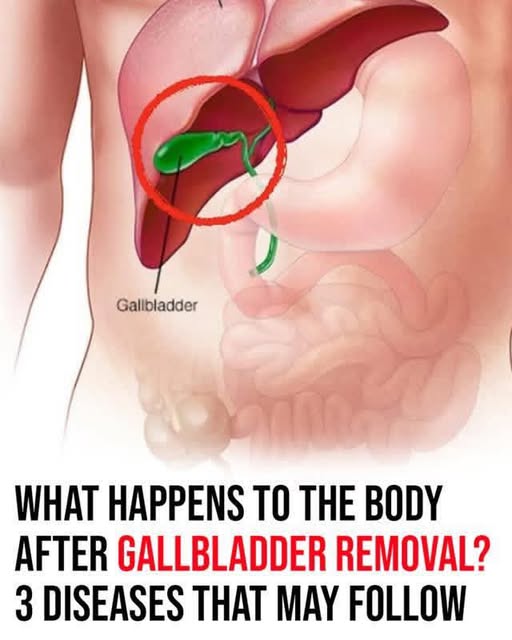
Gallbladder removal is one of the most commonly performed abdominal surgeries, especially among individuals affected by gallstones or chronic gallbladder disease. Although the procedure is widely regarded as routine and generally safe, the gallbladder plays an important role in digestion, which often leads people to wonder how the body functions once it has been removed.
Despite its small size, the gallbladder serves a specific and useful purpose. This pear-shaped organ sits beneath the liver and acts as a storage reservoir for bile, a digestive fluid produced by the liver. Bile is essential for breaking down dietary fats and helping the body absorb fat-soluble vitamins. When food is consumed, particularly meals containing fat, the gallbladder releases stored bile into the small intestine to aid digestion.
When the gallbladder is removed, bile is no longer stored and released in controlled amounts. Instead, it flows continuously from the liver into the digestive tract. While this change may sound significant, most people find that their bodies gradually adapt, allowing digestion to proceed effectively over time.
Before examining how the body adjusts after gallbladder removal, it is helpful to understand the most common medical conditions that lead to the procedure in the first place.
Common Gallbladder Conditions
The gallbladder is essential to digestion, but it is also susceptible to several medical problems that can cause pain, inflammation, and serious complications.
Gallstones
Gallstones are among the most frequent gallbladder-related issues. These hardened deposits form when substances in bile, such as cholesterol or bilirubin, crystallize. Gallstones can range in size from tiny grains to large stones comparable to golf balls. Many people with gallstones experience no symptoms, but when stones block bile ducts, they can trigger severe abdominal pain, nausea, and inflammation.
Cholecystitis
Cholecystitis occurs when a gallstone obstructs the flow of bile from the gallbladder, leading to inflammation. This condition often causes intense pain in the upper right abdomen, along with fever and tenderness. In many cases, cholecystitis requires prompt medical treatment and may lead to surgical removal of the gallbladder to prevent recurring episodes or complications.
Gallstone Pancreatitis
In some cases, a gallstone can move into the common bile duct and block the pancreatic duct. This blockage may cause inflammation of the pancreas, a condition known as gallstone pancreatitis. The condition is typically painful and often requires hospitalization, as pancreatic inflammation can become severe if not treated promptly.
Gallbladder Cancer
Gallbladder cancer is rare, but it can occur. Symptoms may include persistent pain in the upper right abdomen, though this symptom is more commonly associated with other gallbladder disorders. Because gallbladder cancer is difficult to detect early, persistent digestive symptoms or abdominal pain should always be medically evaluated.
Signs of Gallbladder Trouble
Symptoms of gallbladder disease can vary, but several warning signs frequently appear in individuals experiencing gallbladder problems. These symptoms often include pain in the upper right abdomen or upper middle abdomen, discomfort that radiates to the right shoulder or back, and pain that worsens after eating fatty foods.
Other common indicators include nausea, vomiting, fever, chills, and jaundice, which causes yellowing of the skin and the whites of the eyes. Changes in urine and stool color, such as light-brown urine or pale stools, may also signal problems with bile flow. When these symptoms persist, medical evaluation is typically recommended.
How the Body Changes After Gallbladder Removal
Once the gallbladder is removed, the liver continues to produce bile as it always has. The difference is that bile now flows directly into the small intestine rather than being stored and released in response to meals. For most people, this adjustment does not cause long-term issues.
In the weeks following surgery, some individuals experience temporary digestive changes as the body adapts to the continuous flow of bile. Fat digestion may feel different at first, particularly after consuming large or high-fat meals. Because bile is no longer released in concentrated amounts, it may be less efficient at breaking down large quantities of fat at one time.
One possible side effect is bile acid diarrhea. This occurs when excess bile irritates the intestines, leading to loose stools. Bloating, gas, and mild abdominal discomfort are also commonly reported during the early recovery period. These symptoms typically improve as the digestive system adjusts.
Over time, most people find that digestion stabilizes and discomfort becomes less frequent. The digestive tract adapts by regulating bile flow more effectively, allowing the body to process fats more efficiently.
Food Sensitivity and Digestive Adjustment
Diet often plays a central role in recovery after gallbladder removal. Immediately following surgery, the digestive system may be more sensitive, particularly to fatty or greasy foods. Meals high in fat can lead to cramping, diarrhea, or bloating, especially during the early stages of recovery.
Eating smaller meals more frequently can help reduce digestive strain. Lean proteins, whole grains, fruits, and vegetables are generally easier to digest and can help maintain balanced nutrition during recovery. Fiber intake should be increased gradually, as a sudden increase may worsen bloating or gas.
Hydration is also important, particularly for individuals experiencing diarrhea. Drinking sufficient fluids helps maintain electrolyte balance and supports overall digestive health.
Dietary Practices That Support Recovery
Although no strict long-term diet is required after gallbladder removal, certain dietary practices can support a smoother recovery and improve digestive comfort.
Lowering fat intake during the initial recovery period helps reduce digestive stress. Fried foods, heavy sauces, and greasy meals are often more difficult to tolerate in the early weeks following surgery. Gradually reintroducing fats allows the digestive system time to adapt.
Increasing fiber intake supports regular bowel movements and helps regulate digestion. Fiber-rich foods such as whole grains, legumes, fruits, and vegetables can be beneficial when added slowly.
Smaller, more frequent meals help prevent bloating and discomfort by reducing the amount of fat and food processed at one time. This approach also supports more consistent bile use throughout the day.
Staying well hydrated is especially important for individuals experiencing loose stools. Water, herbal teas, and mineral-rich broths can help replenish fluids and electrolytes.
Certain foods may worsen digestive symptoms for some people, particularly during recovery. These may include caffeine, dairy products, and sugary snacks. Limiting these items temporarily may reduce irritation and improve comfort.
Gradual Return to Normal Eating
Most healthcare providers recommend beginning recovery with a light diet that includes clear liquids and bland foods. Solid foods are typically reintroduced gradually, allowing the digestive system to adjust without excessive strain. Paying attention to portion sizes and food choices helps reduce discomfort and supports long-term digestive health.
Within a few months, most individuals can resume a normal diet with minimal restrictions. Many people report feeling better than they did before surgery, particularly if gallbladder disease had been causing chronic pain or digestive distress.
Long-Term Outlook Without a Gallbladder
Living without a gallbladder is generally not disruptive to overall health. The body is highly adaptable, and most people lead normal, active lives following surgery. While digestion may feel different initially, long-term complications are uncommon.
In rare cases, ongoing digestive symptoms may persist, but these can often be managed through dietary adjustments and medical guidance. Maintaining a balanced diet, healthy weight, and regular eating schedule supports long-term digestive comfort.
Gallbladder removal often brings relief from the pain and complications associated with gallstones and gallbladder disease. With time, patience, and mindful eating habits, the majority of individuals experience a full return to normal daily activities and improved quality of life.