
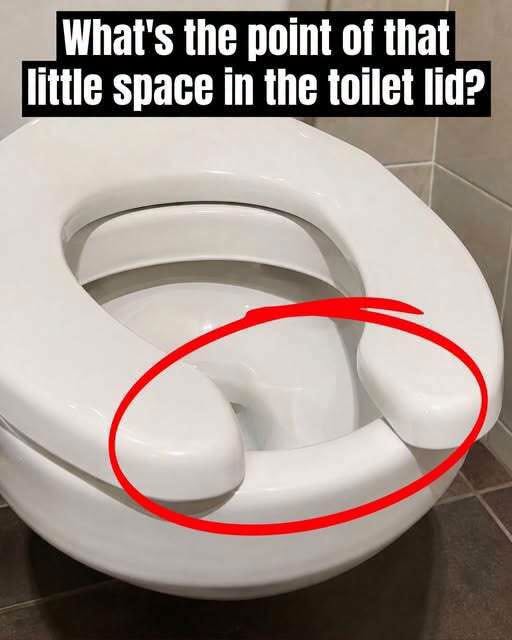
Why Public Restrooms Often Use U-Shaped Toilet Seats
The U-shaped toilet seat found in many public restrooms is a familiar feature, yet most people rarely stop to consider why it looks different from the closed-front seats commonly used in homes.
At first glance, the open section at the front may seem like a missing piece, a cost-cutting shortcut, or an unusual design choice. In reality, the shape serves several practical purposes connected to hygiene, cleaning, maintenance, durability, accessibility, and the demands of heavily used public facilities.
Public restrooms must accommodate large numbers of people throughout the day. Their fixtures need to remain functional, easy to clean, and reasonably comfortable while withstanding constant use.
The open-front toilet seat was developed with those conditions in mind. Its appearance may be simple, but the design reflects the different priorities of public and private bathrooms.
The Difference Between Public and Residential Restrooms
Bathrooms inside private homes usually serve a small and familiar group of people. The fixtures are selected largely according to comfort, appearance, personal taste, and the overall style of the room.
Public restrooms operate under very different conditions. A toilet in an airport, restaurant, shopping center, or other commercial location may be used repeatedly by many unrelated people in a short period.
That level of activity creates greater demands on cleaning staff, plumbing fixtures, and restroom surfaces. Every part of the toilet must be designed with repeated use and regular maintenance in mind.
A closed-front seat may be suitable for a household bathroom, where the number of users is limited and cleaning can be handled according to personal routines. In a public environment, however, easier sanitation and reduced contact become more important.
The U-shaped seat helps meet those needs without requiring complicated equipment or major changes to the toilet itself.
Public Health Is a Major Reason for the Design
One of the main purposes of the open-front shape is to support hygiene in shared facilities. The missing front section reduces the amount of seat surface that may come into contact with a user.
In a restroom used by many people, limiting unnecessary contact can help reduce opportunities for germs to move from one person to another.
The open-front style is recommended or required by building and plumbing standards in many locations. These standards recognize that commercial restrooms have different sanitation needs from bathrooms inside private residences.
The front portion of a traditional closed seat is positioned close to the body during use. Removing that section creates additional space and reduces the likelihood of direct contact with the seat’s front edge.
This feature does not make a restroom completely free from germs, but it contributes to a design intended to support cleaner and more practical use.
Reducing Unnecessary Contact
The opening at the front creates a physical gap between the user and the section of the seat that would otherwise extend across the bowl.
That gap is especially useful in a public setting because it minimizes contact with an area that may be touched frequently during normal use.
When fewer parts of the fixture come into contact with the body, there are fewer opportunities for dirt and microorganisms to collect or transfer.
The design is therefore not based only on appearance or manufacturing cost. It directly addresses the way public toilets are used by a large and changing group of people.
A small change in shape can make the fixture more suitable for an environment where cleanliness must be maintained despite constant traffic.
The Open Front Makes Cleaning Easier
Cleaning efficiency is another important reason U-shaped toilet seats are common in commercial restrooms.
A closed-front seat contains an additional section of material that must be wiped, inspected, and maintained. The open design removes that section and gives cleaning staff easier access to the front of the toilet bowl.
Without a continuous front edge, there are fewer tight spaces where dirt, moisture, and bacteria may collect. The simpler shape makes it easier to reach the seat’s surfaces during routine cleaning.
This can be especially valuable in locations where restrooms must be serviced several times throughout the day.
Cleaning staff in shopping centers, restaurants, airports, and other busy facilities often work under time pressure. A seat that can be cleaned quickly and thoroughly helps them maintain acceptable conditions more efficiently.
Fewer Areas for Dirt to Collect
Bathroom fixtures contain edges, joints, hinges, and narrow areas that can be difficult to clean. Any unnecessary surface may create another place where dirt or moisture can remain.
The open-front toilet seat reduces the number of surfaces around the front of the bowl. That makes inspection and sanitation more straightforward.
Instead of cleaning a complete ring, staff can wipe the two sides and the rear portion while also reaching the exposed front area of the bowl more easily.
The difference may seem minor during a single cleaning. Across dozens of toilets and repeated maintenance sessions, however, the time saved can become significant.
Simple designs are often preferable in public facilities because they make regular upkeep easier and reduce the possibility that difficult areas will be missed.
A Practical Choice for High-Traffic Locations
Public restrooms in busy areas may serve hundreds or even thousands of visitors. Their fixtures need to remain usable throughout long periods of repeated activity.
Shopping centers, transportation facilities, dining establishments, and similar locations cannot treat each toilet like a decorative household feature. Reliability and ease of service are essential.
The U-shaped seat supports these priorities by combining a straightforward structure with a design that can be cleaned and replaced without unnecessary difficulty.
Its open form is well suited to facilities where staff members must respond quickly to spills, damage, or ordinary wear.
The seat is not intended to be luxurious. It is intended to work consistently in an environment where many users have different needs and habits.
Using Less Material Can Reduce Costs
The open-front design also uses less material than a complete oval seat. This can make it less expensive to manufacture.
The savings from one seat may be relatively small, but commercial buildings often contain many restroom stalls. Reducing material costs across a large number of fixtures can lower overall expenses.
Public toilet seats may also need to be replaced more often than those in private homes. Frequent use can lead to scratching, loosening, cracking, or other forms of wear.
A seat that costs less to produce and replace can be a practical choice for property owners and facility managers.
Cost efficiency does not mean the design exists only because it is cheaper. The reduced material works together with the hygiene and maintenance benefits of the open front.
Durability Matters in Shared Facilities
Restroom fixtures in public places are exposed to constant pressure and repeated movement. A toilet seat may be raised, lowered, cleaned, and used many times in a single day.
The simpler structure of a U-shaped seat can help it withstand that level of use. With less material at the front, there is no complete ring that must absorb pressure around the entire bowl.
The design is practical for environments where fixtures experience more wear than they would in a household bathroom.
When damage does occur, the seat can generally be removed and replaced without changing the rest of the toilet.
This combination of durability and replaceability helps facilities control maintenance costs while keeping restrooms available for visitors.
The Design Can Support Accessibility
The open-front shape may also provide benefits for people with mobility limitations or those who need help while using the restroom.
The gap at the front can create additional room for movement and personal care. This may make the toilet easier to approach or use in certain caregiving situations.
For individuals who require assistance, a closed front edge may create an unnecessary barrier. The open section can provide better access and make some tasks more manageable.
Public restrooms serve people with a wide variety of physical needs. A fixture that offers greater access can make the space more practical for more users.
The design is only one part of an accessible restroom, but even small features can affect how easily a person can use the facility.
A Small Feature With Wider Benefits
Accessibility is often influenced by details that many users never notice. The height of a fixture, the amount of space around it, and the shape of the seat can all affect comfort and ease of use.
The U-shaped seat gives additional clearance at the front without making the toilet significantly larger.
This can be helpful in public stalls where space is limited and fixtures must serve many different people.
The benefit may be especially noticeable for someone who needs assistance from another person. Greater access can simplify movement and reduce unnecessary difficulty.
Although the open front was not created for only one group of users, its structure can make the restroom more adaptable.
Why Closed-Front Seats Remain Popular at Home
Most residential bathrooms use closed-front toilet seats because household priorities are different.
Homeowners often prefer the appearance of a complete oval seat. It may seem more finished, more comfortable, or better matched to the style of the bathroom.
Private bathrooms also receive less traffic than commercial restrooms. The same small group of people usually uses the facilities, making rapid cleaning and reduced contact less urgent.
Comfort can therefore take a larger role in the choice of seat. A closed front provides a continuous surface and may feel more familiar to many users.
There is nothing inherently wrong with either design. Each one is suited to a different environment and set of priorities.
Public Restrooms Must Balance Several Needs
A commercial restroom cannot be designed around appearance alone. It must balance hygiene, durability, cost, maintenance, safety, and accessibility.
The U-shaped toilet seat addresses all of these concerns in a single, uncomplicated form.
It reduces the front contact area, gives cleaning staff easier access, uses less material, and can provide additional room for users who need assistance.
Its design also makes replacement practical when a seat becomes worn or damaged.
No single feature can solve every restroom challenge, but the open-front seat provides several useful advantages without adding complexity.
The Shape Is Not a Manufacturing Error
Some people may assume that the front section is missing because the seat was damaged or produced incorrectly.
The opening is intentional. It is part of a design selected specifically for shared and heavily used facilities.
The shape has been incorporated into standards and commercial restroom planning because it supports sanitation and maintenance.
Rather than representing an incomplete version of a household seat, it is a separate type of fixture created for a different purpose.
Understanding that purpose makes the design appear less unusual. The missing front is the feature that allows the seat to provide its main benefits.
Maintenance Becomes More Efficient
Facility management often depends on small improvements that save time and reduce repeated labor.
A restroom with several stalls may need to be inspected and cleaned frequently. Any feature that makes those tasks faster can improve the condition of the entire space.
The open-front seat allows workers to reach the bowl and seat surfaces with fewer obstructions.
It also gives them a clearer view of the front area, making it easier to identify dirt or damage during an inspection.
Efficient maintenance helps keep restrooms available and reduces the amount of time stalls must remain closed for cleaning or repairs.
Hygiene Depends on the Entire Restroom
The U-shaped seat contributes to cleanliness, but it does not replace regular sanitation.
Public restrooms still require frequent cleaning of toilet seats, bowls, handles, floors, doors, sinks, and other commonly touched surfaces.
The seat’s design simply makes part of that work easier and reduces one area of potential contact.
Good restroom management depends on the combination of appropriate fixtures and consistent maintenance.
The open-front seat is useful because it supports those routines rather than making them more complicated.
A Design Shaped by Practical Use
Many everyday objects look simple because their most effective features are easy to overlook. The U-shaped toilet seat is one example.
Its open front reflects the realities of public facilities, where many people must use the same equipment safely and conveniently.
The design avoids unnecessary material while improving access to the bowl and reducing the amount of surface at the front.
It can be produced and replaced at a reasonable cost, making it suitable for buildings with multiple restrooms and large numbers of visitors.
Each of these benefits supports the same goal: creating a fixture that remains practical under demanding conditions.
Why the U-Shape Continues to Be Used
The design remains common because it provides a reliable balance of hygiene, simplicity, and efficiency.
Public facilities need toilet seats that can be cleaned quickly, endure constant use, and accommodate a broad range of users.
The open-front shape meets those needs without requiring moving parts or special maintenance procedures.
Its reduced material also supports lower manufacturing and replacement costs, while its form can improve access in situations involving mobility challenges or caregiving.
These advantages explain why the U-shape continues to appear in commercial restrooms even though closed-front seats remain more common in homes.
A Carefully Considered Restroom Feature
The U-shaped toilet seat is not a random variation or a flawed version of a traditional seat.
It is a deliberately designed fixture created to serve the specific demands of public restrooms.
The opening helps reduce unnecessary contact, simplifies cleaning, limits places where dirt can gather, and provides greater access at the front of the toilet.
Using less material can lower costs, while the straightforward structure supports durability and easy replacement.
For most visitors, the design remains almost invisible because it performs its function without drawing attention.
Behind its simple appearance is a practical response to the challenges of maintaining restrooms used by many people every day.
The next time the open-front seat appears in a public facility, it can be understood as more than an unusual shape. It is a small but carefully planned feature intended to make shared restrooms cleaner, safer, easier to maintain, and more useful for a wider range of people.