
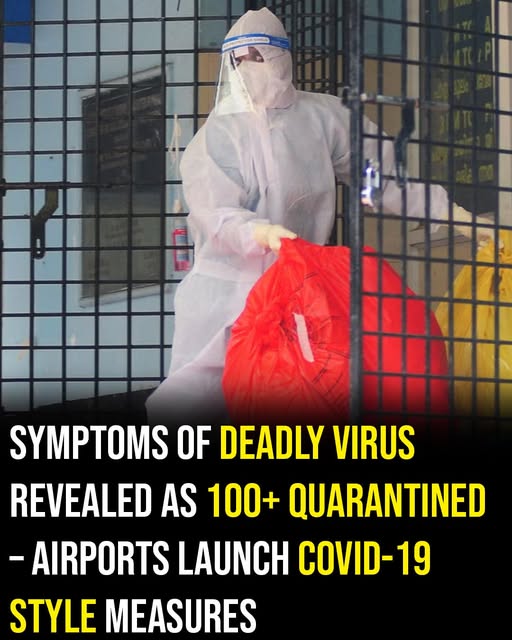
As nations continue to process the lasting impact of the COVID-19 pandemic, renewed concern is emerging within the global health community over another infectious threat. Health officials in multiple regions have moved to heightened alert status following confirmed cases of the Nipah virus, a rare but highly dangerous illness known for its severe symptoms and high fatality rate.
The renewed attention stems from recent developments in eastern India, where cases detected earlier this month prompted swift responses from local and international health authorities. The situation has revived memories of pandemic-era vigilance, particularly as preventive measures are once again being implemented in several countries.
Health authorities confirmed that five individuals in India’s West Bengal state were infected with the virus, triggering emergency containment efforts. Narayan Swaroop Nigam, principal secretary of the Health and Family Welfare Department, addressed the situation publicly, stating, “Two nurses at a private hospital are infected with Nipah virus, and one of them is in critical condition.”
The two nurses were reported to have worked together at the same private hospital between December 28 and December 30. Both later developed symptoms and were admitted to intensive care earlier this month. Medical teams immediately began tracing contacts in an effort to prevent further spread within the community and healthcare facilities.
As a precautionary step, approximately 100 individuals have been placed under quarantine due to suspected exposure. These individuals are being closely monitored for symptoms, reflecting the seriousness with which authorities are treating the situation.
Heightened Precautions Across Borders
The confirmation of cases has not remained a local concern. Neighboring countries and regional travel hubs have responded by strengthening screening and prevention protocols, particularly at international airports. Thailand, Nepal, and Taiwan have each reinstated precautionary measures reminiscent of those used during the COVID-19 pandemic.
Travelers in these locations are once again subject to temperature screenings, mask requirements, and physical distancing practices. Officials have emphasized that these steps are intended to reduce the risk of cross-border transmission and to allow for early identification of potential cases.
Public health agencies have stressed that rapid detection and isolation are critical when dealing with viruses that lack established treatments or vaccines. The reintroduction of these measures highlights the seriousness of the current situation and the lessons learned from previous global health crises.
Recognized Symptoms and Health Risks
Medical authorities have outlined a range of symptoms associated with the Nipah virus. Early signs often resemble a sudden flu-like illness and may include fever, headache, muscle pain, and extreme fatigue. These symptoms can progress rapidly, making early medical attention essential.
Respiratory complications have also been observed in some patients. These may include persistent coughing, shortness of breath, and, in severe cases, pneumonia. Such symptoms increase the risk of complications, particularly in individuals with underlying health conditions.
The most serious and life-threatening complication linked to the virus is encephalitis, a condition involving inflammation of the brain. Encephalitis can lead to a range of neurological effects, including confusion, disorientation, altered levels of consciousness, seizures, and, in extreme cases, coma. These outcomes underscore why the virus is regarded as one of the most dangerous zoonotic pathogens currently known.
The incubation period for the Nipah virus varies widely. Symptoms may appear as early as four days after exposure or may take up to 21 days to develop. In some instances, neurological complications have been reported days or even weeks after initial symptoms emerge, complicating diagnosis and monitoring.
Understanding the Nipah Virus
The Nipah virus belongs to a group of pathogens classified as zoonotic, meaning it can be transmitted from animals to humans. The virus is naturally carried by fruit bats and can also infect pigs, which can act as intermediary hosts.
Human infections can occur through direct contact with infected animals, consumption of contaminated food products, or close contact with an infected person. This range of transmission pathways increases the difficulty of containment, particularly in densely populated areas or regions with close human-animal interaction.
The virus has been responsible for sporadic outbreaks over the years, primarily in South and Southeast Asia. Each occurrence has prompted swift public health responses due to the virus’s severity and the absence of specific medical countermeasures.
Health experts have consistently highlighted the stark contrast between the Nipah virus and more widely known respiratory viruses. While coronaviruses were associated with a global mortality rate of about 3.4%, estimates have placed the Nipah virus fatality rate between 40% and 75%. This exceptionally high rate places it among the most lethal viruses known to infect humans.
Absence of Treatment and Ongoing Research
One of the most concerning aspects of the Nipah virus is the lack of approved treatments or vaccines. Currently, no drugs exist that can cure the infection in humans or animals. Medical care focuses primarily on supportive treatment, managing symptoms, and addressing complications as they arise.
Researchers around the world continue to study the virus in hopes of developing effective vaccines and antiviral therapies. Until such advancements are achieved, prevention remains the most critical defense against outbreaks.
Public health officials have emphasized the importance of infection control measures in healthcare settings, particularly when dealing with suspected cases. Protective equipment, isolation protocols, and strict hygiene practices are considered essential to reducing the risk of transmission.
Global Vigilance in a Post-Pandemic World
The emergence of new Nipah virus cases has reinforced the reality that global health threats did not end with COVID-19. While many countries have relaxed pandemic-era restrictions, the current situation demonstrates how quickly circumstances can change when a high-risk pathogen is identified.
Health agencies worldwide are closely monitoring developments and sharing information to ensure coordinated responses. Surveillance systems established during the COVID-19 pandemic are now being utilized to track potential cases and assess risks.
Public awareness has also become a key component of disease prevention. Authorities have urged individuals to seek medical attention promptly if they experience symptoms consistent with viral infection, particularly if they have traveled to affected areas or had contact with confirmed cases.
Looking Ahead
While the number of confirmed cases remains limited, the characteristics of the Nipah virus have prompted swift and serious action. Its high fatality rate, wide incubation window, and lack of treatment options make even small outbreaks a cause for significant concern.
Health officials continue to emphasize preparedness, transparency, and early intervention as the most effective tools available. As investigations and monitoring continue, the global community remains alert, drawing on recent experience to respond decisively to emerging threats.
The situation serves as a reminder that vigilance in public health is an ongoing responsibility. In a world still shaped by the lessons of a recent pandemic, the response to the Nipah virus reflects a renewed commitment to early action, prevention, and international cooperation.