

Ice-T’s Journey From Early Hardship to Hip-Hop Pioneer and Television Icon
Early Life Shaped by Loss and Instability
Tracy Lauren Marrow, known professionally as Ice-T, became one of the most influential figures in hip-hop culture and American television, but his path began with hardship and loss.
He was born in Newark, New Jersey, where the early years of his life were marked by instability, family changes, and difficult circumstances. Those experiences would later influence the way he viewed the world and the way he expressed himself through music and performance.
The death of his parents at a young age forced him to grow up without steady parental guidance. That loss placed him in situations where he had to adapt quickly and learn how to survive emotionally and socially while still very young.
Rather than growing up in one fixed home environment, Ice-T moved between relatives and households. Those transitions exposed him to different family structures, different neighborhoods, and different realities of life.
Some of those environments offered support and stability, while others introduced him to the pressures and difficulties faced by young people growing up in challenging urban conditions.

Growing Awareness of Social Realities
As a child and teenager, Ice-T became aware of issues that would later appear in his creative work.
His experiences showed him the effects of social inequality, racial tension, economic hardship, and limited opportunity. These were not abstract ideas for him, but realities he observed in the places where he lived and the communities around him.
Moving through different environments gave him an early understanding of how people’s circumstances could shape their choices. It also helped him recognize the contrast between supportive settings and areas where instability was part of daily life.
That awareness became important later in his career. His music would often deal with urban life, survival, social pressure, and the realities faced by people living in difficult conditions.
Before he became known as a recording artist or actor, those experiences were already forming the foundation of his worldview. They shaped his sense of observation and gave him material that would later become part of his storytelling.
A Move to Los Angeles
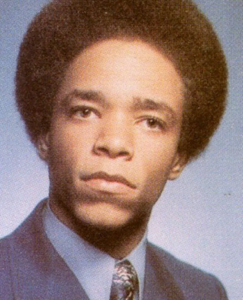
During his teenage years, Ice-T relocated to Los Angeles, California, where he spent a key part of his formative life.
South Central Los Angeles exposed him to an environment shaped by economic struggle, cultural change, and the growing influence of street life. For many young people in that area, daily life included risks connected to crime, limited education access, and social instability.
Ice-T has described this period as one that brought both danger and possibility. The city placed him near difficult influences, but it also exposed him to creativity, music, and new forms of self-expression.
The environment demanded awareness and resilience. He had to learn how to understand people, situations, and consequences while navigating a world that could be unpredictable.
These years helped deepen the themes that would later define his music. His lyrics would not come from distant observation, but from lived experience and close contact with the realities he described.

Fatherhood and the Search for Stability
Becoming a father at a young age brought Ice-T new responsibilities.
That change forced him to think more seriously about stability, income, and direction. He could no longer view his future only through the lens of personal survival, because another life now depended on him.
Fatherhood helped shift his perspective. It pushed him to consider choices that might offer discipline, structure, and financial security.
As a result, he began looking toward the military as a possible path forward. The decision reflected a desire to move into a more organized environment after years shaped by uncertainty and pressure.
He eventually enlisted in the United States Army and served in the 25th Infantry Division.

Military Service and Personal Discipline
Military life introduced Ice-T to a structure very different from the one he had known during childhood and adolescence.
His time in the Army exposed him to discipline, leadership, responsibility, and new expectations. It required him to operate within a system that demanded order and accountability.
For someone who had grown up amid personal loss and unstable surroundings, that environment provided a different type of training. It gave him practical experience and helped strengthen his sense of direction.
Like many young soldiers adjusting to service, he also faced challenges during this period. Military life required adaptation, patience, and maturity.
After completing his time in the Army, Ice-T returned to civilian life with a clearer sense of ambition. His experiences had given him more structure, and that structure would later support his movement into music and entertainment.
The Beginning of a Musical Path
After leaving the military, Ice-T became increasingly drawn to music.
He developed a strong interest in DJing and began collecting records, studying sounds, and learning how music could be used to create identity and communicate experience.
This was a critical stage in his development. Hip-hop was still growing and had not yet reached the level of national recognition it would later achieve.
Ice-T immersed himself in the culture at a time when the genre was still forming new styles, voices, and regional identities. He began building his own approach, shaped by rhythm, storytelling, and direct commentary on the world he knew.
Rather than simply copying existing styles, he worked to develop a voice that reflected his personal history and the realities of life around him.
Entering the Hip-Hop Scene
By the early 1980s, Ice-T had started performing and recording music professionally.
His style quickly became distinctive. He combined sharp storytelling with observations about urban life, social pressure, crime, survival, and personal experience.
At a time when West Coast rap was still emerging, his voice helped shape its identity. He brought a hard-edged narrative style that reflected the streets and systems he had seen firsthand.
His music stood apart because it did not avoid uncomfortable subjects. Instead, it addressed them directly, using rap as a form of testimony and social commentary.
This approach helped establish him as a major figure in the development of West Coast hip-hop. It also set the stage for the national impact of his early recordings.
The Importance of Rhyme Pays
In 1987, Ice-T released his debut album
Rhyme Pays
, a project that became historically significant in hip-hop.
The album helped bring his voice to a wider audience and confirmed his role as a serious figure in rap music. It also became notable as one of the first rap albums to carry a parental advisory label.
That detail reflected the controversy and attention surrounding his lyrical content. Ice-T’s work dealt with subjects that were raw, direct, and rooted in difficult social realities.
For some listeners, that honesty made the music powerful. For others, it made his work controversial.
Either way, the album helped push hip-hop further into public conversation. It showed that rap could be both entertainment and a vehicle for challenging stories about life in America’s cities.
A Pioneer of Gangsta Rap
As his career advanced, Ice-T became widely recognized as one of the pioneers of gangsta rap.
The subgenre focused on blunt portrayals of street life, urban struggle, law enforcement, violence, survival, and systemic pressure. Ice-T’s lyrics often explored the complexity of these environments rather than presenting them in simple terms.
His work reflected the realities of people navigating difficult choices and dangerous surroundings. It also addressed the larger systems that shaped those conditions.
The directness of his music brought both praise and controversy. His storytelling did not soften the world he described, and that honesty became part of his artistic identity.
Over time, his influence became clear. He helped define a style of rap that would shape later artists and expand the boundaries of what hip-hop could address.
Moving Into Acting
Ice-T did not limit himself to music.
As his profile grew, he began moving into acting, taking roles in films during the 1980s. His presence on screen came naturally, helped by the confidence and directness that had already defined his music career.
His transition into acting allowed him to reach new audiences and show another side of his talent. He was able to bring intensity, credibility, and presence to visual storytelling.
The move was significant because many artists struggle to build strong careers in more than one area of entertainment. Ice-T began proving that he could do both.
His early film work helped prepare him for the role that would become a major turning point in his acting career.
Breakthrough With New Jack City
Ice-T’s acting breakthrough came with his performance in
New Jack City
in 1991.
In the film, he played a police detective, a role that helped establish him as a credible actor. The part was especially notable because it placed him in a law enforcement role after he had become known for music that often explored street life and social conflict.
His performance showed range and helped audiences see him beyond his identity as a rapper. It demonstrated that he could carry dramatic material and operate effectively within a major film production.
The success of that role opened the door to more opportunities in television and film. It also marked the beginning of a long-running second career that would become just as important as his music.
Building a Dual Career
Throughout the 1990s, Ice-T continued expanding his work as an actor.
He appeared in films and television projects that allowed him to show versatility. Among those projects was
Surviving the Game
, which added to his growing list of screen credits.
His ability to move between music and acting made him stand out in the entertainment world. He was not simply a musician taking occasional roles, nor an actor leaving music behind.
Instead, he built two connected but distinct careers. His music gave him cultural authority, while acting gave him a broader platform and long-term visibility.
That dual success helped make him one of the rare entertainers to gain respect across multiple fields.
Joining Law & Order: Special Victims Unit
In 2000, Ice-T joined the cast of
Law & Order: Special Victims Unit
.
He took on the role of Detective Odafin “Fin” Tutuola, a character who would become one of the most recognizable figures in American television.
The role gave Ice-T a new level of mainstream visibility. Viewers who may not have followed his music came to know him through the long-running television series.
His performance brought authority, intelligence, dry humor, and emotional control to the character. Over time, Fin Tutuola became an essential part of the show’s identity.
Ice-T’s longevity on the series also became a major achievement. His work made him one of the longest-serving actors associated with the show.
A Lasting Television Presence
Ice-T’s role on
Law & Order: Special Victims Unit
confirmed his ability to remain relevant across generations.
Many performers achieve success in one era, but Ice-T managed to build a career that continued evolving over decades. His television work introduced him to viewers who may have had little connection to the early history of hip-hop.
The role of Fin Tutuola also showed the durability of his screen presence. He became familiar to audiences not through one brief appearance, but through years of consistent performance.
This long television run added a new layer to his public image. He was no longer known only as a hip-hop pioneer, but also as a dependable and respected actor in a major American series.
The transition from music controversy to television longevity became one of the most striking parts of his career.
Personal Life and Family
Outside of his professional work, Ice-T has maintained a long-term relationship with model and television personality Coco Austin.
The couple married in the early 2000s and later expanded their family. Their relationship became another visible part of Ice-T’s public life.
Fatherhood later in life gave him a renewed sense of purpose and balance. He has spoken about this stage as more stable and reflective than the earlier years that shaped him.
That contrast is important to his larger story. Ice-T’s life has included early loss, young fatherhood, military service, music controversy, acting success, and later family stability.
His personal journey reflects change over time. It shows how someone shaped by instability can eventually build a more grounded life.
Discipline, Health, and Personal Interests
As he has grown older, Ice-T has also become associated with a more disciplined lifestyle.
He has avoided excessive substance use and has focused on health, fitness, and personal balance. This approach connects to the discipline he developed through experience, responsibility, and years in demanding professional fields.
He has also expressed interest in martial arts and combat sports, including boxing and mixed martial arts.
Those interests fit with his broader image as someone who values toughness, training, and preparation. They also reflect a continued interest in physical discipline and self-control.
For Ice-T, personal discipline has been part of both survival and success. It has helped him remain active in entertainment while maintaining a career across multiple decades.
A Career Built on Adaptation
Ice-T’s career is a story of adaptation.
He moved from a difficult childhood to military service, from street-influenced experience to hip-hop storytelling, and from music into a long-running acting career.
Each phase required him to learn, adjust, and expand his identity. He did not remain fixed in one role or one era.
His ability to change without losing his core voice became one of his strengths. Whether performing as a rapper, acting in film, or playing a television detective, he carried a sense of authenticity that audiences recognized.
That authenticity came from lived experience. His early hardships, social awareness, and personal discipline all shaped the way he presented himself creatively.
Influence on Hip-Hop Culture
Ice-T’s contribution to hip-hop remains significant.
He helped bring West Coast rap into wider recognition and played a central role in the development of gangsta rap. His work showed that hip-hop could address street life, inequality, danger, and survival with direct language and narrative force.
His influence extended beyond his own recordings. Later artists benefited from the space he helped create for raw storytelling and social commentary.
He also helped demonstrate that rap artists could become cultural figures with influence outside music. His move into acting expanded the possibilities for hip-hop performers in film and television.
For that reason, his legacy in music is tied not only to albums and songs, but also to the broader cultural movement he helped shape.
Impact on Television and Entertainment
Ice-T’s television success added another major dimension to his legacy.
His work on
Law & Order: Special Victims Unit
made him a familiar presence in homes across the country. The role of Detective Odafin “Fin” Tutuola became one of the defining parts of his later career.
His ability to remain on a major series for many years demonstrated professionalism, consistency, and audience appeal.
That success also changed how some people viewed him. For audiences who first encountered him as an actor, Ice-T became associated with law enforcement drama rather than only with music controversy.
This combination of careers made him unusual in American entertainment. He became both a foundational rap figure and a long-standing television actor.
A Legacy of Resilience and Transformation
Today, Ice-T is widely regarded as a cultural figure whose life reflects resilience, transformation, and adaptation.
His journey began in Newark, continued through the challenges of Los Angeles, and expanded through military service, music, film, television, and family life.
Each stage added something to his identity. His childhood gave him perspective, his military experience gave him structure, his music gave him a voice, and acting gave him a lasting mainstream platform.
His story demonstrates how personal history can shape creative identity. The hardship he experienced did not disappear, but it became part of the foundation for his art.
Through hip-hop, he turned observation into storytelling. Through acting, he turned presence and discipline into a long-running career.
The Continuing Relevance of Tracy Lauren Marrow
Tracy Lauren Marrow’s legacy continues to matter in both hip-hop and television.
As Ice-T, he helped shape the language and direction of rap music while also building one of the most recognizable acting careers among musicians who crossed into television.
His influence reaches multiple generations. Older audiences remember his role in the growth of West Coast rap and gangsta rap, while many others know him through his work on
Law & Order: Special Victims Unit
.
That broad recognition shows the unusual range of his career. Few entertainers have moved so effectively from early music innovation to long-term television success.
His life remains an example of how hardship, discipline, creativity, and persistence can combine to produce lasting cultural impact.
From Newark to Los Angeles, from the Army to the recording studio, and from film roles to one of television’s most familiar detective characters, Ice-T’s journey continues to stand as a powerful story of survival and reinvention.