

Jameka Mauldin’s Journey From Misdiagnosis to Recovery and Advocacy
Early Signs of a Condition That Went Unrecognized
For years, Jameka Mauldin experienced physical changes that slowly altered her daily life. What began as mild swelling in her legs gradually developed into a condition that became increasingly difficult to ignore.
At first, the symptoms appeared inconsistent. Her legs would feel heavier than usual, and the swelling would come and go without a clear pattern. These early changes did not immediately suggest a serious issue, making it easy to dismiss them as temporary or manageable.
Over time, however, the situation evolved. The swelling became more persistent, the discomfort intensified, and the physical impact on her mobility became more noticeable. What once seemed minor began to interfere with routine activities.

Challenges With Early Medical Advice
When she sought medical guidance, the recommendations she received focused primarily on general weight management. She was advised to make adjustments to her diet and increase her level of physical activity.
While such guidance can be beneficial in many cases, it did not address the underlying issue affecting her body. Despite following advice, her symptoms continued to worsen, creating frustration and confusion.
As her condition progressed, it became increasingly clear that her experience did not align with typical weight-related changes. The swelling was accompanied by sensations that felt unusual and difficult to explain.
She described the affected areas as dense and sensitive, with a level of discomfort that extended beyond what she had previously experienced. Movement became more difficult, and the pressure in her legs increased over time.
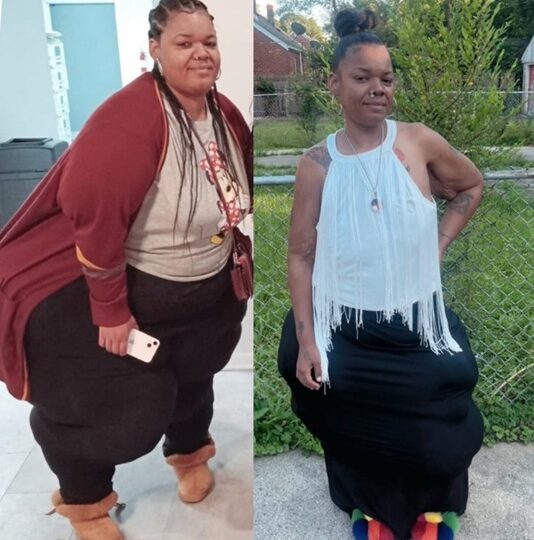
Loss of Mobility and Independence
Eventually, the condition reached a stage where it significantly limited her independence. Everyday actions such as standing, walking, or getting out of bed required considerable effort.
These physical limitations had a deep emotional impact. Tasks that had once been simple became overwhelming, and she found herself needing assistance in situations where she had previously been self-sufficient.
This transition was especially challenging given her professional background. Before her health declined, she had worked as a nursing assistant, providing care and support to others.
The shift from caregiver to patient required a major adjustment, both mentally and emotionally. It meant redefining her role and coping with a new reality shaped by physical limitations.
Health Risks and Increasing Complexity
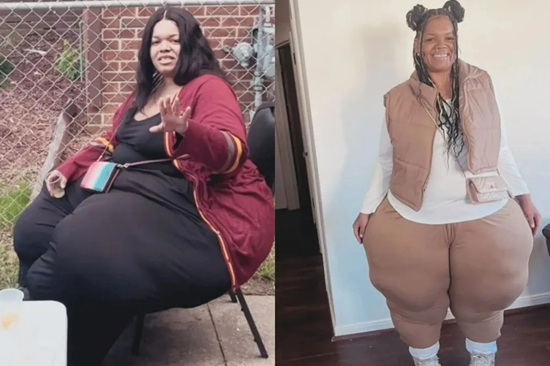
As the swelling intensified, additional health concerns began to emerge. Reduced mobility and changes in circulation created potential risks, including infections and decreased physical resilience.
At her highest recorded weight, she reached approximately 51 stone. While this figure reflected the severity of her condition, it did not fully capture the underlying medical complexity.
Throughout this period, she continued searching for answers. She believed that her condition was not solely related to lifestyle factors and that a deeper medical explanation existed.
A Turning Point Through Diagnosis
In 2019, she finally received a detailed medical evaluation that provided clarity. She was diagnosed with lymphedema and lipedema, two conditions that explained the symptoms she had been experiencing for years.
This diagnosis marked a significant turning point. After a long period of uncertainty, she now had a clear understanding of what was affecting her body.
Lymphedema is a condition involving the lymphatic system, where fluid is not properly drained and accumulates in tissues. This leads to swelling, discomfort, and an increased risk of infections.
Lipedema is a disorder that primarily affects women and involves abnormal fat distribution, usually in the lower body. It is often symmetrical and can be painful, particularly when pressure is applied.
Unlike typical weight gain, the fat associated with lipedema does not respond in the same way to diet and exercise. This distinction helped explain why previous efforts had not produced expected results.
Emotional Impact of Finally Understanding
Receiving a diagnosis brought a mix of emotions. While the conditions themselves presented ongoing challenges, there was also a sense of relief in finally having her experience validated.
For years, she had felt that something more complex was happening. The confirmation of specific medical conditions provided a clearer path forward and replaced uncertainty with understanding.
This moment marked the beginning of a new phase in her journey, one focused on targeted treatment and informed care rather than generalized advice.
Treatment and Medical Intervention
With a proper diagnosis, she began exploring treatment options tailored to her condition. Managing lymphedema often involves specialized care, including manual lymphatic drainage, compression garments, and careful monitoring.
These treatments aim to reduce swelling, improve circulation, and prevent complications. They require consistency and professional guidance to be effective over time.
In addition to therapy, she underwent multiple surgical procedures designed to remove affected tissue and reduce the physical burden caused by prolonged swelling.
These interventions were a significant step in addressing the condition, but they also required a demanding recovery process that tested both physical and emotional resilience.
The Difficult Road to Recovery
Recovery was not immediate or easy. It involved extended periods of healing, discomfort, and adjustment to changes in her body. Each stage required patience and determination.
At one point during her recovery, she spent time in a care facility where she received additional support while rebuilding strength and mobility.
This period was one of the most challenging phases of her journey. However, it also became a moment of reflection that shaped her approach to recovery moving forward.
Instead of focusing on the entire journey at once, she began setting small, achievable goals. Each day became an opportunity to make incremental progress.
Gradual Progress and Physical Transformation
Over time, these small efforts began to produce meaningful results. Improvements in mobility and strength became noticeable, even if they occurred gradually.
Through a combination of medical treatment, therapy, and consistent effort, she reported losing more than half of her body weight. This transformation was the result of sustained commitment rather than a single solution.
As her physical condition improved, she regained independence. Tasks that had once seemed impossible became manageable again, restoring a sense of control over her daily life.
Walking without assistance and completing routine activities independently marked significant milestones in her recovery.
Returning to Work and Renewed Purpose
One of the most meaningful achievements in her journey was returning to work in healthcare. She resumed her role as a certified nursing assistant, once again providing care to others.
This transition held deep emotional significance. It represented not only physical recovery but also a return to a sense of purpose and identity that had been disrupted by her condition.
Moving from patient back to caregiver reflected both resilience and determination. It highlighted her ability to rebuild her life despite significant challenges.
The Importance of Support and Mental Strength
Throughout her journey, support from family played a crucial role. Her daughter provided encouragement during difficult moments, helping her stay focused on long-term goals.
This support system contributed to both emotional stability and motivation, reinforcing the importance of connection during periods of recovery.
She has also spoken about the psychological impact of living with chronic conditions. Issues related to self-image, confidence, and emotional well-being were part of her experience.
Learning to practice self-acceptance and recognize progress became an essential part of her healing process. These internal changes were as important as physical improvements.
Raising Awareness and Sharing Her Story
Today, she uses her experience to raise awareness about lymphedema and lipedema. Her goal is to help others understand that these conditions are medical in nature and require proper diagnosis and treatment.
She emphasizes the importance of early evaluation for individuals experiencing persistent swelling or unusual symptoms. Recognizing these signs can lead to more effective care and improved outcomes.
Her advocacy also focuses on addressing misconceptions. Many people with these conditions are misunderstood, often facing assumptions that do not reflect the reality of their medical situation.
Through public engagement and social media, she shares her journey to educate and support others facing similar challenges.
A Story of Persistence and Understanding
Her experience illustrates the importance of looking beyond surface-level explanations when dealing with complex health issues. Accurate diagnosis can significantly impact both treatment options and quality of life.
It also highlights the value of listening to one’s body and continuing to seek answers when something does not feel right. Persistence played a key role in her eventual diagnosis and recovery.
While the conditions she lives with require ongoing management, her progress demonstrates what is possible with the right combination of care, support, and determination.
Her journey is not defined solely by transformation, but by awareness, education, and resilience. It reflects both the challenges and the potential for improvement that exist within long-term health struggles.
Continuing Forward With Purpose
Today, she continues to focus on her health while helping others better understand similar conditions. Her story serves as encouragement for those who may feel overlooked or discouraged.
Her message remains clear: progress is achievable, and understanding the root cause of a condition can lead to meaningful change.
Through persistence, proper medical care, and support, she has reshaped her life and created a path forward that combines personal recovery with public advocacy.
Her journey stands as a powerful example of how determination and accurate diagnosis can transform even the most challenging circumstances into opportunities for growth and awareness.