
Abandoned Baby Macaque Named Punch Captures Global Attention as Experts Explain His Behavior
A Baby Monkey’s Story That Touched Millions
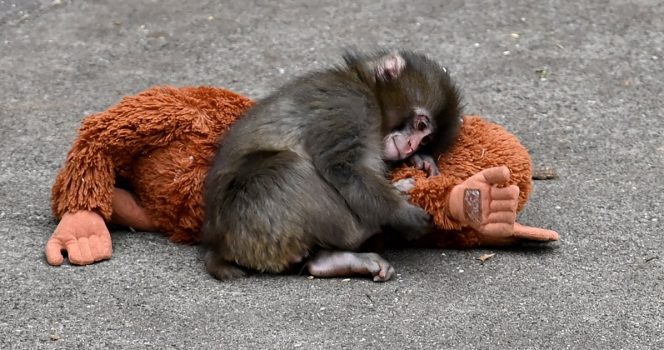
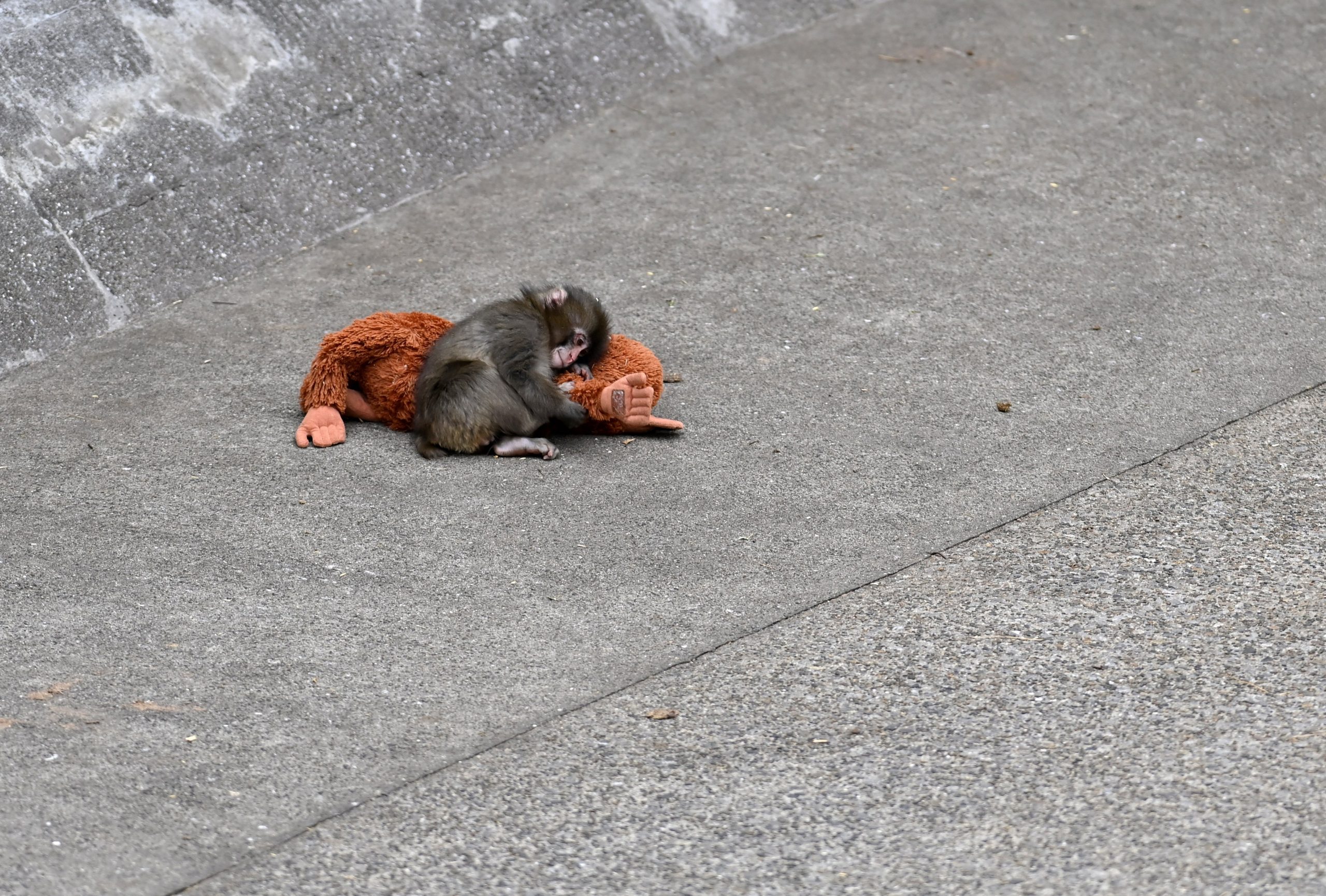
A young macaque named Punch has captured the attention of people around the world after videos showing him clinging to a stuffed toy spread widely across the internet. The touching scenes show the infant monkey cuddling the plush object for comfort inside his enclosure, a sight that quickly resonated with viewers.
Punch, now seven months old, lives at Ichikawa City Zoo located east of Tokyo. The young Japanese macaque became widely known after footage showed him carrying and hugging a stuffed animal nearly as large as his small body.
Zoo staff later explained the reason for the unusual behavior. Punch had been rejected by his mother shortly after birth in July, leaving him without the maternal care that infant macaques normally depend on.
Without that bond, the baby monkey began clinging to the stuffed toy placed in his enclosure by zookeepers. The object now serves as a form of comfort for the young animal.
The emotional story quickly spread across social media platforms and news outlets. Visitors began traveling to the zoo specifically to see Punch, while clips of the baby macaque gathered millions of views online.
The popularity of his story even reached television audiences, eventually inspiring a parody segment on the comedy program Saturday Night Live.
Life at the Zoo After Maternal Rejection
Punch’s early life began under difficult circumstances. According to the zoo, his mother rejected him shortly after he was born in July.
Zookeepers explained that the mother was experiencing her first pregnancy, a situation that can sometimes increase the likelihood of difficulties in caring for a newborn.
The birth also occurred during an intense heatwave, which added another layer of environmental stress.
Without maternal care, Punch had to rely on the zoo staff for support during the earliest stage of his life. Caretakers provided soft items in the enclosure to offer some comfort.
Among the objects given to him were towels and several soft toys. Over time, Punch consistently chose a plush orangutan, which he now treats as a source of security.
The baby macaque often sleeps while hugging the toy. When startled or distressed, he runs back to it and clings tightly, much like an infant monkey would normally cling to its mother.
Why Some Mothers Reject Their Offspring
Experts studying primate development say maternal rejection can happen for several reasons.
Environmental stress is one possible factor. When animals experience extreme conditions, such as unusually high temperatures, it can affect the resources and energy available for caring for offspring.
First-time motherhood can also play a role. Caring for a newborn requires experience, and in primates much of maternal behavior is learned through observation.
Young females often learn parenting skills by watching other mothers within their group.
Without these opportunities, inexperienced mothers may struggle with the responsibilities of raising an infant.
Rejection also occurs more frequently among animals living in captivity, where social structures and environmental conditions can differ from those in the wild.
Social Hierarchies Among Japanese Macaques
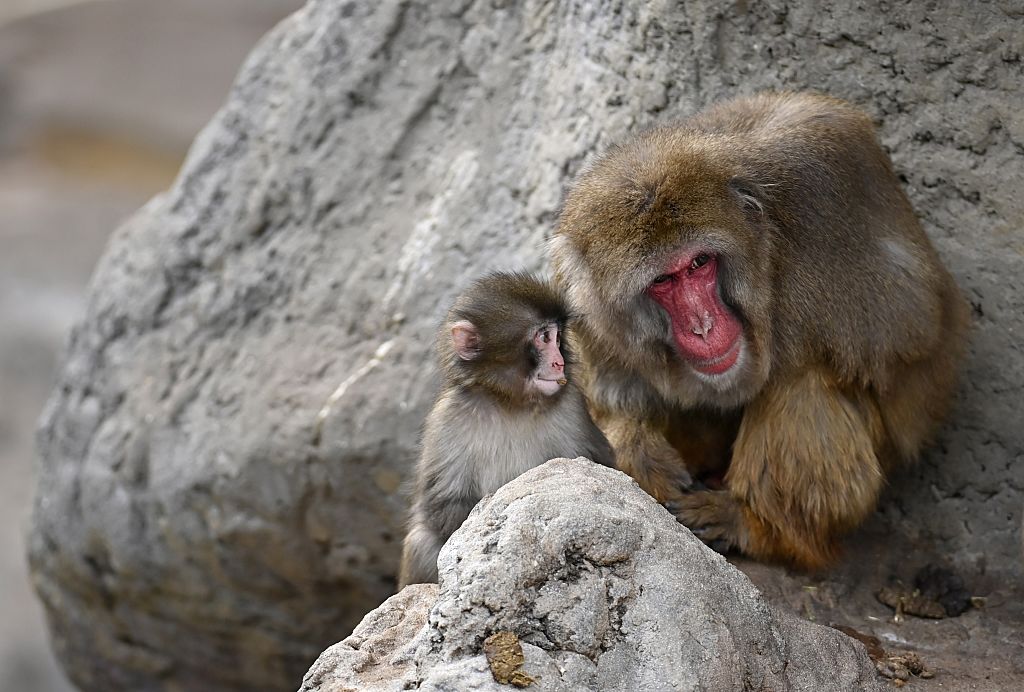
Japanese macaques live in structured social groups organized around strict matrilineal hierarchies.
Within these groups, family lines determine rank. Higher-ranking females and their offspring hold dominant positions, while lower-ranking individuals occupy more vulnerable roles.
Punch’s mother may have held a lower social rank within the group, which could have influenced the situation surrounding the rejection.
In macaque societies, social status plays a significant role in shaping interactions between individuals.
These hierarchical structures affect everything from access to resources to the behavior of other monkeys within the group.
Why Punch Chose a Stuffed Toy
Infant macaques instinctively cling to their mother’s body soon after birth. This physical contact provides warmth, protection, and a sense of safety.
The behavior also helps young monkeys develop muscle strength as they hold onto their mothers during movement.
When Punch was left without maternal contact, the stuffed toy became the closest substitute available.
The soft texture of the plush object appears to mimic the physical sensation of holding onto another primate.
The toy’s appearance may also have influenced Punch’s choice. Its primate-like shape could make it more appealing than other soft items.
Although the stuffed toy cannot replace maternal care, it offers a form of emotional comfort that helps reduce stress.
Scientific Insights Into Infant Monkey Behavior
Research on infant monkeys has long shown that young primates often seek comfort from soft objects when separated from their mothers.
Classic experiments conducted in the 1950s demonstrated that infant monkeys preferred soft cloth figures over rigid wire substitutes when given a choice.
The findings suggested that the sensation of softness and warmth provides emotional reassurance.
Punch’s behavior reflects similar instincts. By clinging to the stuffed toy, he is responding to the natural drive for security and contact.
This coping mechanism helps him manage stress in the absence of maternal care.
Concerns Over Aggressive Interactions
Some videos circulating online show Punch being chased or pulled by other macaques in the enclosure.
These moments have raised concern among viewers who worry that the young monkey is being bullied by others in the group.
However, specialists in primate behavior say these interactions are typical within macaque societies.
Aggressive behavior often occurs between individuals of different social ranks. Higher-ranking females and their offspring may display dominance over those in lower positions.
These displays help maintain the hierarchy within the group.
https://x.com/deepu_drops/status/2024499222654132393?ref_src=twsrc%5Etfw%7Ctwcamp%5Etweetembed%7Ctwterm%5E2024499222654132393%7Ctwgr%5Eca95ed9390fe1bae28ca5ed24fd19c730c3e380f%7Ctwcon%5Es1_c10&ref_url=https%3A%2F%2Fen.newsner.com%2Fnews%2Fexpert-explains-why-punchs-mom-abandoned-him-and-why-other-monkeys-bully-him%2F
While the scenes may appear harsh, such behavior is part of the normal structure of macaque communities.
The Challenges of Growing Up Without Maternal Protection
In natural macaque groups, a mother provides protection and support for her offspring.
Without that protective presence, Punch may face greater challenges during social interactions.
Other monkeys may test his position within the hierarchy through displays of dominance.
At the same time, macaque societies can show a range of responses toward vulnerable individuals.
Some members may behave aggressively, while others may offer nurturing or protective actions.
This variation in behavior reflects the complex social dynamics that exist within primate groups.
Why Punch Grooms His Toy
In several videos, Punch can be seen carefully grooming the stuffed toy he carries around.
Grooming is a fundamental behavior among macaques. It serves both practical and social purposes.
Through grooming, monkeys remove debris or parasites from each other’s fur. At the same time, the activity strengthens relationships between individuals.
These grooming sessions reduce stress and reinforce bonds within the group.
When Punch grooms his toy, he is displaying normal social behavior that would typically occur between two monkeys.
However, the toy cannot respond or groom him in return, which limits the social benefits the behavior would normally provide.
Learning Social Skills Through Observation
Punch’s grooming behavior may also reflect what he observes among the other monkeys around him.
Young primates learn many social behaviors by watching members of their group.
By copying these actions, they gradually develop the skills needed to interact successfully with others.
Even though the stuffed toy cannot reciprocate the behavior, practicing these actions may still help Punch learn important social cues.
Prospects for Integration Into the Group
Zookeepers say Punch has shown signs of resilience despite the challenges he has faced early in life.
One of his caretakers described him as mentally strong and noted that he recovers quickly after confrontations with other monkeys.
This resilience may help him adjust as he grows older and becomes more integrated into the group.
There is also the possibility that another monkey within the enclosure could eventually take on a nurturing role.
In some primate groups, individuals adopt or care for younger members who lack maternal support.
If that occurs, it could improve Punch’s social development and strengthen his position within the group.
Broader Issues Highlighted by Punch’s Story
Punch’s story has sparked discussion about several broader topics related to wildlife and animal welfare.
His experience highlights the challenges animals can face in captivity and the importance of understanding social behavior in complex species.
The story also touches on environmental pressures, including the effects of extreme weather conditions.
Heatwaves and other environmental stresses can influence animal behavior and reproductive outcomes.
Beyond the zoo setting, Japanese macaques face additional pressures in the wild, including habitat loss and conflicts with agriculture.
The Power and Risks of Viral Animal Stories
Punch’s popularity demonstrates how quickly animal stories can spread through social media and digital platforms.
Millions of viewers have followed his journey, forming emotional connections with the young macaque.
However, experts caution that viral attention can sometimes have unintended consequences.
One concern is that the popularity of cute baby animals may encourage illegal wildlife trade.
Some people may wrongly believe that monkeys could make suitable pets.
In reality, primates are highly social animals that require complex environments and the companionship of their own species.
Growing Up and Moving Forward
Punch will not remain a baby forever. Japanese macaques grow quickly and typically reach adulthood within a few years.
As he matures, his interactions with other monkeys will continue to shape his place within the group.
The stuffed toy that once served as his primary comfort may eventually become less important as he forms real social bonds.
For now, the plush companion remains a symbol of resilience during a difficult start to life.
Punch’s journey continues to draw attention from people around the world.
His story combines elements of hardship, adaptation, and the powerful instinct for connection that exists across many species.
Even after a challenging beginning, the young macaque continues to navigate his world with determination — one small step at a time.