
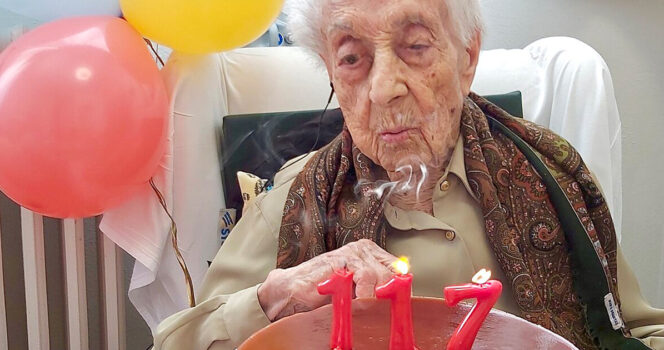
Study of 117-Year-Old Woman’s DNA Offers New Insight Into Longevity
A Life That Spanned Generations
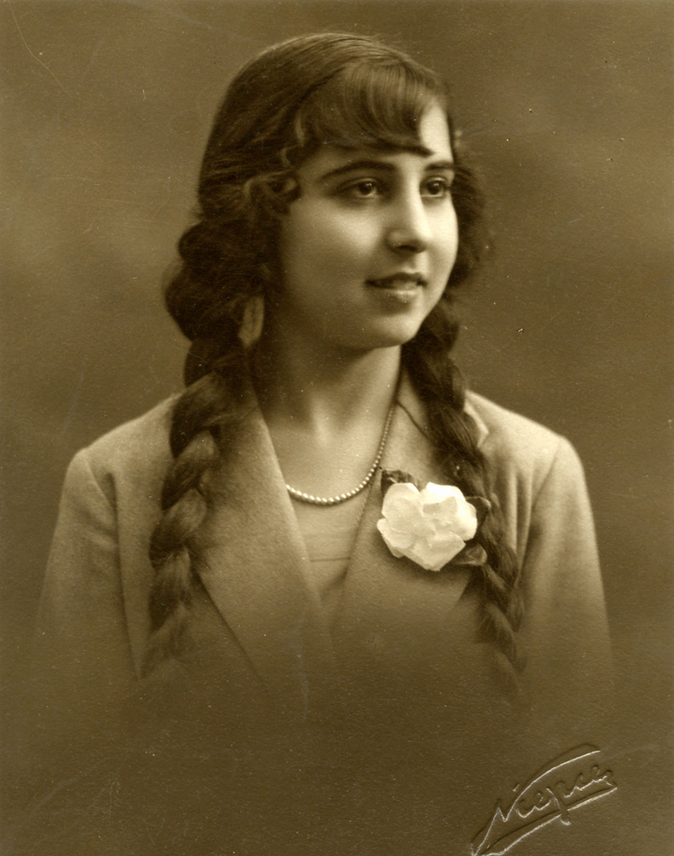
Maria Branyas Morera, an American-Spanish supercentenarian, lived an extraordinary life that stretched across more than a century. Born on March 4, 1907, in the United States, she experienced historical events that shaped the modern world, including two world wars and the leadership of 21 U.S. presidents.
Her life journey began in San Francisco, but in 1915 she moved with her family to Spain, where she would spend the rest of her years in Catalonia. Despite early hardship, including the loss of her father to pulmonary tuberculosis during their journey, she went on to live a long and full life.
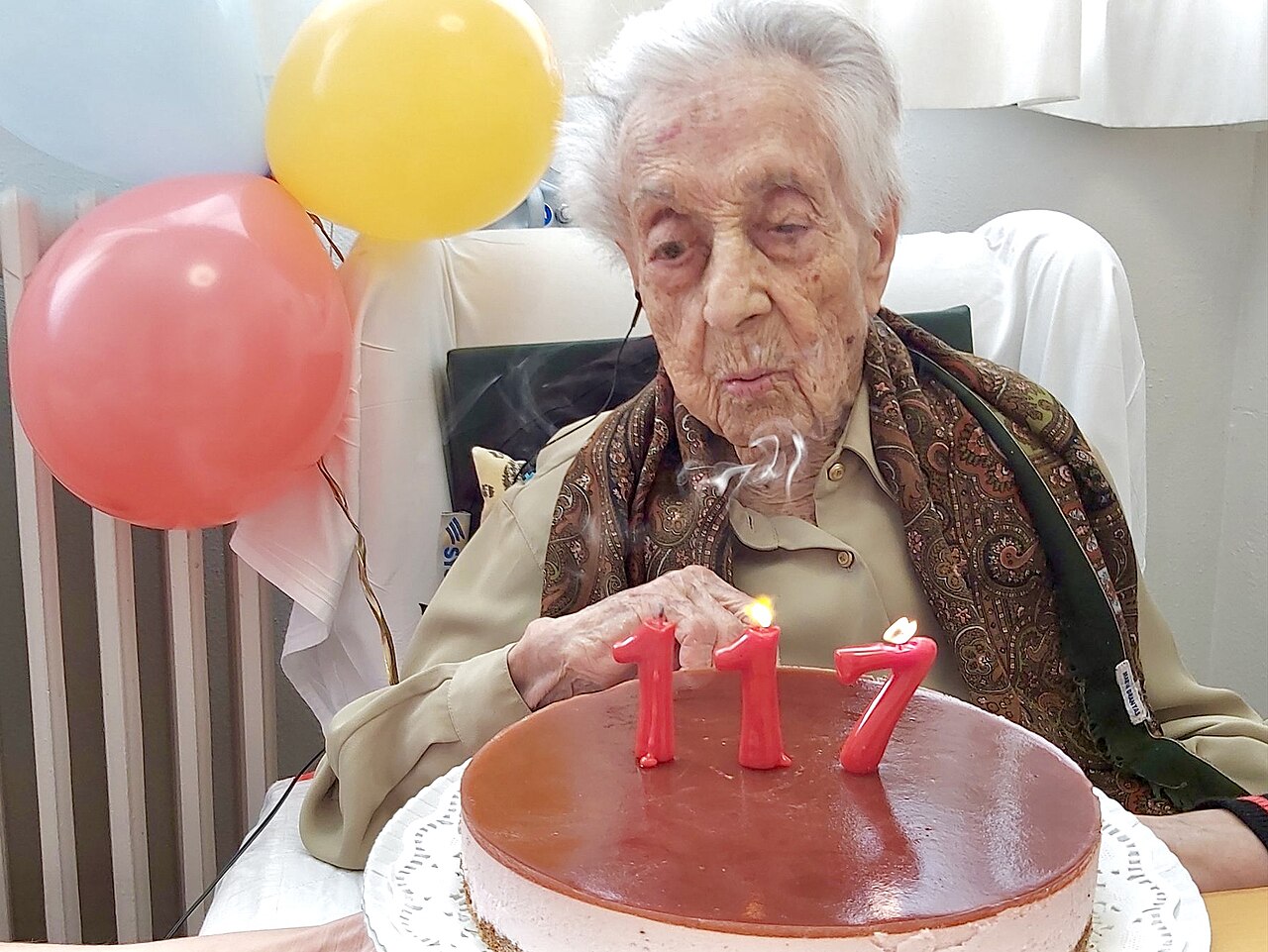
Morera passed away in 2024 at the age of 117, leaving behind not only a remarkable personal history but also a scientific legacy that continues to draw attention.
A Unique Request Before Her Death
Before she died, Morera made a notable request that would shape research into human longevity. She asked that her DNA be studied in the hope that scientists could uncover the reasons behind her exceptional lifespan.
This request led to an in-depth scientific investigation carried out by researchers in Spain. A team from the University of Barcelona and the Josep Carreras Leukaemia Research Institute began analyzing her biological profile.
They collected tissue samples and conducted extensive studies of her genetic material, seeking answers to one of science’s most enduring questions: what allows some individuals to live far longer than others?
Separating Aging From Illness
The research aimed to better understand the relationship between aging and health. In most cases, advancing age is associated with increased illness and physical decline.
However, Morera appeared to challenge that assumption. Her overall condition suggested that aging does not necessarily have to be accompanied by severe health deterioration.
One of the researchers involved in the study emphasized that her case offered a rare opportunity to distinguish between growing older and becoming unwell, highlighting the possibility that these processes are not always directly linked.
Remarkable Biological Findings
The results of the study revealed several striking features of Morera’s biology. Despite being 117 years old, her cells appeared significantly younger when analyzed.
Researchers estimated that her biological age was approximately 10 to 15 years younger than her actual age. This finding placed her in a category of individuals whose bodies age at a slower rate than expected.
Her blood markers also stood out. She had very low levels of harmful cholesterol and triglycerides, while maintaining high levels of beneficial cholesterol, which is associated with better cardiovascular health.
The Role of Lifestyle Habits
In addition to her genetic profile, Morera’s daily habits played a key role in supporting her longevity. She maintained a routine that included regular physical activity and avoided behaviors commonly linked to health risks, such as smoking and alcohol consumption.
Her social life remained active, which is often associated with improved mental and emotional well-being. Staying connected with family and friends contributed to her overall quality of life.
These lifestyle choices complemented her genetic advantages, illustrating how both factors can work together to influence long-term health outcomes.
Dietary Patterns and Daily Routine
Morera’s diet also attracted attention from researchers. She had a particular preference for yogurt, specifically a probiotic variety known for containing beneficial bacteria that may help reduce inflammation.
This daily habit may have contributed to maintaining a balanced gut environment, which is increasingly recognized as an important factor in overall health.
Her mornings often included a nutrient-rich smoothie made from a blend of eight different cereals. This combination provided a steady source of energy and essential nutrients.
Her dietary routine reflected consistency and balance, both of which are commonly associated with long-term health benefits.
Unusual Telomere Characteristics
Another significant aspect of the study focused on telomeres, which are protective structures located at the ends of chromosomes. Telomeres typically shorten as people age, and shorter lengths are often linked to increased risk of disease and mortality.
In Morera’s case, researchers observed that her telomeres were shorter than expected. However, this did not appear to negatively affect her health in the way typically anticipated.
Instead, scientists suggested that her telomere characteristics might have played a protective role, potentially limiting the growth of cancer cells.
This finding challenges conventional assumptions about telomeres and suggests that their role in aging may be more complex than previously understood.
Genetics and Environment Working Together
The study highlighted the importance of both inherited traits and lifestyle choices in determining longevity. Morera’s genetic background provided a strong foundation, but her daily habits reinforced and supported those advantages.
Researchers emphasized that longevity is not determined by a single factor. Instead, it is the result of a combination of genetics and environmental influences.
While individuals cannot choose their genetic makeup, they can influence many aspects of their health through behavior and lifestyle decisions.
This balance between inherited and controllable factors offers valuable insight into how people might improve their chances of living longer, healthier lives.
A Life Marked by Resilience
Morera’s life was not only long but also filled with resilience and adaptability. She lived through periods of global conflict, economic change, and rapid technological advancement.
Her ability to navigate these changes while maintaining her health reflects both physical and emotional strength.
Even in her later years, she remained mentally engaged and connected to the world around her, demonstrating that longevity is not solely about physical survival but also about maintaining a sense of purpose and awareness.
Recovery and Advocacy in Later Years
In March 2020, Morera made headlines once again when she recovered from COVID-19 at an advanced age. At the time, she was the oldest known person to overcome the illness.
Her recovery further demonstrated her resilience and drew attention to the potential strength of her immune system.
She also used her platform to advocate for better treatment of older individuals, emphasizing the need for respect and care for those who have contributed to society over many decades.
Family and Personal Connections
Throughout her life, Morera maintained strong family ties. She had three children, 11 grandchildren, and 13 great-grandchildren.
These relationships provided emotional support and contributed to her sense of stability and happiness.
With the assistance of her daughter, she shared her thoughts and experiences publicly, offering insights into her perspective on life and longevity.
Her Personal Philosophy on Longevity
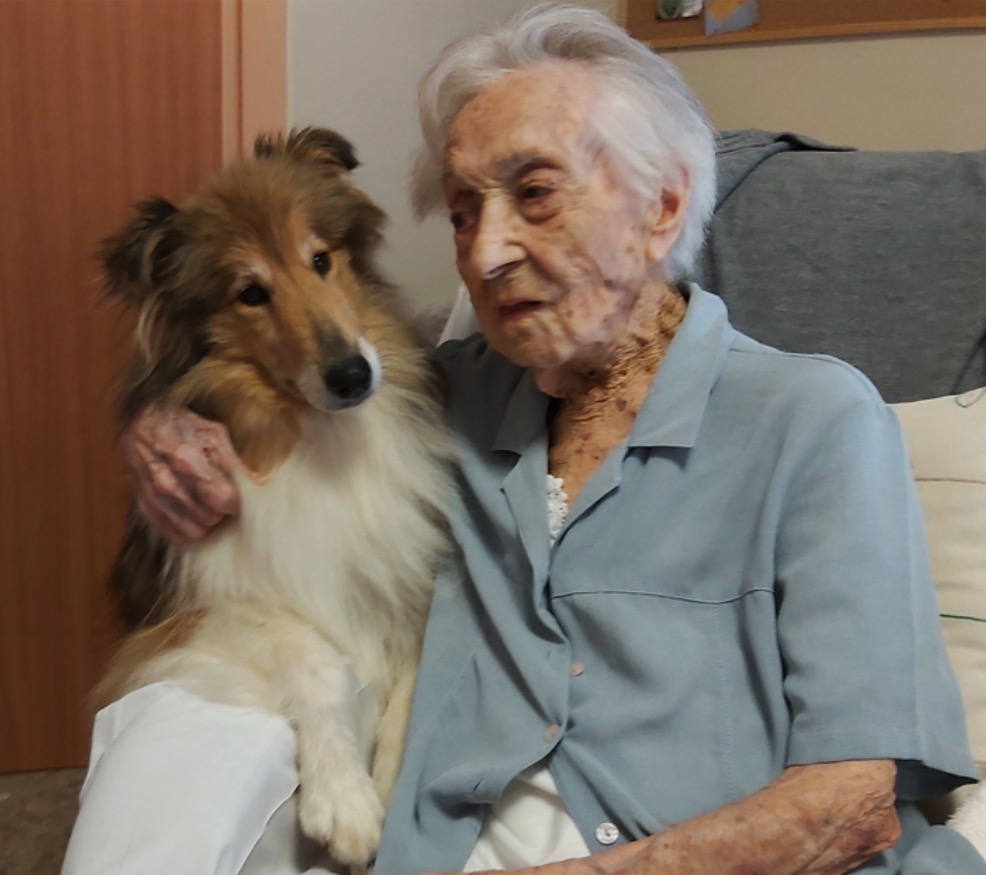
Morera attributed her long life to a combination of personal values and lifestyle choices. She emphasized the importance of maintaining order and tranquility in daily life.
She also highlighted the value of strong connections with family and friends, as well as spending time in nature.
Emotional stability played a key role in her outlook. She believed in avoiding unnecessary stress, letting go of regrets, and maintaining a positive attitude.
Her advice reflected a holistic approach to well-being, focusing on both mental and physical health.
Holding the Title of the World’s Oldest Person
Morera became the world’s oldest living person on January 17, 2023, following the death of Sister André.
She held this title until her passing on August 19, 2024, at the age of 117 years and 168 days.
Her status brought increased attention to her life and the scientific interest surrounding her longevity.
It also underscored the rarity of individuals reaching such an advanced age.
Scientific Implications for the Future
The findings from Morera’s DNA study offer valuable insights for researchers exploring the biology of aging.
Her case suggests that it may be possible to separate the effects of aging from the onset of disease, opening new avenues for medical research.
Scientists hope that understanding the mechanisms behind her longevity could lead to the development of treatments that promote healthier aging.
These advancements could potentially improve quality of life for future generations.
A Legacy Beyond Longevity
Morera’s life represents more than just an example of extreme age. It serves as a reminder that longevity can be accompanied by vitality and engagement.
Her story challenges common perceptions about aging, showing that growing older does not necessarily mean a decline in well-being.
Her legacy continues through both her family and the scientific research inspired by her life.
It also offers a message of hope for those seeking to understand how to live longer, healthier lives.
A Lasting Contribution to Science and Society
The study of her DNA may help unlock answers that have long remained out of reach. By combining genetic analysis with an understanding of lifestyle factors, researchers are gaining a clearer picture of what contributes to exceptional longevity.
Morera’s decision to contribute to science reflects a desire to help others benefit from her experience.
Her life stands as a powerful example of how individual stories can influence broader understanding and progress.
In the end, her journey highlights the potential for both science and human resilience to shape the future of aging.