
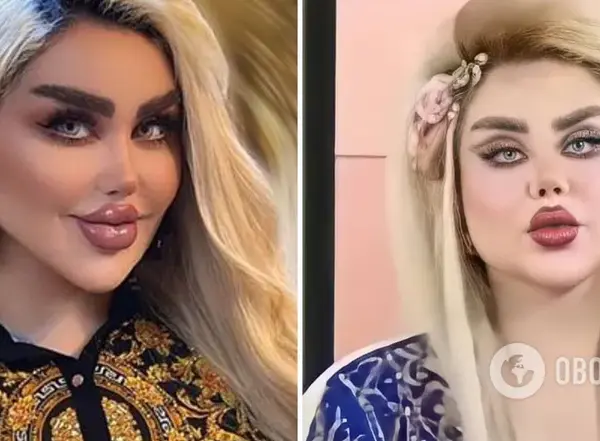
In the modern digital era, the boundary between private choice and public spectacle has grown increasingly thin. A single video, shared widely across social media platforms, can transform an individual’s personal journey into an international discussion within days. This dynamic has been clearly illustrated by the rise to global visibility of Dalia Naeem, a television presenter and actress from Baghdad, Iraq, whose appearance and highly publicized cosmetic transformation have captured widespread attention.
Naeem’s evolving public image has sparked extensive discussion across cultures, touching on themes of beauty standards, personal autonomy, self-expression, and the growing influence of social media in shaping identity. Her story reflects how personal branding and visual presentation now play a central role in modern fame, particularly for figures operating at the intersection of entertainment and digital media.
Widely known online as the “Iraqi Barbie,” Naeem has become one of the most recognizable figures in recent conversations about beauty culture in the Middle East and beyond. Her transformation has been interpreted in many ways, from artistic self-expression to a reflection of globalized beauty ideals, making her a focal point for broader cultural debate.
Background and Early Career
Dalia Naeem is a television host, presenter, actress, and social media personality originally from Baghdad. Before gaining international attention, she established herself within Iraq’s entertainment industry, working in television and appearing in various media productions. Her professional activities included presenting segments, acting roles, and participating in entertainment programming aimed at domestic audiences.
Alongside her traditional media work, Naeem cultivated a strong presence on social media platforms, particularly Instagram. There, she shared content related to fashion, makeup, lifestyle, and her professional life. Over time, her online following grew into the hundreds of thousands, with audiences engaging regularly with her posts and videos.
Her digital content blended aspects of her entertainment career with personal expression. By openly sharing her interests in beauty and style, Naeem positioned herself as both a media professional and a lifestyle figure. This dual identity laid the foundation for her later prominence, as her online presence allowed her image to circulate far beyond regional boundaries.
A Transformation Shared Publicly
The moment that propelled Dalia Naeem into global discussion was her decision to openly document a dramatic physical transformation. Over an extended period, she underwent a series of cosmetic procedures aimed at achieving a highly stylized appearance inspired by the Barbie doll aesthetic.
This look is characterized by pronounced facial features, including large eyes, full lips, sculpted cheekbones, and an overall polished presentation. The aesthetic emphasizes symmetry, bold makeup, and a carefully curated visual style that stands out immediately in photographs and video.
Multiple reputable accounts have stated that Naeem has undergone approximately 43 cosmetic procedures as part of this transformation. These have included breast enlargement, lip fillers, and a range of other surgical and non-surgical enhancements. The cumulative result is an appearance that many viewers have described as doll-like and highly theatrical.
In one widely circulated video, Naeem appears alongside her makeup artist, who praises her appearance by saying, “You look so beautiful, my dear. Just like Barbie.” Naeem responds playfully, reinforcing that the look is intentional and stylized rather than incidental.
The video spread rapidly across social media platforms, reaching audiences far beyond Iraq and the Middle East. What might otherwise have remained a personal aesthetic journey became a viral moment, attracting attention from viewers across continents.
The Emergence of the “Iraqi Barbie”
As clips and images of Naeem’s transformation circulated online, users began referring to her as the “Iraqi Barbie.” The nickname quickly gained traction, fueled by the strong visual association between her appearance and the globally recognized doll.
Barbie, as a cultural symbol, has long represented a specific set of beauty ideals associated with glamour, fashion, and aspiration. The comparison resonated with international audiences because of Barbie’s widespread recognition across cultures.
For some viewers, the nickname was seen as lighthearted or descriptive, reflecting Naeem’s embrace of a highly stylized aesthetic. Others viewed it as more complex, raising questions about the implications of comparing human appearance to an idealized, manufactured image.
Regardless of interpretation, the label played a significant role in amplifying Naeem’s visibility. The phrase “Iraqi Barbie” crossed linguistic and cultural barriers, helping her story gain momentum in global media spaces.
Public Response and Ongoing Debate
The global reaction to Dalia Naeem’s transformation has been varied and often intense. Responses have ranged from admiration and support to concern and criticism, mirroring broader societal debates about beauty, autonomy, and representation.
Supporters have praised Naeem’s confidence and willingness to embrace a distinctive personal vision. Many view her transformation as a form of artistic expression and self-definition, emphasizing that individuals should have the freedom to shape their appearance according to their own preferences. Within this perspective, her visibility is framed as an example of personal empowerment and authenticity.
Others have expressed reservations, focusing on the physical and psychological implications of undergoing numerous cosmetic procedures. These viewpoints often emphasize concerns about health, long-term effects, and the potential influence of highly idealized beauty standards, particularly on younger audiences.
Some commentary has also addressed cultural context. Attitudes toward cosmetic surgery and appearance modification vary widely across societies, and in more conservative environments, extensive cosmetic enhancement can be controversial. Naeem’s openness about her transformation challenged traditional expectations in certain contexts, adding another layer to public discussion.
Across these differing responses, one consistent theme has emerged: modern beauty standards are deeply intertwined with media exposure, cultural narratives, and technological platforms. Naeem’s experience became a reference point for examining how these forces interact.
The Role of Social Media
Social media platforms played a central role in elevating Dalia Naeem’s personal transformation into a global phenomenon. Applications such as Instagram and TikTok allow individuals to share visual narratives instantly, reaching audiences that were once accessible only through traditional media outlets.
For public figures, these platforms offer both opportunity and exposure. They enable self-curation and creative expression, while also inviting scrutiny from viewers with diverse cultural backgrounds and values.
Naeem’s content, including transformation videos, makeup sessions, and lifestyle posts, circulated rapidly across networks. The algorithmic nature of social media amplified engagement, pushing her image into feeds worldwide and encouraging commentary, reinterpretation, and debate.
Her experience demonstrates how digital identity can evolve quickly once content resonates beyond its original audience. Aesthetic choices that may feel personal or localized can take on broader cultural meaning when shared globally.
Broader Cultural Considerations
Several larger trends help explain why Dalia Naeem’s story generated such widespread interest.
First, beauty standards have become increasingly globalized. International media, entertainment, and advertising have contributed to the spread of certain visual ideals, making symbols like Barbie instantly recognizable across regions.
Second, cosmetic procedures have become more accessible and visible. Advances in medical technology, combined with influencer culture, have normalized aesthetic enhancement in many parts of the world. The boundary between medical practice and lifestyle choice has become less distinct in public perception.
Third, self-branding has become a defining aspect of public life for entertainers and influencers. Appearance, image consistency, and visual storytelling often play a central role in how audiences engage with content. In this context, Naeem’s transformation became inseparable from her public identity.
Finally, cross-cultural reactions highlight the diversity of values surrounding beauty and self-expression. The varied responses to Naeem’s appearance reflect differences in tradition, social norms, and media consumption.
Personal Choice and Public Visibility
At its core, Dalia Naeem’s story centers on personal choice. She openly embraced transformation as a form of identity exploration and creative expression. By sharing her journey publicly, she placed her decisions within a global conversation that extended far beyond her original intent.
Her experience illustrates the complex relationship between individual autonomy and public interpretation. Choices related to appearance, while deeply personal, can take on broader significance once they are shared widely.
Medical professionals consistently emphasize the importance of informed decision-making when it comes to cosmetic procedures, noting both potential benefits and risks. Public figures who share their experiences contribute to wider awareness of these considerations, even as reactions vary.
A Reflection of the Digital Age
Dalia Naeem’s rise to international attention highlights key dynamics of contemporary culture. Beauty ideals are shaped by media and symbolism, social platforms amplify personal narratives, and public reactions often reflect larger societal debates rather than isolated opinions.
Her story demonstrates how identity, appearance, and digital visibility intersect in powerful ways. Whether viewed as bold self-expression or as part of broader cultural pressures, her journey offers insight into how modern individuals navigate self-image in a globally connected world.
As personal stories continue to unfold on digital platforms, experiences like Naeem’s underscore the enduring impact of beauty, identity, and choice in shaping public conversation.