
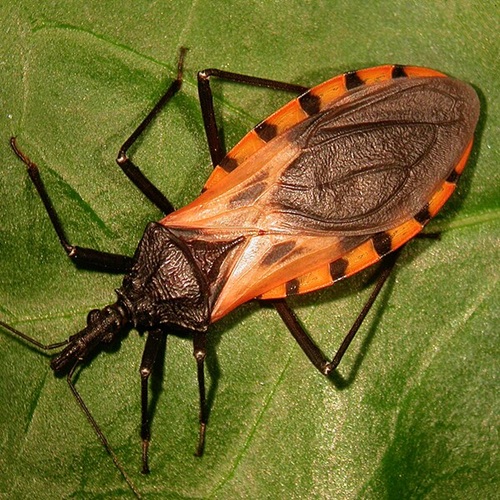
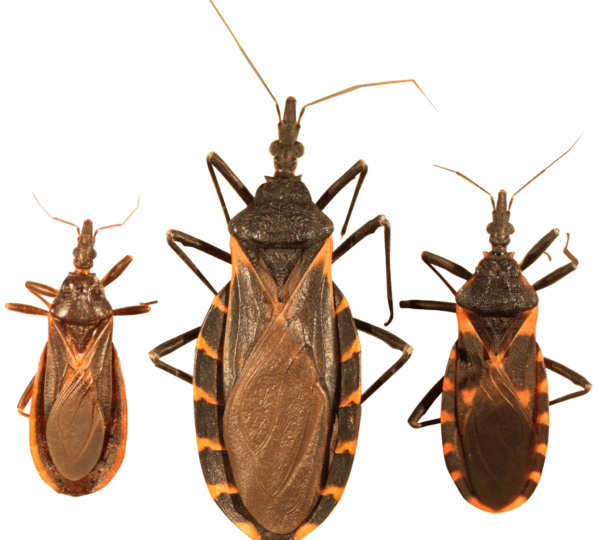
Chagas disease, often called a “silent and silenced illness,” continues to affect millions globally, claiming approximately 12,000 lives each year. Though first discovered in 1909 by Brazilian doctor Carlos Chagas, the disease remains largely unknown outside Latin America, leaving countless individuals unaware of the danger lurking in their own homes. Transmitted by nocturnal triatomine bugs, commonly referred to as kissing or vampire bugs, Chagas disease can go unnoticed for years, quietly damaging the heart and digestive system, and sometimes resulting in sudden death, as Emiliana Rodríguez witnessed in her childhood in Bolivia.
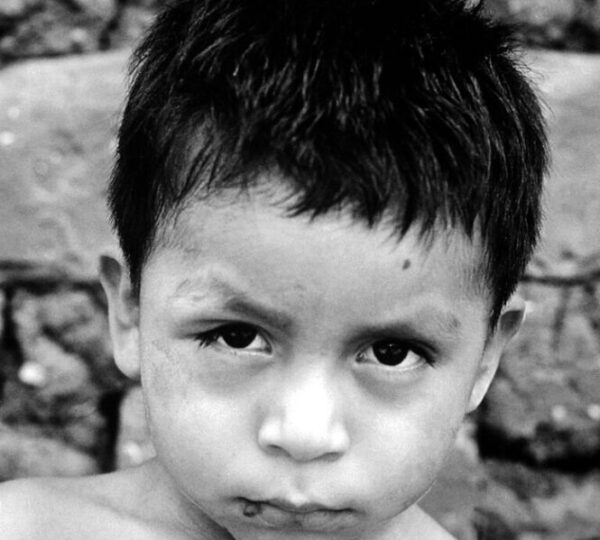
Rodríguez’s story illustrates the fear and uncertainty faced by those infected. Now living in Barcelona, she discovered eight years ago that she carries the disease while expecting her first child. The memories of her childhood friend’s sudden death from Chagas resurfaced, and she feared for her unborn daughter. Thankfully, early treatment prevented transmission, and her baby was born free of the parasite. Similarly, in Mexico, Elvira Idalia Hernández Cuevas learned of the disease only when her 18-year-old daughter tested positive. Their struggle to find informed medical care highlights the lack of awareness and training among health professionals in affected regions.
Globally, an estimated 6 to 7 million people live with Chagas disease, yet only about 10% receive a proper diagnosis. Often asymptomatic for decades, the disease can progress silently, leading to life-threatening complications later in life. The parasite Trypanosoma cruzi spreads through the bite and subsequent defecation of infected kissing bugs, entering the body via skin or mucous membranes. The disease can also be transmitted from mother to child during pregnancy, through blood transfusions, and via organ transplants, expanding its reach beyond endemic areas.
Despite being identified over a century ago, treatments for Chagas remain limited. Benznidazole and nifurtimox, the only widely used drugs, have been in use for more than 50 years. While effective for newborns and early-stage infections, in adults these treatments only slow disease progression and often come with severe side effects, including nausea, dizziness, and allergic reactions. Pharmaceutical companies have little incentive to develop new therapies due to the limited commercial market, leaving millions reliant on outdated medications.
Advocacy and awareness efforts have become crucial. Hernández, president of the International Federation of Associations of People Affected by Chagas Disease (FINDECHAGAS), and Rodríguez, in collaboration with the Barcelona Institute for Global Health, are working to break the silence around the disease. They emphasize early testing, treatment, and public education to prevent further loss of life. Global initiatives, such as the World Health Organization’s declaration of April 14 as World Chagas Disease Day, aim to raise awareness and galvanize action, yet experts caution that the 2030 elimination targets are unlikely to be met without a significant increase in resources and political commitment.
Preventing Chagas disease also requires practical steps at home. The CDC advises sealing gaps in floors, walls, and ceilings, maintaining clean surroundings, repairing screens, keeping pets indoors, and safely handling any kissing bugs encountered. These measures can dramatically reduce the risk of infection, particularly in endemic regions.
Chagas disease is not just a medical issue—it’s a social and public health challenge. It disproportionately affects low-income and rural communities, where housing conditions increase exposure to kissing bugs, and access to healthcare is limited. The combination of biological invisibility, social neglect, and global migration means that Chagas is no longer confined to Latin America; cases now appear in Europe, the United States, Asia, and Oceania.
Stories like Emiliana Rodríguez’s and Elvira Hernández’s put a human face on this silent epidemic, highlighting both the terror of the unknown and the resilience of those affected. Their experiences underscore the urgent need for awareness, better diagnostics, safer treatments, and global solidarity in addressing a disease that has claimed millions silently.
Chagas disease may be a silent killer, but through education, early intervention, and advocacy, its victims can be identified, treated, and protected. Breaking the silence could save countless lives, transforming what was once an invisible threat into a preventable tragedy.