
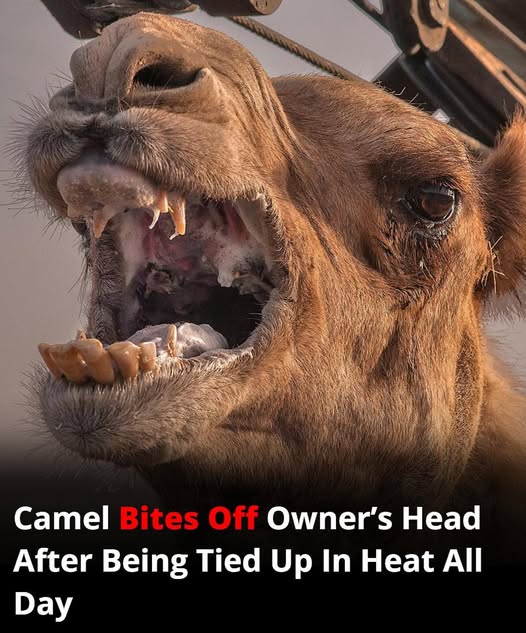
A tragic incident involving a neglected camel in India’s Thar Desert has continued to resonate years later as a stark warning about the consequences of extreme heat, animal neglect, and the responsibilities inherent in livestock ownership. The event, which occurred in 2016 in Rajasthan’s Barmer district, resulted in the death of a camel owner after the animal was left tied for hours in scorching temperatures, ultimately reacting with fatal force.
The Barmer district lies within one of the harshest environments on the subcontinent. Daily life in this region is shaped by arid landscapes, scarce water resources, and an unforgiving sun. Livestock, particularly camels, are central to survival, serving as vital partners in transport, agriculture, and daily labor. Residents are deeply familiar with desert conditions, yet the heat on the day of the incident exceeded even local norms. Temperatures climbed beyond 109°F (43°C), creating conditions that posed serious danger to both humans and animals.
In such extreme heat, access to shade and water becomes essential. Without relief from direct sunlight, even animals renowned for desert endurance face significant physiological stress. On this day, one camel remained tethered outdoors for several hours, fully exposed to the sun, unable to move freely or seek shelter. The prolonged restraint prevented the animal from responding naturally to rising temperatures, setting the stage for a catastrophic outcome.
A Fatal Oversight
The camel belonged to a local villager named Urjaram. During the hottest part of the day, Urjaram was occupied with hosting guests at his home. As the hours passed, attention shifted away from the animal outside. What began as a lapse in routine care gradually escalated into a life-threatening situation.
People nearby later described visible signs of distress in the camel long before the incident turned deadly. The animal paced repeatedly, strained against its restraints, and made loud vocalizations. These behaviors are widely recognized by veterinarians as indicators of severe heat stress and dehydration. When such distress is compounded by physical restraint, the psychological pressure on a large animal can intensify rapidly.
Camels are often perceived as stoic and patient, but they are also highly sensitive to environmental conditions. When exposed to prolonged heat without water or shade, their bodies struggle to regulate temperature. As dehydration worsens, agitation and panic can set in, particularly when the animal is unable to escape the source of discomfort.
The Breaking Point
By the time Urjaram returned to untie the camel, the situation had already reached a critical stage. Witnesses recalled that the animal’s behavior had become erratic and unpredictable. As Urjaram approached the ropes, the camel reacted suddenly and violently.
The attack unfolded with shocking speed. Those nearby were unable to intervene as the powerful animal turned on its owner. The camel, often referred to as the “Ship of the Desert” for its reliability and calm demeanor, responded instinctively to what it perceived as an immediate threat after hours of suffering.
The incident left the local community in shock. Camels hold a respected place in Rajasthani culture, valued not only for their strength but also for their intelligence and loyalty. The attack was not viewed as random aggression but as a devastating breakdown of the trust that typically defines the human–camel relationship.
After the attack, the camel remained highly agitated. Subduing the animal required an extraordinary effort. Approximately 25 men worked together for nearly six hours, using ropes and even a vehicle to restrain it safely. The prolonged struggle underscored the immense strength of the animal and the level of distress it was experiencing.
Understanding the “Sensitive Giant”
In the aftermath, discussion spread throughout the region and across the country about the treatment of working animals. Some locals suggested there may have been ongoing tension between the owner and the camel prior to the incident, though such claims were never formally verified. Regardless, the tragedy reignited debate over animal welfare, particularly in extreme climates.
Animal behavior specialists emphasize that camels, despite their reputation for endurance, are not immune to suffering. They are capable of experiencing fear, frustration, and panic. When exposed to unbearable environmental stress while restrained, their responses can become unpredictable and dangerous.
The Barmer incident highlighted a critical reality: endurance does not equate to invulnerability. Camels are biologically adapted to desert life, but adaptation has limits. When those limits are exceeded, survival instincts can override years of domestication.
The Power Behind the Calm Exterior
Outside desert communities, the physical capabilities of camels are often underestimated. Adult camels can weigh between 1,300 and 2,200 pounds, with muscular builds designed for both endurance and defense. Their long necks house powerful muscles that enable forceful biting, while their jaws, evolved to chew tough desert vegetation, can inflict severe injuries.
In addition to biting, camels possess formidable legs capable of striking forward, backward, and sideways. When threatened or cornered, they can deliver devastating blows. This combination of size, strength, and reach makes an agitated camel extremely dangerous to humans.
Experts note that a fully grown camel has sufficient strength to seriously injure or kill a person if it perceives its life to be in danger. These risks are magnified when animals are subjected to mistreatment, neglect, or extreme environmental stress.
A Global Pattern of Stress-Induced Attacks
While camel attacks on humans remain rare, similar incidents around the world reveal a consistent pattern. Fatal encounters almost always follow prolonged stress, physical abuse, or sudden provocation.
In 2023, a case in Siberia involved a Bactrian camel fatally attacking its owner after being struck in the face. Witnesses described the animal as calm until the moment of physical aggression, after which it responded with overwhelming force.
In 2022, a camel escaped from a petting zoo in Tennessee. When two men attempted to recapture it, the animal cornered them, resulting in fatal injuries. The camel remained so agitated that it attempted to charge responding officers.
In Mexico, an experienced wildlife sanctuary owner was killed after a camel knocked him to the ground and bit him. Despite years of professional handling experience, the victim was unable to control the animal once it entered a state of extreme agitation.
These cases underscore a common conclusion among experts: such attacks are not acts of malice but instinctive responses to fear, pain, or perceived threats.
Welfare as a Safety Measure
Animal behaviorists stress that humane treatment is not solely an ethical concern; it is also a matter of human safety. Camels are highly sensitive to heat, dehydration, and restraint. When these stressors combine, even typically docile animals may react defensively.
In Rajasthan, the 2016 Barmer tragedy became a catalyst for renewed discussion about livestock care in extreme climates. Owners were urged to recognize early signs of heatstroke, including restlessness, excessive vocalization, rapid breathing, and refusal to eat or drink.
Ignoring these warning signs can lead to irreversible consequences. When basic needs such as shade, water, and rest are neglected, the risk of both animal suffering and human injury increases dramatically.
Lessons That Endure
Years later, the Barmer incident continues to serve as a reference point for activists, veterinarians, and livestock owners. It raises difficult but necessary questions for communities that depend on animals for survival:
How much environmental stress can a working animal endure before its survival instincts override training and familiarity with humans?
Are rural areas adequately equipped with education and resources to identify and respond to heat-related distress in livestock?
What level of accountability should owners bear to ensure animal welfare as a means of preventing human tragedy?
These questions have gained urgency as climate conditions grow increasingly extreme, making heat-related risks more common across many regions.
Moving Forward With Responsibility
Despite the severity of these incidents, experts caution against viewing camels as inherently dangerous. Millions of camels work peacefully alongside humans every day, maintaining their reputation as intelligent, loyal, and reliable companions.
The common thread in every fatal attack is not the animal itself, but a failure of care. Extreme heat, dehydration, confinement, and physical mistreatment create conditions that push animals beyond their limits.
The Barmer tragedy stands as a sobering reminder that animals experience suffering intensely. When their endurance is exploited rather than respected, the outcome is often a predictable response to an unbearable situation.
Ultimately, the lesson is clear: compassion and responsibility are essential foundations of the human–animal bond. When animals are treated with care, understanding, and respect for their limits, tragedies can be avoided. When those limits are ignored, even the most patient “Ship of the Desert” may be driven to fight back.