
Extreme Thinness, Body Transformation, and Holistic Health
The Impact of Social Media on Body Perception
Body transformation and perceptions of thinness have long been sensitive topics, but the rise of social media has intensified public scrutiny. Images of extremely thin bodies are now widely circulated, directly influencing how individuals view themselves and their overall health. These portrayals often provoke mixed reactions, ranging from concern to admiration, which can create confusion about what constitutes a healthy and functional body.
Extreme thinness is rarely a reflection of a balanced lifestyle. In many cases, it indicates serious underlying conditions, such as eating disorders, which require professional intervention, careful monitoring, and structured treatment to address both physical and psychological needs.
Understanding Eating Disorders and Physical Consequences
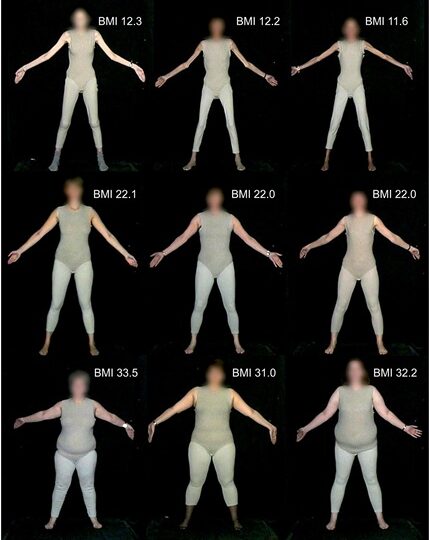
Eating disorders, including anorexia nervosa, involve severe restriction of food intake, intense fear of weight gain, and distorted body perception. Over time, these behaviors can lead to significant physical and mental health consequences. The body relies on consistent energy and essential nutrients to function properly, and prolonged deficiencies can disrupt cardiovascular, hormonal, digestive, and other vital systems.
One of the most noticeable effects of extreme thinness is the loss of muscle mass, which weakens physical strength and reduces the body’s ability to perform daily activities safely. Low body fat levels can also interfere with hormone production, causing menstrual irregularities in women and metabolic complications in both sexes. Mental health is deeply affected as well, with anxiety, depression, and social isolation frequently complicating recovery and overall well-being.
Adolescence, Social Pressure, and Unrealistic Standards
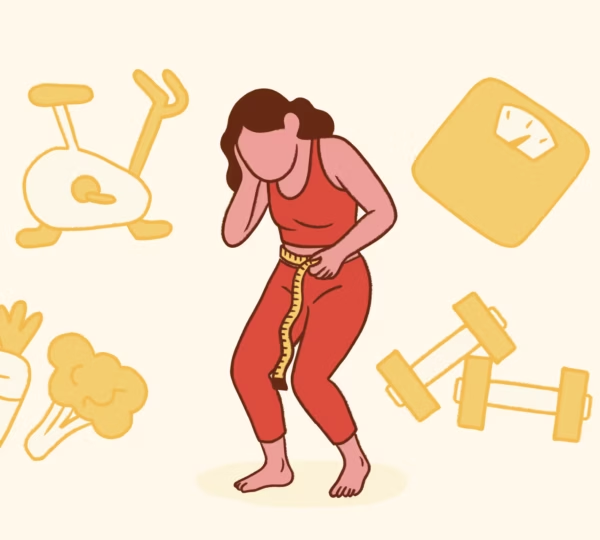
Pressure to achieve certain beauty standards often begins in adolescence. Young people are exposed to idealized body images that rarely reflect the reality of most individuals. Social media amplifies this effect, presenting filtered and edited content that creates an artificial standard of appearance. Comparisons to these unrealistic portrayals can negatively impact self-esteem and body image, fostering feelings of inadequacy and pressure to conform to unsafe ideals.
Defining Health Beyond Weight
Health is not determined solely by body weight but by a combination of factors including nutrition, physical activity, and mental wellness. Experts emphasize balanced eating, ensuring a variety of foods supply essential vitamins, minerals, and adequate energy for optimal body function and development. Physical activity should be moderate and tailored to individual needs, avoiding extreme routines that may harm rather than enhance strength, endurance, or overall health.
Adequate sleep is essential, supporting recovery, cognitive function, hormone regulation, and normal physiological processes. Social support also plays a crucial role, as encouragement and acceptance from family, friends, or peers can improve coping mechanisms and resilience against body image pressures. Education about nutrition, exercise, and mental health should begin early to help young people cultivate a healthy relationship with their bodies and a realistic understanding of physical diversity.
Promoting Body Diversity and Acceptance
Awareness campaigns and social initiatives have emerged to challenge narrow beauty standards, promoting body diversity and self-acceptance. Changing societal perceptions is a gradual process that requires effort from individuals, educators, policymakers, and media outlets. Highlighting a range of healthy body types helps reduce unrealistic expectations and fosters more positive attitudes toward personal health.

Evaluating Body Transformations Safely
Extreme body transformations are often presented as success stories, but careful assessment is necessary to determine whether changes are genuinely healthy or potentially harmful. Rapid weight loss or dramatic alterations may signal underlying health risks, highlighting the need for professional consultation and medical oversight.
Healthcare professionals recommend consulting doctors, dietitians, or certified nutritionists before undertaking significant lifestyle changes. Regular medical check-ups, blood tests, and health assessments help detect early warning signs, prevent complications, and provide accurate understanding of one’s overall health status. A sustainable approach prioritizes gradual, realistic changes, avoiding extreme diets or fitness regimens that promise rapid but unsafe results.
Integrating Physical, Mental, and Emotional Wellness
Well-being should incorporate physical, emotional, and psychological health. Prioritizing energy levels, mood stability, and overall quality of life is just as important as physical appearance. Persistent fatigue, weakness, or unusual health issues require immediate professional attention to prevent worsening conditions and ensure timely intervention.
Media influence plays a critical role in shaping societal perceptions of the body. Promoting balanced and realistic representations can reduce social pressure, enhance self-confidence, and support body positivity. Individuals are encouraged to develop critical thinking skills regarding media content, questioning images and messages rather than accepting them as absolute standards. Awareness of filters, editing, and manipulation fosters healthier perspectives and appreciation for one’s own body.
Fostering a Holistic Approach to Health
Health is not a competition, and each individual’s journey should reflect personal needs and biological individuality. Extreme thinness should not be glamorized, as it can carry serious physical and mental consequences. A healthy body functions efficiently, provides energy for daily life, and supports engagement in work, recreation, and social activities without compromising well-being.
Promoting holistic wellness prioritizes self-care, informed decisions, and mental resilience over societal ideals of perfection. This approach helps cultivate a healthier society in which individuals feel accepted and empowered to care for their bodies without judgment or stigma. Discussions about body transformation serve as educational opportunities, encouraging informed choices and fostering healthier relationships with nutrition, fitness, and mental well-being across all age groups.
Conclusion: Prioritizing Function and Resilience
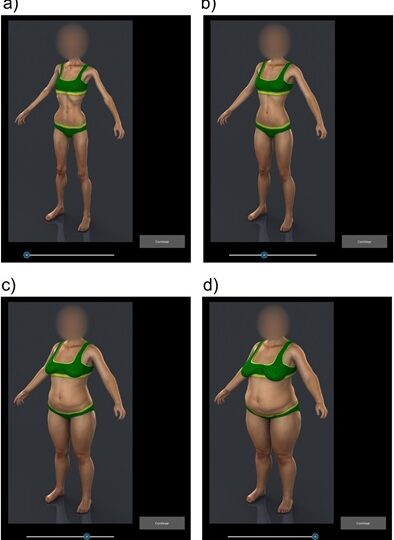
Every body is unique and requires personalized care to maintain optimal health, mental clarity, and long-term resilience. Recognizing that physical appearance does not equate to overall health is essential for fostering sustainable wellness. Emphasizing function, energy, and adaptability over superficial ideals allows individuals to build confidence, maintain vitality, and navigate life’s demands safely and effectively.
Ultimately, responsible awareness of extreme thinness and body transformations promotes education, prevention, and support. By focusing on holistic health rather than aesthetic standards, individuals can achieve balance, sustain well-being, and develop a respectful, informed relationship with their bodies.